Holcim Elevate
Holcim Elevate Roofing Systems in Hoover, AL
Your roof paperwork may say Firestone. The maker now goes by Holcim Elevate. Same maker, new name on the door. That matters when you look for a warranty, a spec sheet or a repair detail. An owner on US 31 or in Riverchase may hold folders from years ago with the old name on every page. The roof under them is real, and so are the terms in the file. We start there. Then we walk the roof and match it to what the paper says. It saves a call or two, and often a repair.
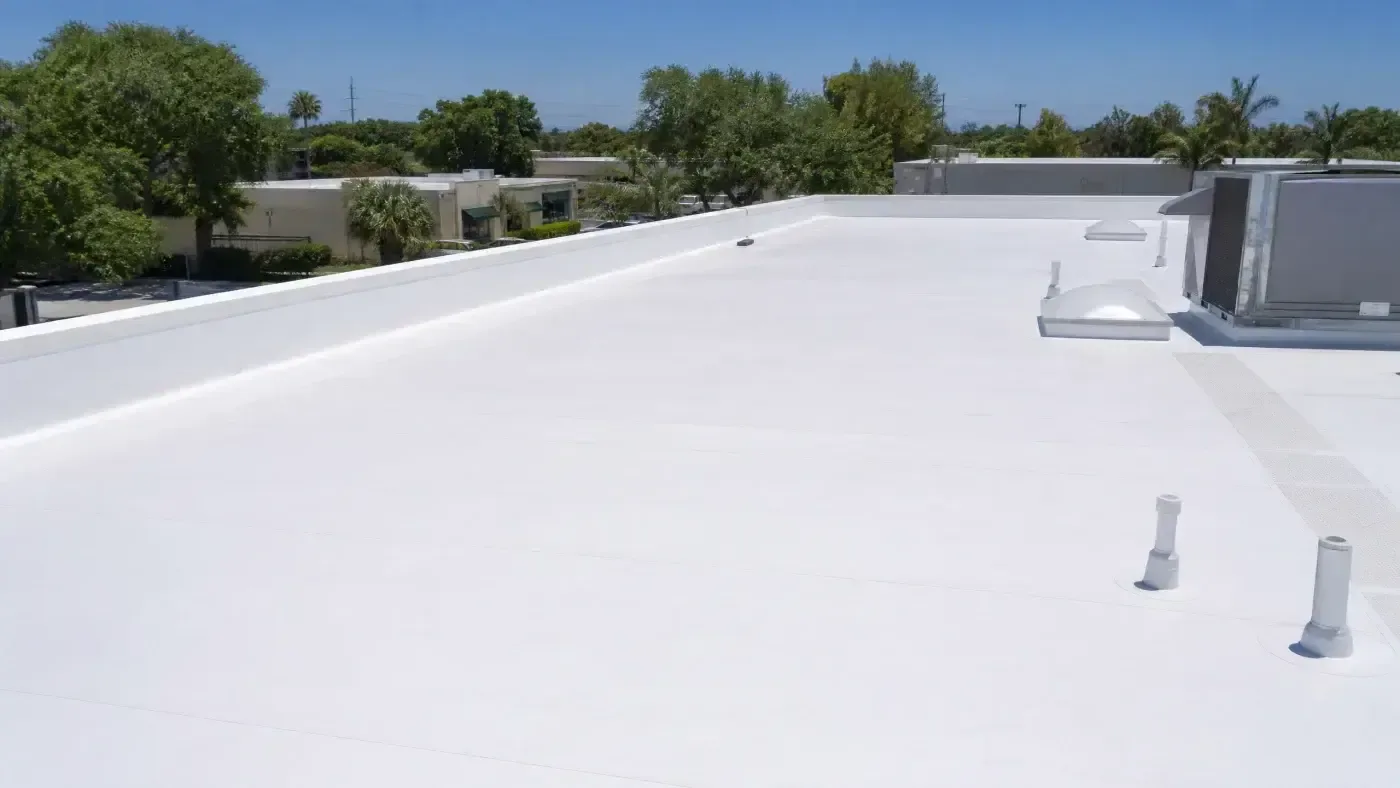
The name change: where to look for records
Holcim Elevate is the current name of the business formerly known as Firestone Building Products. Roofs installed under the old name still carry the old name on warranties, closeout letters and product labels.
Check these places:
- The closeout binder from the original install.
- A warranty certificate, often in the owner's or the property manager's files.
- Labels on membrane rolls or on edge metal, if any remain.
- The permit file at the city.
If you find nothing, we read the roof. Seams, sheet type and flashing details show the system. We write what we find into a new file, and you ask the maker to confirm status in writing. Do not assume a warranty is gone. Do not assume it is still good either.
Systems: sheet, insulation and metal
The maker covers more than membranes. Its commercial range includes single-ply sheets such as EPDM, TPO and PVC, roof insulation boards and metal edge and wall products. A roof can combine them, with one maker's sheet over another's board.
For repairs, the sheet type decides everything. Rubber sheets use primed splices or tape. TPO and PVC use hot-air welds. Insulation boards are replaced board by board where wet. Metal edge pieces are re-fastened or swapped. We record each on the plan with a number. The same EPDM, TPO and PVC rules apply no matter who made the sheet. A sheet from Carlisle SynTec or Versico is repaired the same way when it is the same type.
Heat and humidity: the long wear
Expect about 65 days a year at or above 90 degrees. Humidity sits near 70 percent, and rain totals about 56 inches a year. A dark rubber sheet gets very hot in July. It then cools fast in a thunderstorm. That swing works on seams and flashings every week of summer.
Signs to watch:
- Shrinkage at walls and curbs, with the sheet pulling away.
- Cracked sealant at counterflashing.
- Splits at pipe boots.
- Ponding lines that stay after rain.
Each sign is a small repair now. Each is a leak later. We give you a price for now and a price for later, on one page.
Repairs: matching the sheet and the date
An older rubber sheet cannot always take a new splice. Aged rubber loses the surface that adhesives need. A test splice shows whether a repair will hold. If it fails, we say so before spending your money.
Newer sheets take fresh repairs well. We follow the sheet's own details: primer, pressure, cure time. After repairs, we probe each seam. We photograph the work and add it to the file. Ponding calls for a look at drains and ponding water repair options, and open flashings at walls call for flashing failure repair. Both are common on sheet roofs of this age.
Insulation and metal: the parts people forget
Owners think about the sheet. The boards and the metal decide as much. Boards hold the heat in or out. Metal edges hold the sheet down at the corners. A loose edge is how a storm starts to take a roof.
On the first walk we check both. For boards, we scan and cut cores where the scan shows heat. For metal, we press every run and look at fasteners, joints and sealant. We list what we find:
- Wet or crushed boards, with a map and a count.
- Loose, bowed or open edge metal, run by run.
- Missing or backed-out fasteners at corners.
- Gaps at coping joints and wall caps.
Edge repairs are small and cheap compared with a lifted sheet. They are the first thing to fix before spring. Boards cost more to replace. We tell you how many square feet are wet, and we price them as their own line, so the choice between a patch and a section is easy to see.
More on Holcim Elevate
Records and sale: what a buyer will ask for
A buyer or a lender wants the roof file. They ask three things. How old is the roof? What has been repaired? Is there a warranty that transfers? A file with the old Firestone name on one page and a new repair log on the next is fine, if the pages connect.
We connect them. The new file lists the system and its maker's current name, the repair log by plan number and the photos by date. Where a warranty exists, we copy its transfer rules onto one page: notice, fee, inspection and deadline. A missed deadline can lose coverage, so we put the date on the calendar. Owners with several buildings can keep one format for all of them, so a sale or a refinance never starts with a hunt for papers.
Storm season: when to schedule what
Storm season starts in March. Tornadoes struck the metro in 1977, 1998 and 2011, and Dixie Alley storms come back each spring and each November. Gulf tropical systems add occasional storm-force winds.
So the schedule is simple. Walk the roof in February. Fix open seams and flashings before March. Keep spring work in small sections. Check again after any big storm. In Homewood, where historic review can affect roof work, we also check approvals early, since a review can add weeks. Put the review date on the calendar, not in the memory.
Commercial Roofing Questions
Is a roof with Firestone paperwork the same as a Holcim Elevate roof?
Yes. Holcim Elevate is the current name of the business formerly known as Firestone Building Products. Roofs installed under the old name carry the old name on certificates and labels. Keep that paperwork. We match it to the roof and ask the maker to confirm warranty status in writing. Call for a storm walk and we will mark the system on the plan.
What if I cannot find a warranty?
We read the roof and write a condition file: system, age, layers, seams, flashings and moisture. You can then ask the maker for any record it holds. A good file has value even without a warranty, because lenders and buyers read it. It also tells us where the next repair belongs.
Can aged rubber take a new splice?
Sometimes not. Aged rubber loses the surface adhesives need. We run a test splice first. If it holds, we proceed. If not, we recommend a cover strip or a section replacement, and we price both. You pick by budget year.
How do you tell wet insulation from dry?
Infrared scans show temperature patterns after sunset. Core cuts confirm. Wet board is dark, heavy and crumbly. We map the wet area on the plan and price removal and replacement. Dry sections stay in place.
When is the best time to fix open seams?
Before March. Spring storms find open seams quickly, and rain delays push work later. A February walk and a March repair is a good rhythm. Fall is a second window before November storms.
Does historic review affect roof work?
It can in some neighborhoods. In Homewood, the 815-acre Hollywood Historic District holds 412 contributing buildings, and review can affect roof work. We check the approvals early, because a review can slow a start date.
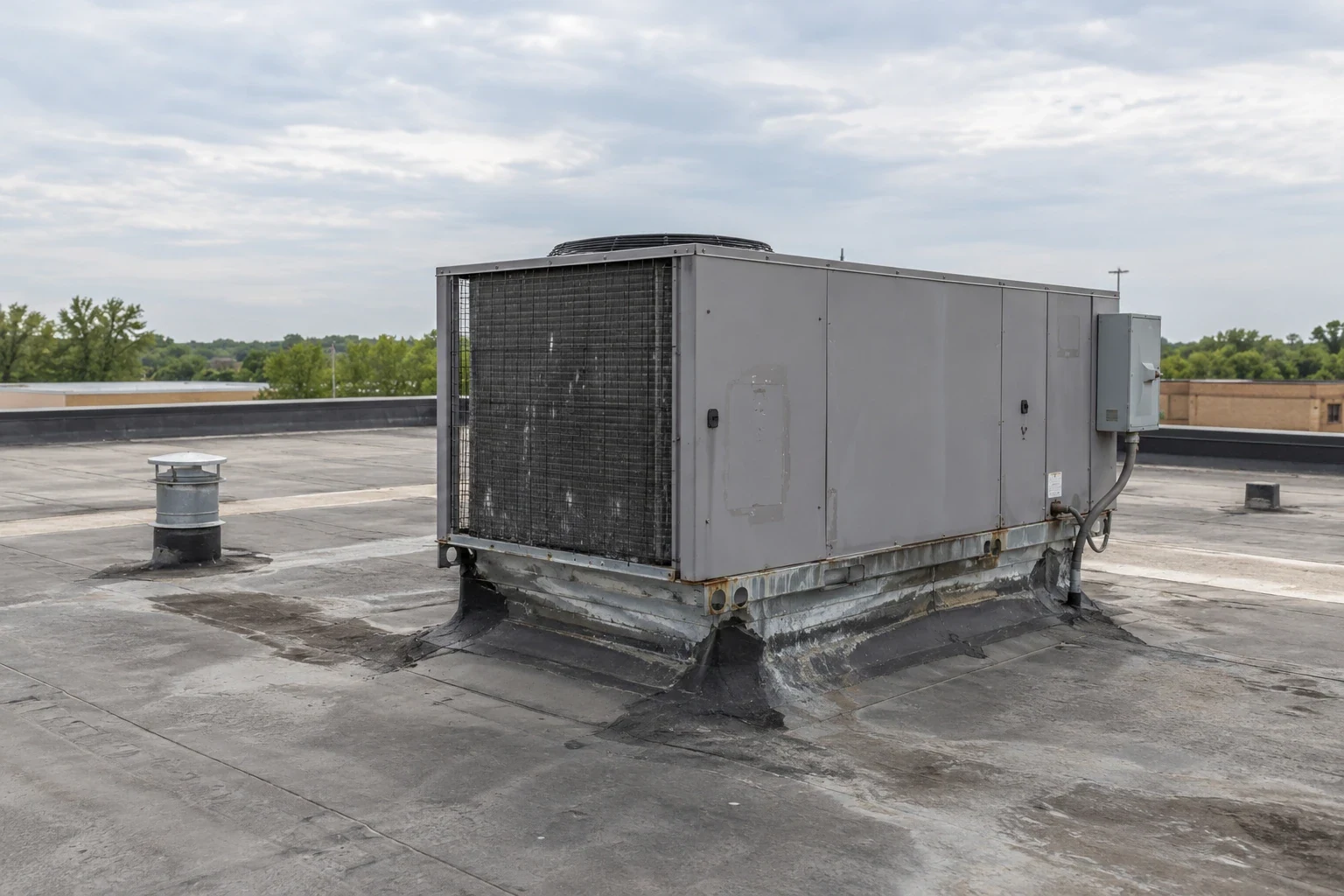
Related Roofing Work
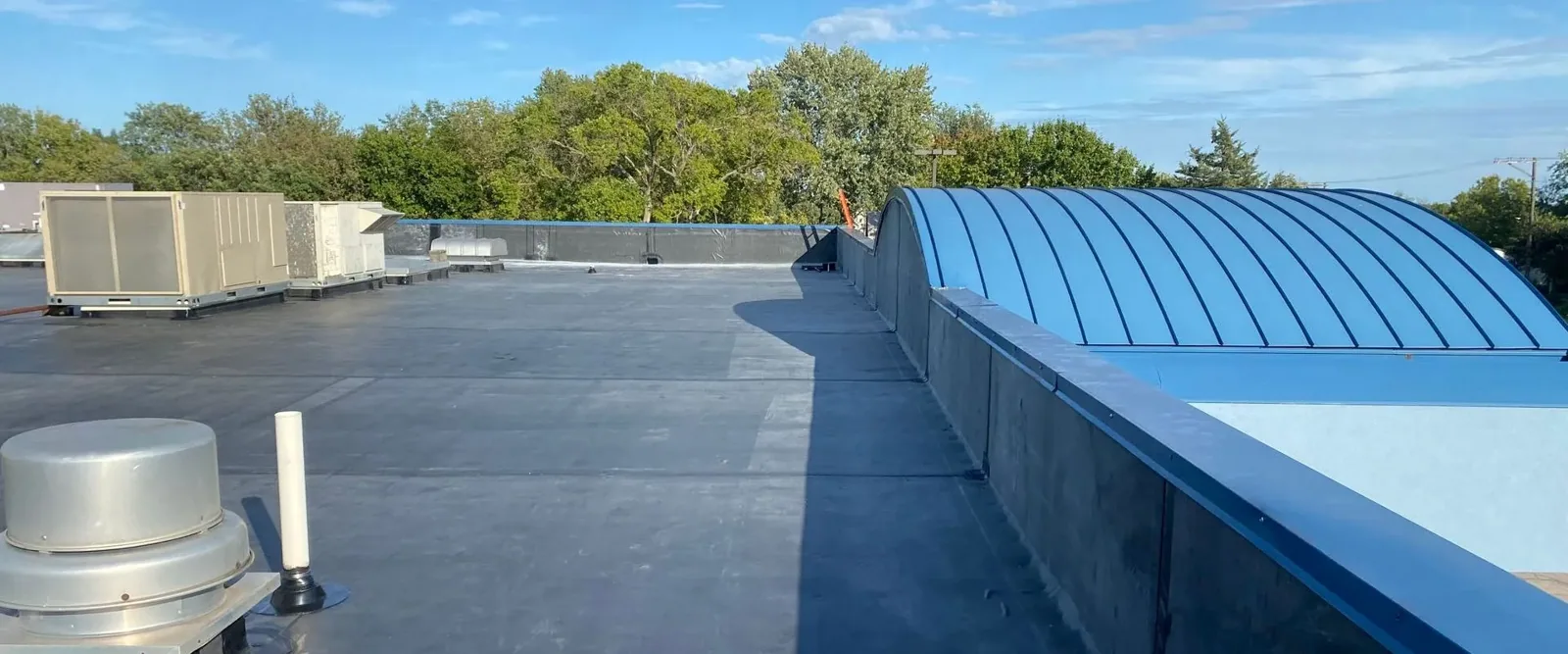
EPDM Roofing
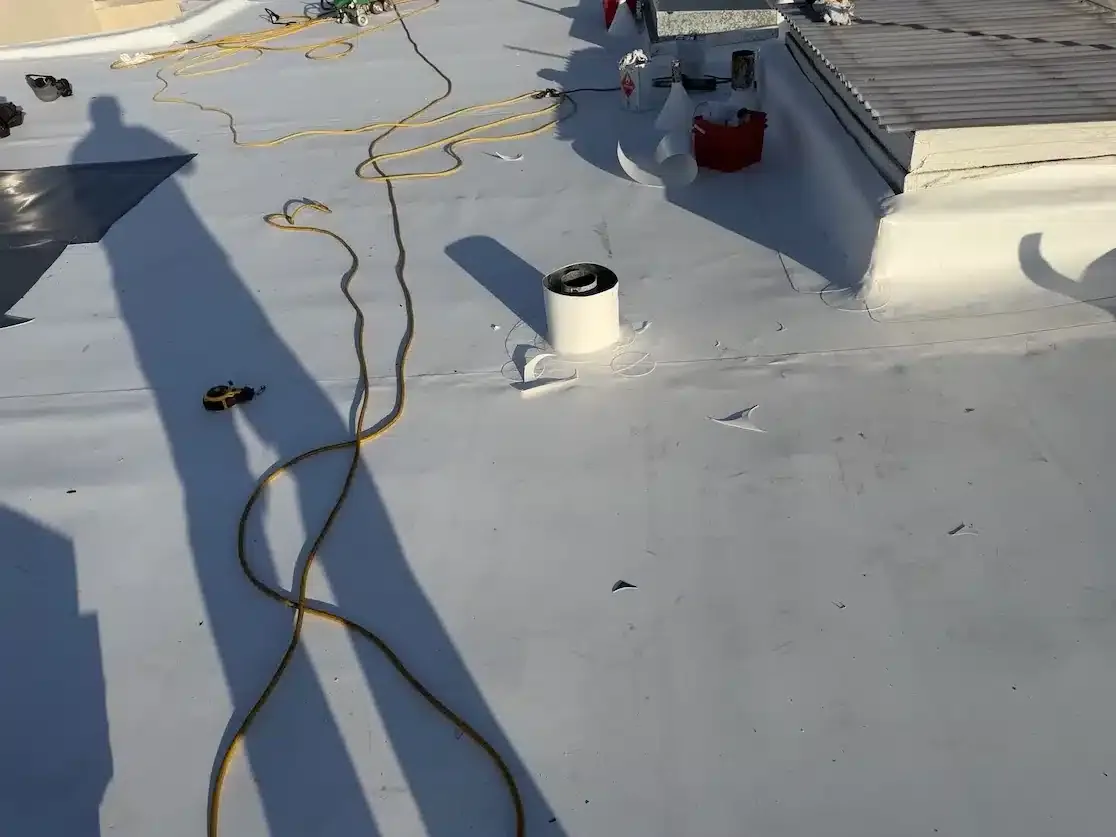
TPO Roofing
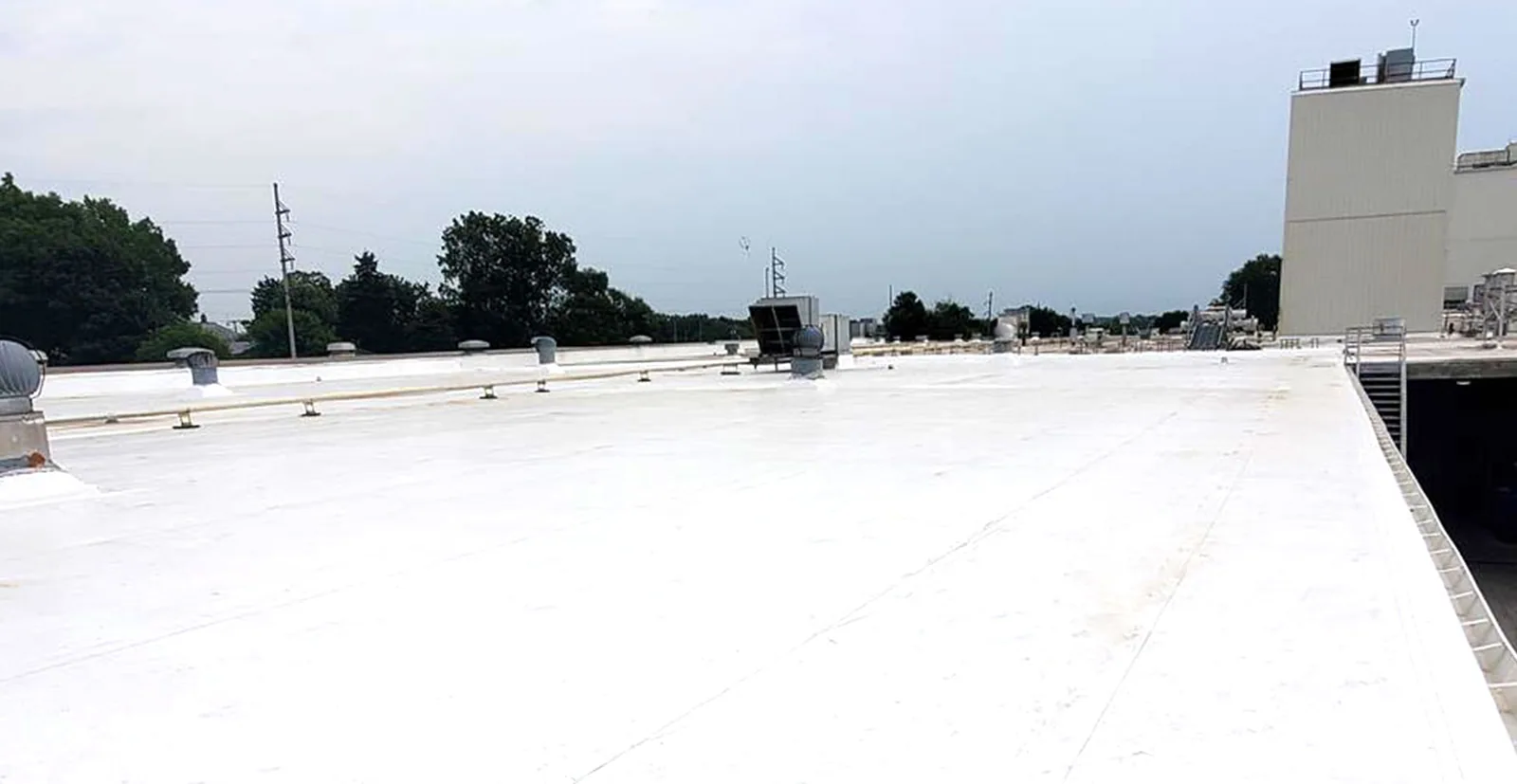
PVC Roofing
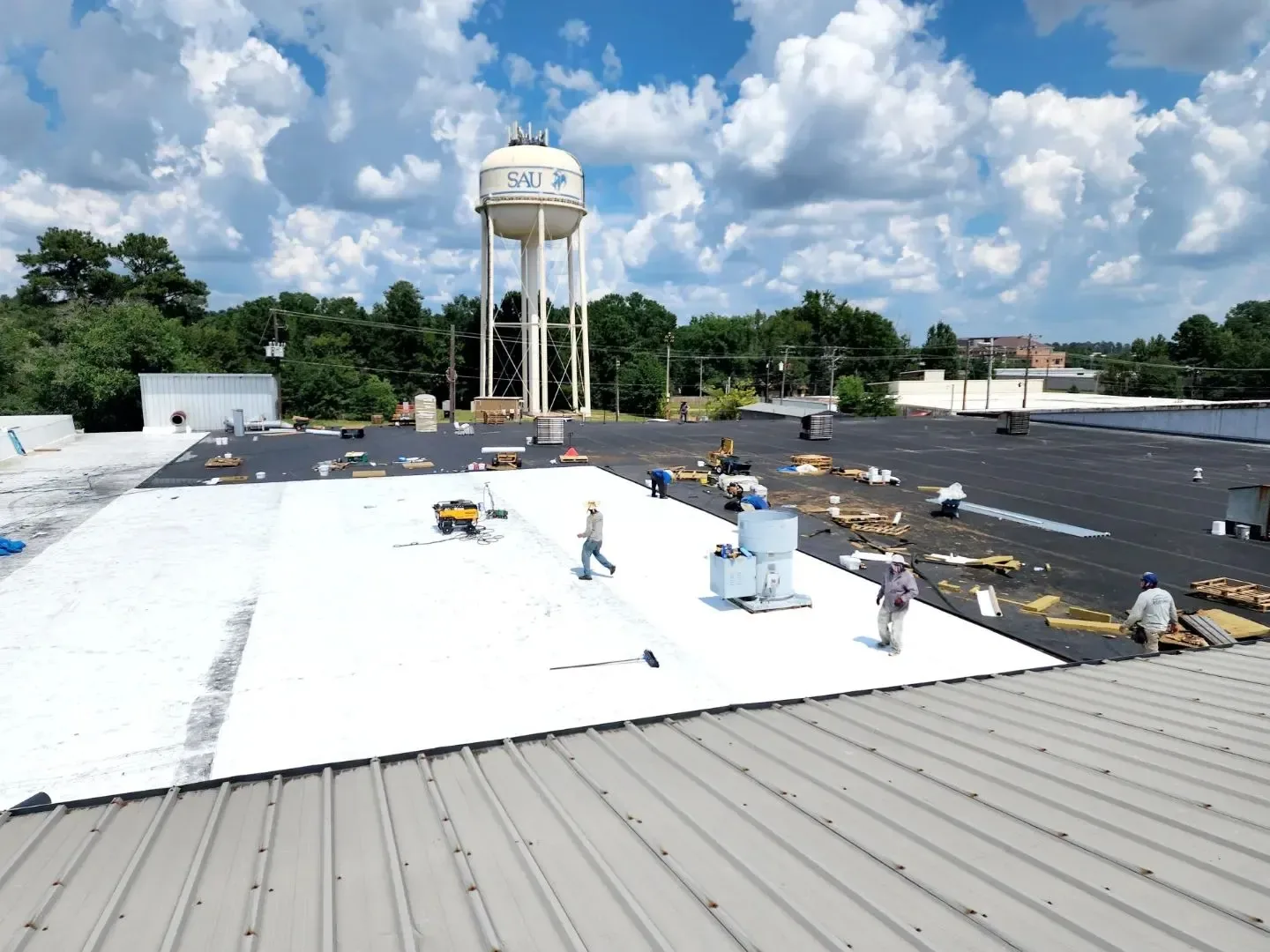
Carlisle SynTec
Emergency Leak Calls
Call for a storm walk or a budget review
Bring whatever paperwork you have, Firestone name and all. We will walk the roof, match it to the file and put a price on each item. The visit pins down your warranty status and your repair line.