
Sika Sarnafil
Sika Sarnafil Roofing Systems in Hoover, AL
Sika Sarnafil is a thermoplastic roofing maker. Its commercial systems center on welded sheets, with PVC as the best known type. It also supplies liquid-applied flashing resins for details. A thermoplastic sheet is a single layer. The seams are fused with hot air. The result is one continuous surface, not glued laps. That suits roofs with kitchen exhaust, hotel mechanical rooms and busy rooftop equipment. If your Hoover roof is welded PVC, repair is a welding job. The price follows the seam count and the equipment.
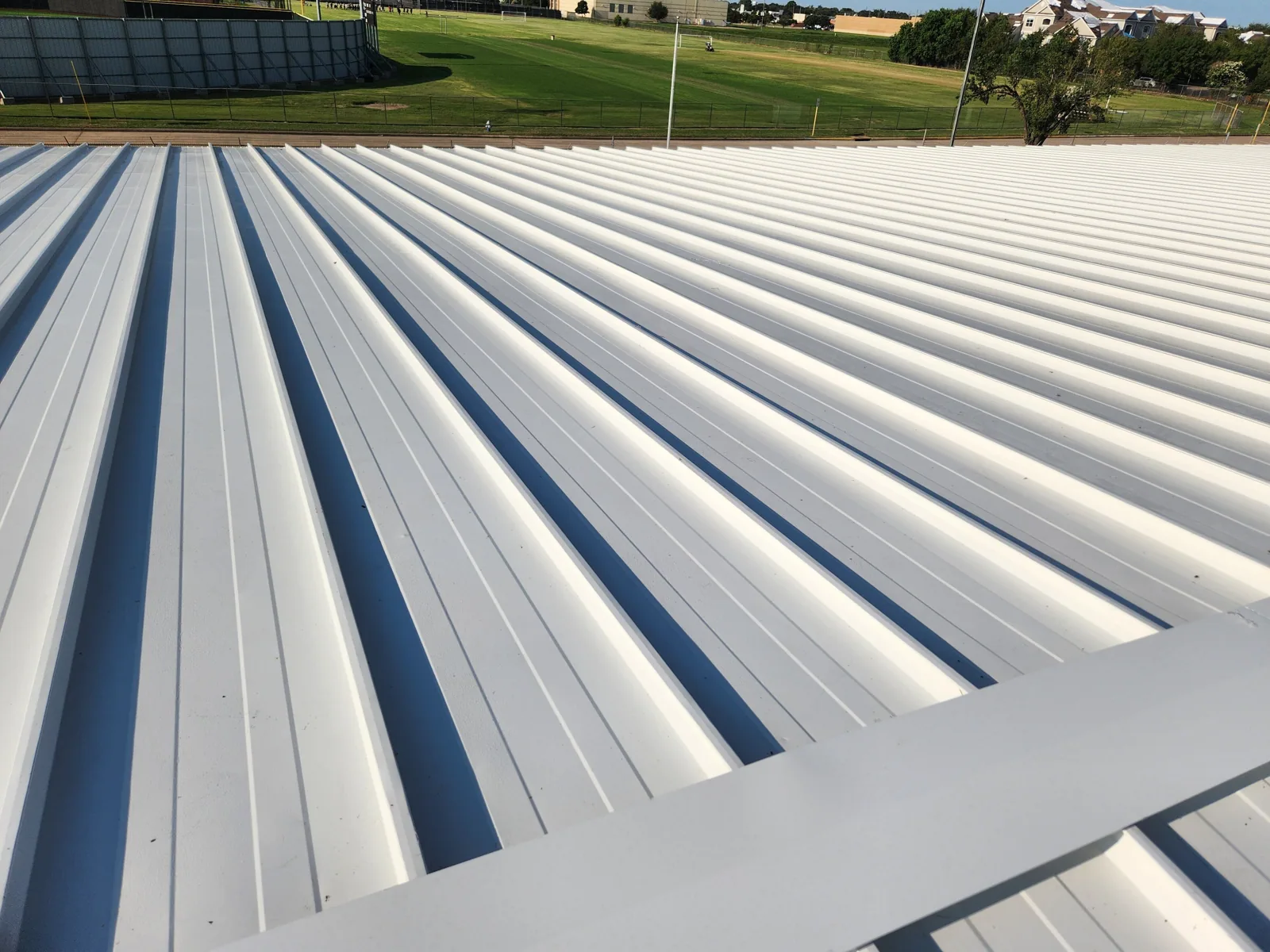
Welded seams: why this sheet repairs well
Hot-air welding fuses two sheets into one. A good weld shows a smooth bead at the edge. A probe cannot get under it. That is the test we use after every repair.
Old welded seams can still be repaired, if the sheet will fuse. We clean the area, test a small weld and watch whether it bonds. If it does, we weld a cover strip across the opening. If it does not, the sheet is too aged. Then we price a section replacement against the repair, and you choose.
Welded sheets also take patches well. A puncture gets a round-cornered patch, welded all the way around. We probe every edge. Each patch gets a plan number and a photo. A PVC roof repaired this way keeps its original continuous surface.
Grease and chemicals: where PVC earns its cost
Cooking exhaust leaves grease on a roof. Many membranes soften or swell under oils. PVC resists a wide range of fats, oils and chemicals. That is why it shows up near restaurant exhaust, and near rooftop equipment that drips.
A restaurant roof still needs care. Grease collects at fan outlets and drains. We check containment trays and clean the area. We look for soft, tacky patches under fans. A failed seam below a fan can hide under a stain. We rebuild it, replace the sheet if needed and add a larger tray. The same checks apply on US 31 in Riverchase and on any kitchen roof in the metro. The cost is small. The cost of a leak over a dining room is not.
Liquid-applied flashing: details that do not fit a sheet
Some details are hard to wrap with a sheet. Pipe clusters, odd curbs, irregular penetrations and tight corners all qualify. A liquid-applied flashing resin fills the gap. It is brushed or rolled on, often over fabric, and cures into a continuous seal.
We use it where a pre-formed boot will not fit. We prepare the surface, prime, set fabric where the system calls for it and apply the resin in coats. Thickness matters, so we measure it with a gauge and record the reading. A coat that is too thin fails early, and a coat applied over a damp surface blisters. Cure time depends on temperature and humidity. In Hoover that means watching the forecast. We schedule resin work for dry mornings and cover it before afternoon storms.
Hotels, resorts and mixed use
The Galleria at Riverchase mixes shops, a hotel and offices along US 31. Ross Bridge is a mixed-use community with a golf resort and spa at its center. Hotel roofs carry mechanical equipment, kitchen exhaust and many penetrations. Guests sleep below. Leaks cost rooms.
So we plan around occupancy. Noisy work goes in the hours management approves. Sections stay small so each one is closed by evening. We put drains and equipment curbs first, since water enters there. For owners near Ross Bridge, the same plan fits a village-center roof. The answers change with the building, not the method.
Cost: what drives a welded-sheet repair
Four things move the price. The first is seam count. A long open seam costs more than a short one. The second is access. A roof with a lift needed costs more than one with a ladder. The third is equipment. Each curb and penetration is a detail to weld or flash. The fourth is moisture. Wet insulation under a failed seam adds cutting and replacement.
We scan before we quote. That keeps the price honest. A small repair stays small, and a bigger one shows up before the crew arrives. Each line gets a number on the plan and a price beside it. You can approve in steps. You can also hold some lines for next year's budget, as long as the water entry is stopped now.
More on Sika Sarnafil
The first walk: what we check on a thermoplastic roof
The walk takes a few hours on most roofs. We bring a probe, a camera, a moisture meter and a test welder. Here is the order.
- Drains and sumps: clear them, look for standing water and staining.
- Seams: probe every lap near walls, drains and equipment.
- Flashings: press at corners, curbs and wall terminations.
- Penetrations: check boots, clamps and resin details.
- Surface: look for punctures, scuffs and grease.
Then we write it up. Each finding has a photo, a location and a price. You get the list the same week. It becomes the base for your yearly plan, and it is the first page of the roof file. We repeat the same walk each spring and fall, so you can see change from one visit to the next.
Storm season and heat: the calendar
Spring brings the storms. Storms here can be fierce, so the schedule leaves room for weather.
Repair before March. Check welds, flashings and drains in February. Keep spring work in small sections. After a storm, walk the roof within days. A prefabricated PVC option from Duro-Last and the sheet systems from Carlisle SynTec are the other routes. Choose the system on drainage, traffic and budget, not on the label. Photos of each repaired seam go into the file.
Commercial Roofing Questions
Is a welded PVC roof harder to repair than other roofs?
No, it is often easier. A welded seam can be re-welded or covered with a welded strip. The condition of the sheet matters. If it still fuses, repair is straightforward and probe-tested. If the sheet is too old to weld, we price a section replacement. Call for a storm walk and we will tag every seam on the plan.
Why is PVC used near restaurant exhaust?
It resists many fats, oils and chemicals that soften other membranes. Grease still needs managing, so we check containment trays, clean the area and look for soft spots under fans. A failed seam under a stained area is common. We rebuild it and add a larger tray if needed.
What is liquid-applied flashing?
It is a resin brushed or rolled onto a detail, often over fabric, that cures into a continuous seal. It suits pipe clusters, odd curbs and tight corners that sheets cannot wrap. Thickness and cure conditions matter, so we measure and schedule around humidity and storms.
How do you work on a hotel roof with guests below?
We plan around occupancy. Noisy work goes into hours management approves. Sections stay small and are closed each evening. Drains and equipment curbs go first, since water enters there. We keep the schedule in writing so front-desk staff know the dates.
When should open welds be fixed?
Before March when possible. Spring storms find open seams fast. Walk in February and repair in March. Fall is a second window before the November storm season.
Can I mix PVC and another membrane on one roof?
Not on the same field. Different sheets do not weld to each other. At a transition we use a flashing detail between systems. We plan it on the roof plan and record it for later repairs.
Related Roofing Work
PVC Roofing
Restaurant Roofing
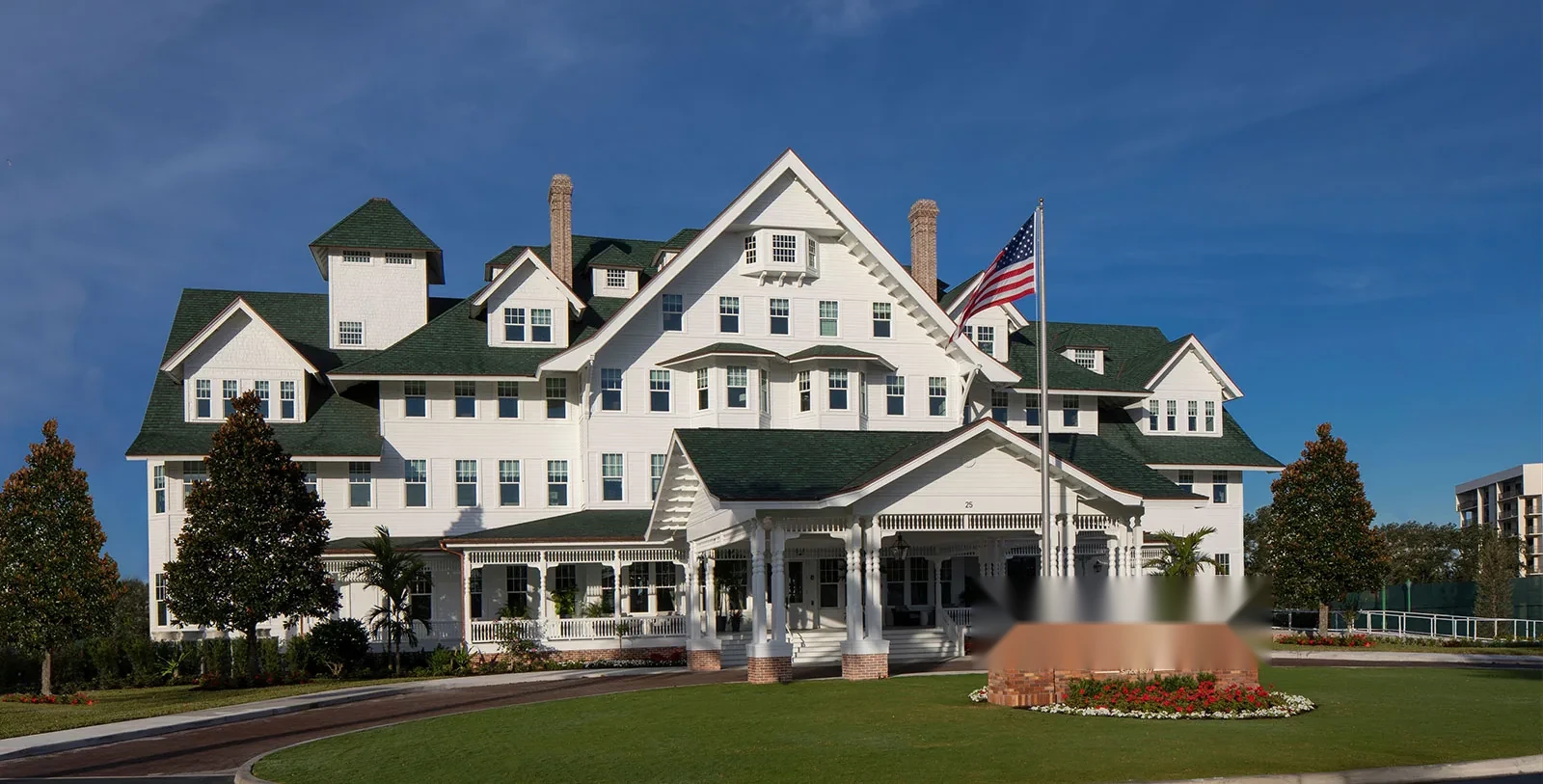
Hotel Roofing

Ross Bridge
Emergency Leak Calls
Call for a weld walk and a priced list
We will probe the seams, check grease areas and price each item. The visit pins down which repairs go this year and what a section replacement would cost against them.