
Duro-Last Prefabricated Roofing
Duro-Last Prefabricated Roofing in Hoover, AL
Duro-Last makes prefabricated PVC roofing. The panels are cut and welded in a factory to the dimensions of your roof, then shipped rolled and labeled. On site, the crew unrolls them, fastens or adheres them and welds the field seams. Fewer field seams means fewer places for water. It also means a short install. The catch is lead time. Panels are made to order, so the clock starts at measurement. If you want a new roof before spring storms, the budget year has to start early.
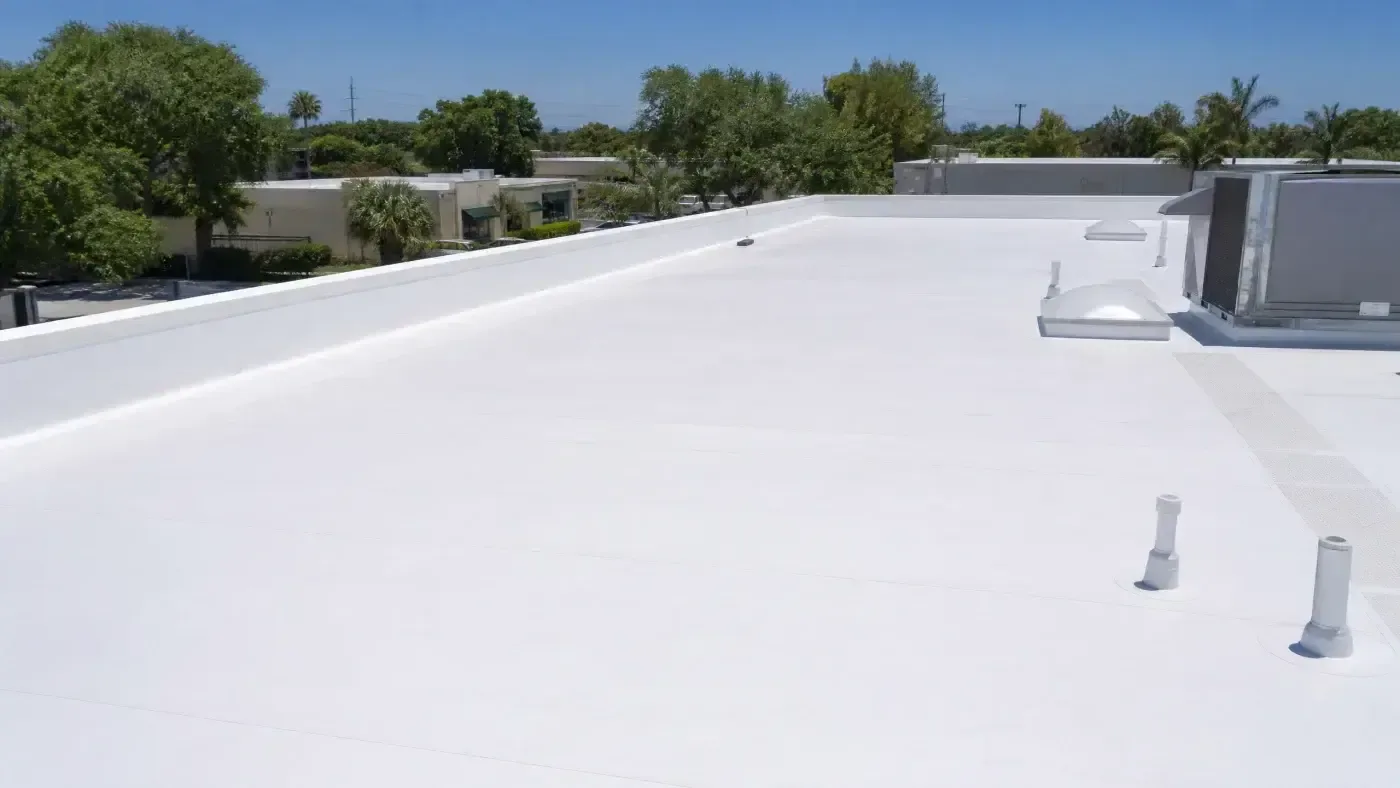
Measure first: how a custom roof begins
Everything starts with a survey. We measure the roof edge to edge: walls, curbs, vents, drains, expansion joints and every penetration. Sketches and photos go with the numbers. The factory builds panels and pre-formed boots from that data.
A bad measurement is expensive. Panels that do not fit mean field cutting and extra seams. So we measure twice and check each curb height against the plan. We also test the deck and the insulation before ordering, because the sheet will sit on them for years. If the insulation is wet, we replace it first. The panels arrive when the substrate is ready.
Drainage gets checked at the same visit. Panels follow the slope of the roof, so a pond today is a pond tomorrow. If the survey finds standing water, we price tapered insulation or a lower drain as an option. Fix the slope while the roof is open. Fixing it later costs a second tear-off.
Lead time: the calendar that sets the order date
A made-to-measure product has a production queue. The queue can lengthen in spring, when storm damage may send many owners to order roofs at once. Plan for weeks between measurement and install, and for more weeks in the busy season.
That is the timing point for a Hoover budget year. Weather risk peaks in spring and again late in the year. A roof ordered in February can arrive after the storms start. A roof ordered in the fall is on site for winter. So measure in the fall, approve in the winter and install in the early spring or the dry summer weeks. Large hail has fallen across central Alabama. A roof that waits for a storm to force the order waits longest.
Install: speed and field seams
Installs go fast. The panels are large and the factory welds are done. The crew rolls each panel into place, attaches it and welds the field seams with hot air. Pre-formed boots slide over pipes. Corners are pre-made.
The roof stays open for a short time. That helps an occupied building reroof, where tenants are working below. We stage only what we can close each day. We probe every field seam after it cools. Each field seam gets checked. Each photo goes in the file. A prefabricated roof is not maintenance-free, but its install-day risk is lower.
Repairs: patching a custom PVC roof
Repairs are welded patches. The patch is PVC, cut with rounded corners and welded all the way around. Boots that crack are replaced with matching boots. Seams that open get a cover strip. The rules match any PVC roof.
Aged PVC sometimes refuses a new weld. We test first. If it fuses, repair is straightforward. If it does not, we price a section replacement. Settle the question early, since panel replacement takes the same lead time as a new roof. Owners who plan a section in the fall have it by spring. Small repairs do not wait on the factory. A cover strip or a boot swap uses stock material, and we can do it in a visit. Keep the two paths straight: small repairs now, panels on the calendar.
Wind, edges and the storm record
Twisters in 1977, 1998 and 2011 mark the area's record. Storms are most common in spring, and a second season runs from November into early December. Wind loads the edges first.
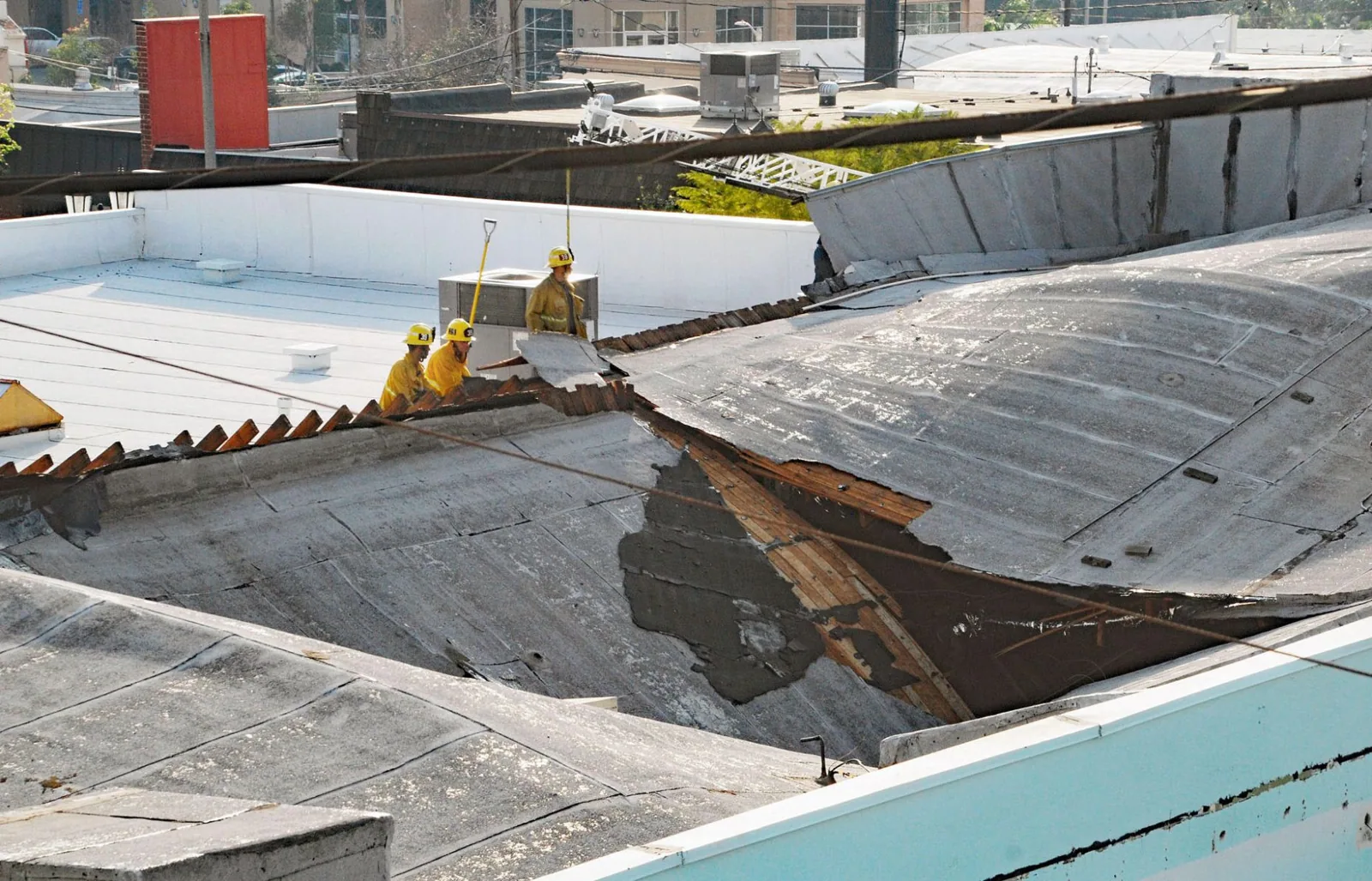
A prefabricated roof on a US 31 retail building or any other site is only as strong as its attachment. Perimeter and corner zones need extra fasteners or adhesive, and edge metal must match the pattern. We check the specification against the building and add attachment where the exposure calls for it. After storms, we walk the perimeter first. The wind damage repair steps are the same for any sheet.
More on Duro-Last Prefabricated Roofing
Warranty and records: the paper that follows the roof
A prefabricated roof often comes with a maker's warranty. Read the terms before you sign. Ask who must do repairs, how fast notice is due and what maintenance is required. A repair done outside the terms can cost coverage on the whole roof.
We keep the file. It holds the survey sketch, the panel layout, the deck test, the insulation record and the photos of every stage. The repair log goes in after each visit. When a tenant changes or the building sells, the file goes along. A buyer wants the roof's age, its repairs and its warranty status on two pages. A good file gives all three. It also makes a claim faster, since the adjuster or the maker can see what was installed and when.
If you hold several buildings, one shared format keeps the roofs comparable. That makes budget meetings short and keeps the order dates in view.
Cost and comparison: where this system fits
Prefabrication can cut field labor and shorten the install. It does not remove deck repair, insulation or flashing costs. Those still depend on the roof. We list each as its own line.
Comparisons help. A welded sheet from Sika Sarnafil is a PVC option installed from rolls. A single-ply roof from Versico offers TPO, EPDM and PVC. In Bessemer and other distribution areas, big flat roofs reward a short install. On retail roofs with many curbs, pre-formed boots save time. We price each option against the same plan, so the numbers can be compared.
Commercial Roofing Questions
How far ahead should I order a prefabricated roof?
Plan for weeks between measurement and install, and longer in spring. We recommend measuring in fall, approving in winter and installing in early spring or the dry summer weeks. Waiting for storm damage to force the order puts you at the back of the queue. Call for a storm walk and we will set the dates.
What if the roof measurement is wrong?
Panels that do not fit mean field cutting and extra seams, which cost more and add risk. We measure twice, check curb heights against the plan and test the deck before ordering. If the survey finds problems, we fix them first, so the panels arrive to a ready substrate.
Can a prefabricated PVC roof be repaired?
Yes. Repairs are welded PVC patches and cover strips, with matching boots for pipes. Aged PVC may refuse a new weld, so we test first. If it will not fuse, we price a section replacement. Panel replacement carries the same lead time as a new roof, so plan early.
Does a prefabricated roof help an occupied building?
Often. The install is quick and the roof stays open for a short time. We stage only what can be closed each day, schedule noise for approved hours and keep tenants informed in writing. Short exposure lowers leak risk below.
How does wind affect the attachment?
Wind loads edges and corners first. We add fasteners or adhesive in those zones and match the edge metal to the pattern. The state follows the 2021 International Building Code, which sets wind rules. We check the specification before ordering.
Is it cheaper than other single-ply roofs?
Sometimes, mostly through labor. Prefabrication cuts field work, but deck, insulation and flashing costs remain. We price it beside other options on one plan, with each cost on its own line, so you can compare.
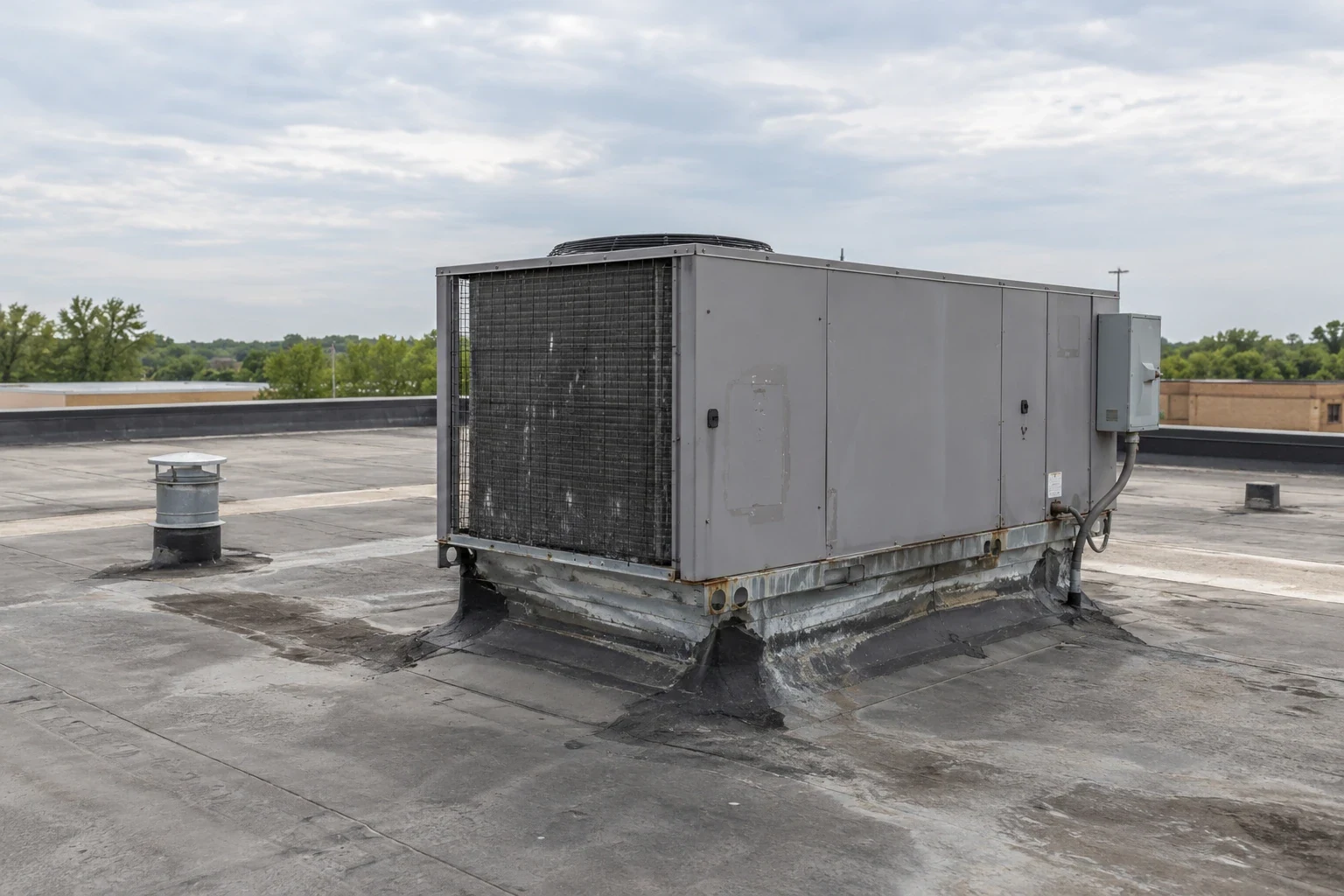
Related Roofing Work
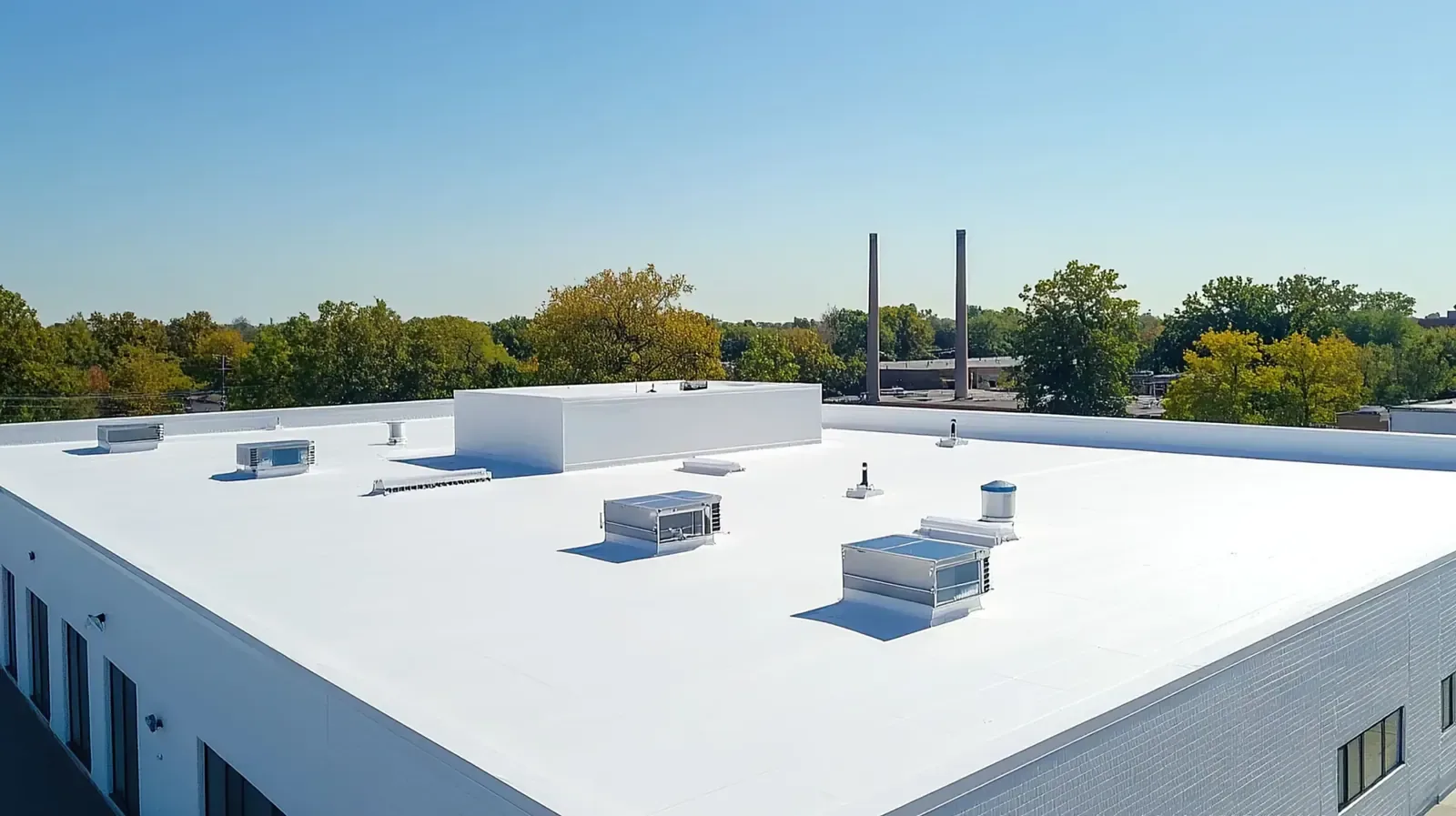
Occupied Building Reroofing
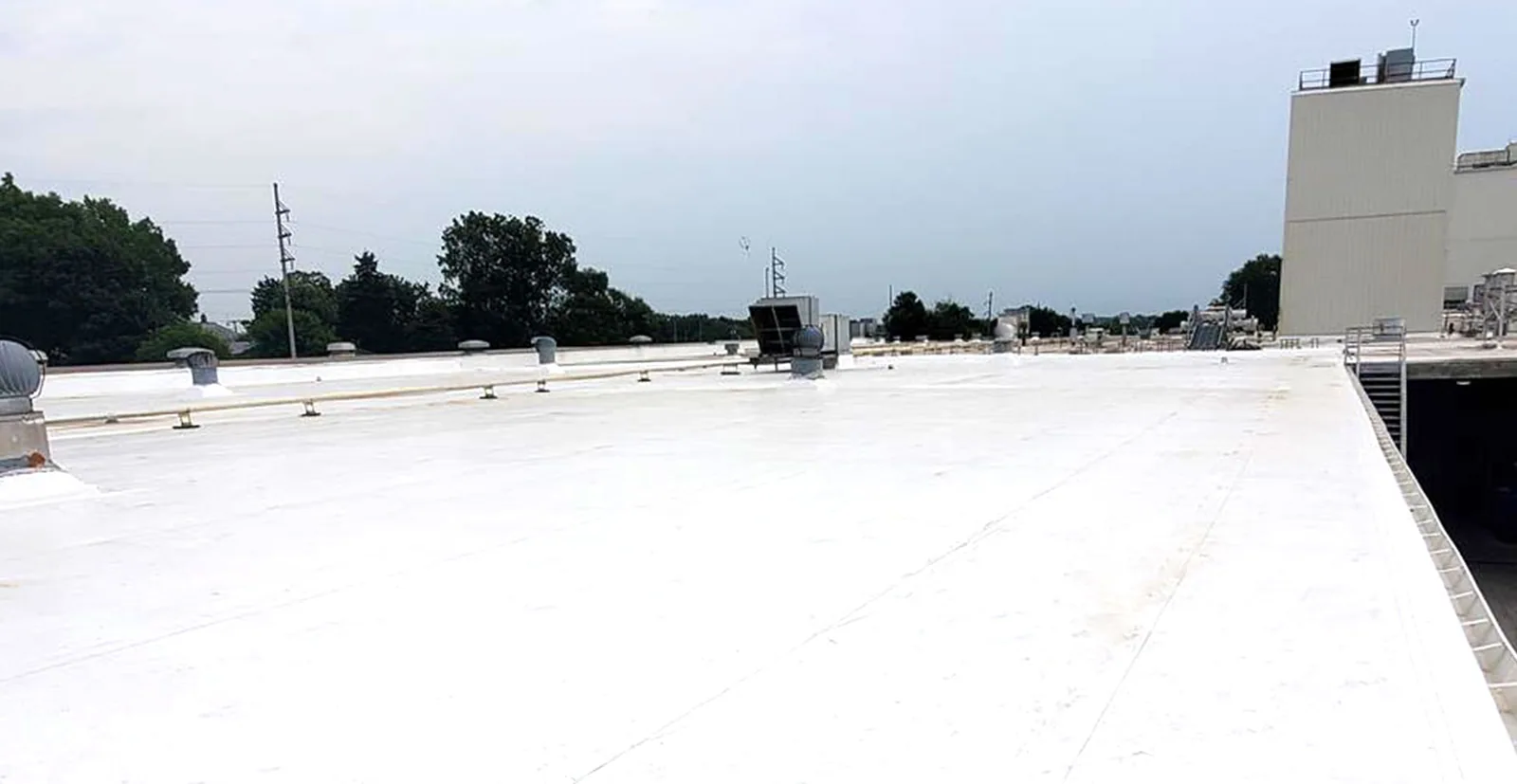
PVC Roofing
Wind Damage Roof Repair
Sika Sarnafil
Emergency Leak Calls
Call for a measure walk and a timeline
We will survey the roof, test the deck and price the install against other options. The visit pins down your order date and the budget year it belongs in.