
Medical Office Roofing
Medical Office Roofing in Hoover, AL
A clinic cannot see patients under a dripping ceiling. One wet exam room costs the practice a day of visits, and the schedule rarely recovers. A spring storm can hit on a Monday and leave the waiting list full by Tuesday.
So the roof plan has to be done before the storm, not after it. A winter roof walk, a February price and a slot in the gap between storm rounds make up the plan. The goal is one thing: no leak over a patient room.
The issue: small roofs, many units
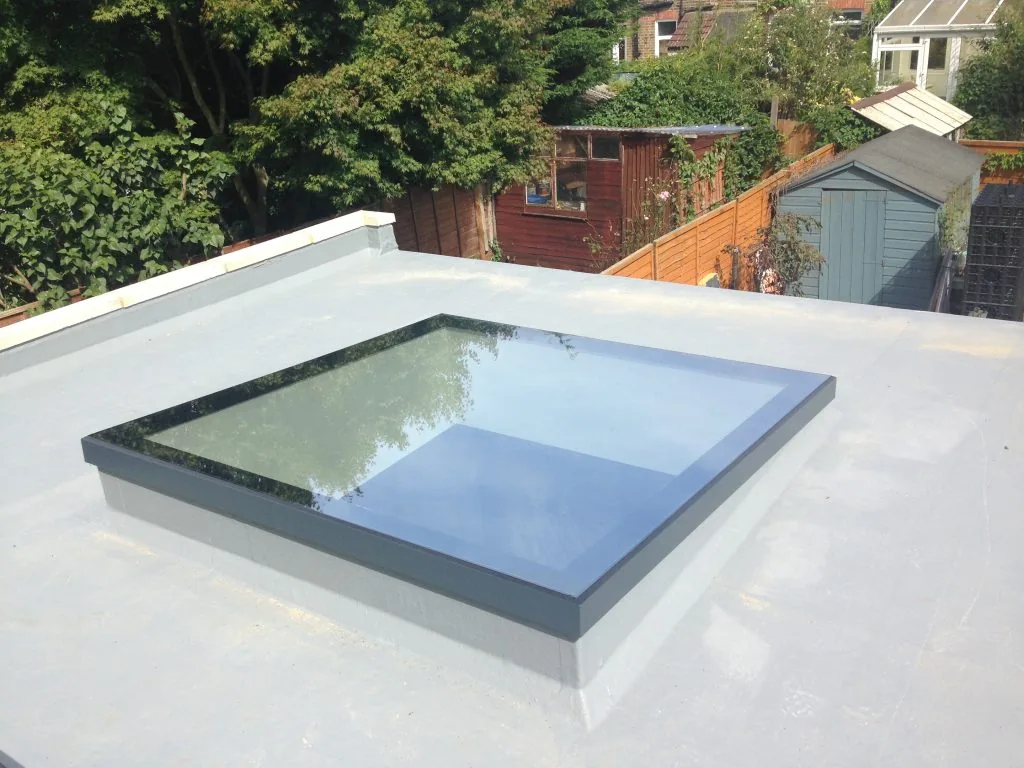
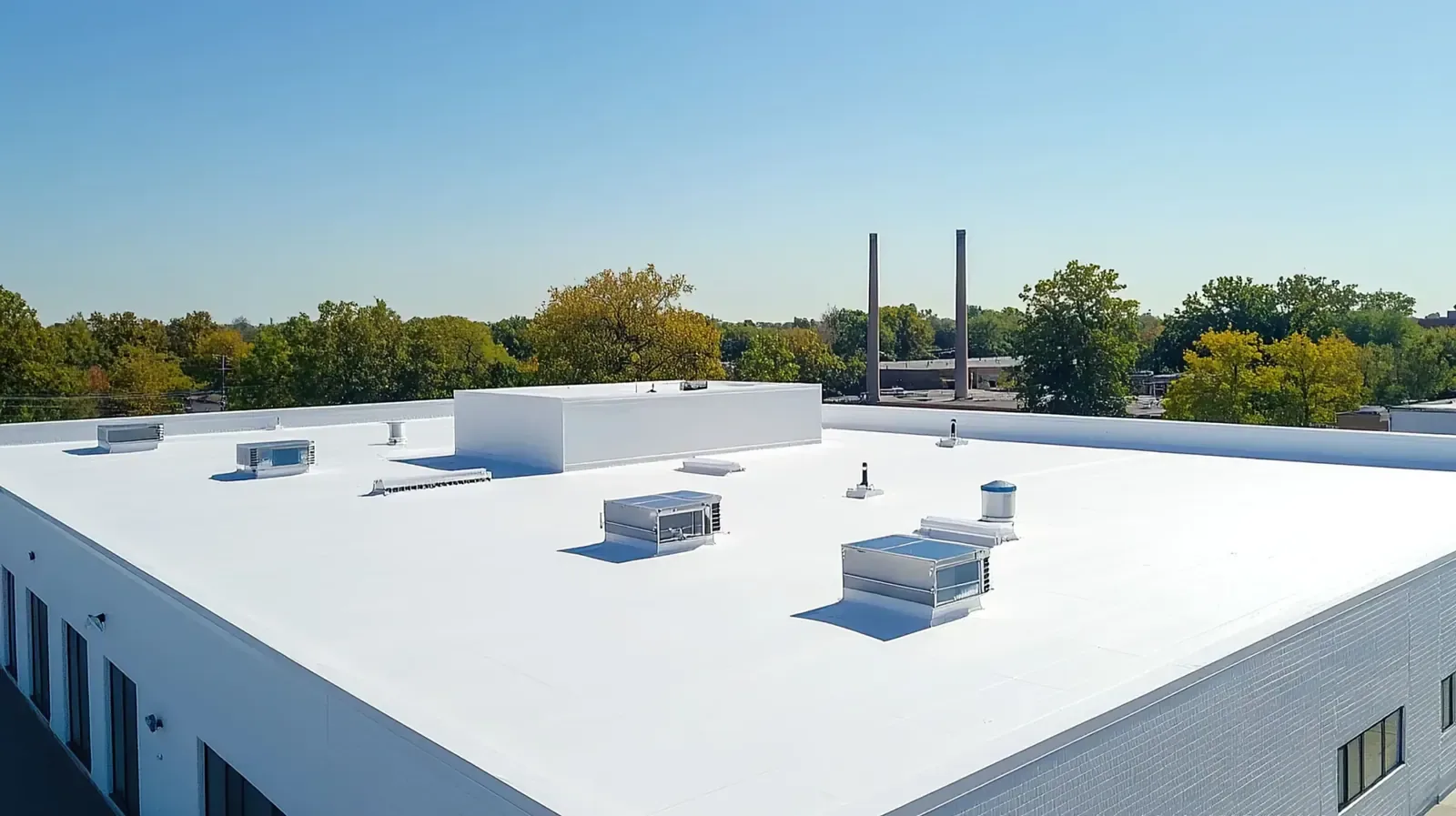
A medical office has a modest roof and a lot of equipment on it. Each suite may have its own rooftop unit. Exhaust fans serve restrooms and labs. Plumbing vents run through. Each one is a penetration, and each curb has flashing that ages.
The problem is that tenants add units over the years. Different crews install them. Flashing quality varies. We inventory every unit, curb and vent and rate each one. A cracked boot over an exam room gets fixed first. A sound boot over a storage closet can wait a year. The rating sheet shows both, with a photo and a price beside each line.
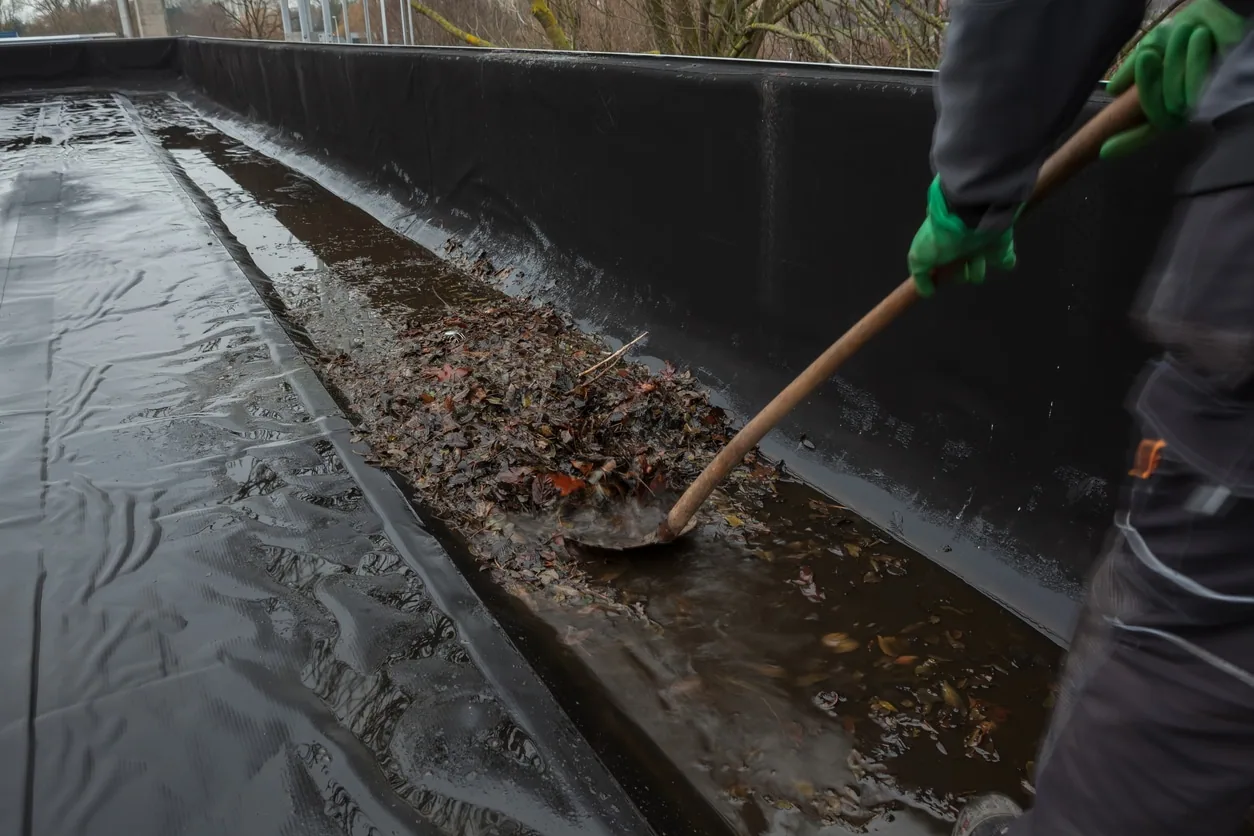
We also probe the seams and check the parapet. Drains in a small roof clog quickly, and a clogged drain on a low-slope roof puts water on the nearest seam within an hour of a hard rain. Clear them in March and again in the fall, and check the overflow opening each time. A flow test with a hose takes five minutes and shows what a stain would show a month later.
Imaging rooms and labs deserve a note on the plan. Their ceilings may hold shielding, sensitive cabling or specialized ventilation, and a leak above one costs more than a leak above a waiting room, so those suites rank first when the repairs are sorted.
What it costs: a lost day is the big number
Think about the cost of a closed exam room. A day of lost visits is more than many roof repairs. Add the ceiling repair, the cleaning and the patient calls. A small roof leak turns into a large bill if it lands in the wrong room.
The roof bill depends on area, layers, wet insulation, units to lift and access. Small roofs are cheap to repair and costly to ignore. An infrared moisture survey finds wet insulation before a ceiling tells you, which lets you fix the section instead of the whole roof.
Each line item has a price and a priority. Practices pick the items that protect the patient rooms first. A short roof can still hold a long list: a dozen small penetrations, two or three units per suite and a parapet with a decade of patched sealant.
Storm season: March, April and November
The Birmingham area sits in Dixie Alley. Dixie Alley's record here rests on three tornadoes, in 1977, 1998 and 2011. Thunderstorm season peaks in spring, with a second round from November into early December. In central Alabama, hail the size of softballs came down on April 25, 2003.
Medical roofs take wind at the edges and hail on the membrane. A severe report triggers a storm walk and hail check, and each item gets a dated photo. Claims pile up in March, April and November, which is why a roof file with a report and photos moves faster.
When to do it: Alabaster, Southside and the schedule
Alabaster considered expanding a 'Main Street Medical Mile' along Highway 31, with more medical facilities and retail. Southside centers on UAB and its adjacent hospitals. Medical buildings near hospitals and highways bring access, parking and noise rules that can vary by block.
Plan roof work for the quietest stretch of the year. Ask your staff when the schedule is lightest, and tell us before the quote, not after. Many practices slow in late summer and around holidays. Do cheap fixes in late winter: seal curbs, reflash vents, clear drains. Keep an occupied building reroof plan on file, with quiet hours and exam-room protection marked.
Budget year: spread the roof across tenants and years
Multi-suite buildings share a roof and split the cost. A clear report helps. It shows what was found, in photos, with dates, so the landlord and tenants see the same facts. Year one covers leaks and penetrations. Year two covers the weakest section. Year three covers the rest.
Summer heat shortens seam life and loads the cooling equipment. We plan yearly seam checks and keep an eye on the units that run hardest.
More on Medical Office Roofing
Recommendation: protect the rooms with the highest stakes
Rank the roof by what sits below it. Exam rooms, imaging, labs and pharmacy come first. Waiting rooms and offices follow. Storage comes last. Fix the roof over the first group before spring.
Medical office replacements follow the adopted building code alongside the ANSI/ASHRAE/IES 90.1-2013 energy standard. A larger health campus follows stricter rules, as in hospital roofing, and a mixed-use building shares details with office building roofing. Healthcare systems with many clinics can use one plan for all of them.
What to ask us: four questions that save a visit
Call with the building address and the suite list. Then ask these.
- Which units, vents and curbs sit over exam rooms?
- Which of them are open or cracked right now?
- Is the insulation dry, and what do the cores show?
- What does repair cost, and what does waiting cost?
We answer with photos, moisture readings and a price. We also ask for your quiet hours, your sensitive rooms and your landlord's contact. Those three answers decide the schedule. A plan that keeps procedure rooms dry and keeps noise away from consult rooms takes one walk to write.
If your practice leases space, send our report to the property manager the same day. A landlord who sees dated photos moves faster than one who hears about a stain on the phone, and the roof gets fixed in the same budget year.
Commercial Roofing Questions
How do I protect patients while the roof is open?
The crew takes the roof in sections, dries each one in the same day and keeps entrances and parking open. Noise and dust control follow your infection-control rules. We recommend a walk with your practice manager before work starts, so every exam room under the work area is marked and protected.
Can a medical office roof be repaired without closing?
Usually yes. Most repairs are done from the roof in a few hours. Larger work is phased by suite. We recommend giving staff a schedule and a contact number, and moving the most sensitive procedures to the quietest days.
Who pays for the roof in a multi-tenant building?
The lease decides, and the landlord's attorney can answer it. What helps is a clear report with photos and dates. We recommend sharing it with every tenant before the budget meeting, so costs are discussed against facts and not against a stain.
How do I know if a ceiling stain is a roof leak?
Check timing. A roof leak shows during or just after rain. An air-conditioning leak shows on humid days and follows a duct line. We recommend noting the date and weather, then calling us. A moisture read from the roof side settles it.
How soon should we call after a storm?
As soon as it is safe to reach the roof. Water that enters during the next rain does more damage than the storm did. We recommend photographing every stain from the floor and calling for a storm walk the same day.
Related Roofing Work

Infrared Moisture Survey

Alabaster

Southside, Birmingham
Occupied Building Reroofing
Emergency Leak Calls
Call for a storm walk or budget review
Call before spring, or the day after a severe storm report. The walk pins down which rooms are at risk and what the fix costs. You get it in writing, with a price on each item.