
Cool Roof Installation
Cool Roof Installation in Hoover, AL
Sixty-five days at 90 degrees add up on a dark roof. Birmingham logs about that many each year, with humidity near 70 percent. A black membrane in that weather runs far hotter than the air. The heat bakes the sheet, loads the cooling system and ages the seams. A reflective roof sheds much of that load. We install white and light-colored systems on Hoover, AL buildings and tell you plainly where they pay and where they do not.
The decision is a budget one. It is not about looks. Reflective roofs cost about the same as dark ones in many systems. The savings show up in the summer bill and in how long the membrane lasts.
The issue: what heat does to a roof
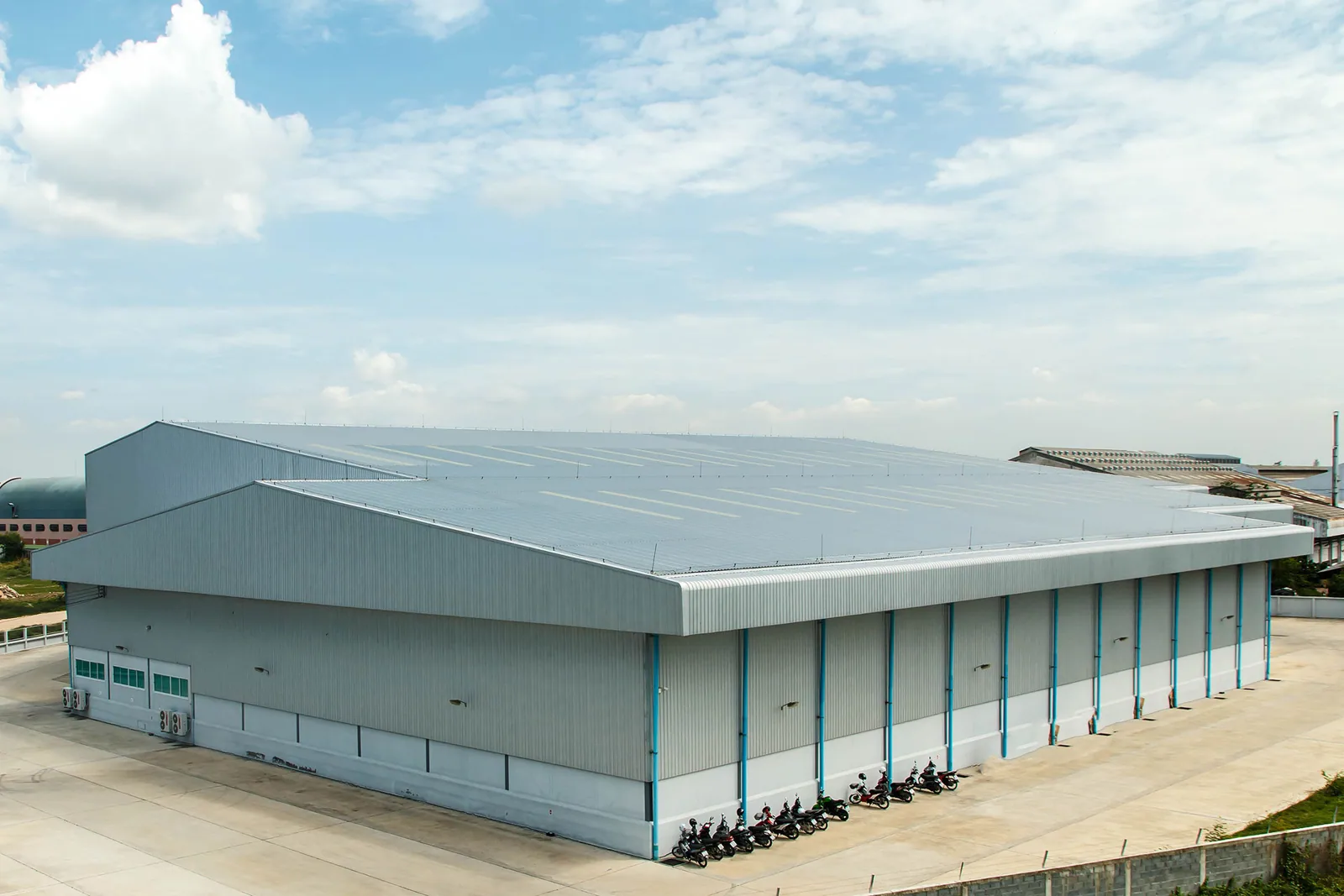
Dark membranes soak up sun all afternoon. The sheet expands. At night it shrinks. That cycle repeats on every hot day. Over years it pulls on seams and loosens sealant at flashing. UV breaks down the surface too. Plasticizers leave, the sheet stiffens and small cracks form at corners.
Underneath, the building pays. Air handlers on a hot roof work against a hot deck. Top-floor tenants feel it first. A cool roof cuts the surface temperature. The membrane moves less, the deck stays cooler and the units have an easier day. A dark roof left through ten summers ends up needing heat and UV damage repair: chalking, cracking and shrinkage.
Ponding makes it worse. Water that sits in a low spot in summer gets hot, then cools hard after a storm. The sheet under it takes a daily shock. A cool surface does not fix a ponding problem, but it eases the heat side. We mark low spots on the plan and treat them in the same visit.
What it costs: price against payback
For new work, a white TPO or PVC sheet is priced close to a dark single-ply. The cost is in the system, not the color. For existing roofs, a reflective coating over a dry, sound membrane is the lowest-cost route. A full replacement with a reflective sheet is the highest.
Payback depends on the building. A one-story box with big rooftop units and long cooling hours gains the most. A building with a small roof area over a tall structure gains less. We do not quote a savings percentage. We compare the roof area, the cooling load and the system price, and give you a plain range. Your utility bills and your mechanical contractor can confirm the rest.
We price the job with and without the reflective option. On a replacement the gap is small. On a recover the gap can be zero. On a coating it is the whole job. Seeing both numbers beside each other keeps the choice about money, not color, and gives your finance person a clean line for the budget year.
Code: what Alabama requires
The commercial energy code here rests on ASHRAE 90.1-2013, and it applies across the state. The building side is the 2021 International Building Code, in force since July 1, 2022. Both apply to new roofs and, in many cases, to replacements. Insulation thickness and roof reflectance can come into the review.
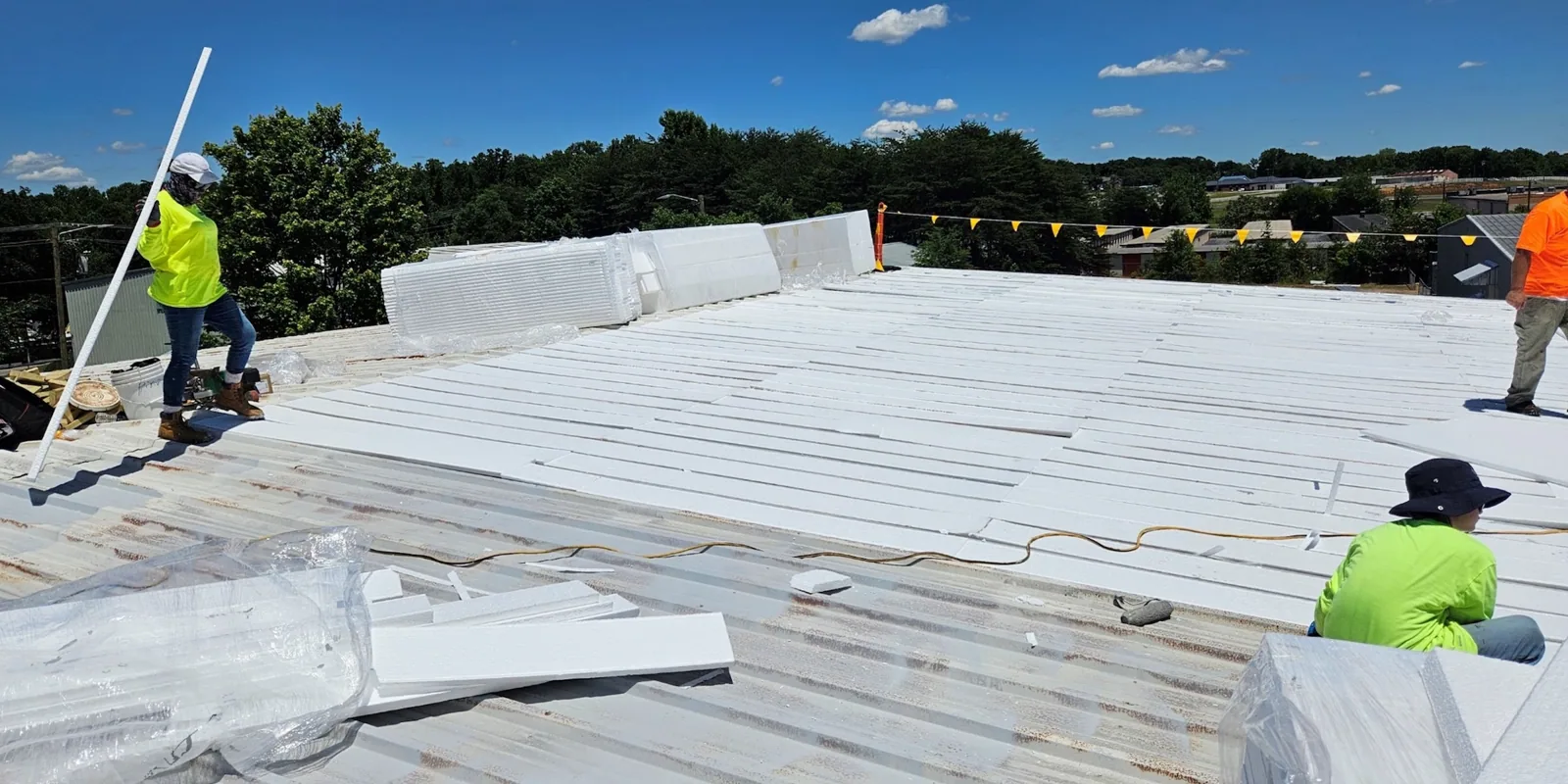
We check the current requirement before we write the scope. A reflective surface may help meet a requirement. Added insulation may be needed in any case. If your project is a tear-off, a new insulation and cover board package is often part of the answer. We put the code line in writing so your permit and your budget agree.
Permit offices read the plan sheet. A scope that cites insulation, attachment and surface in plain terms moves through faster. We hand you a one-page summary for the permit file, and we keep the data sheets in your close-out package so a future owner can see what went on the roof.
Systems: what goes on the roof
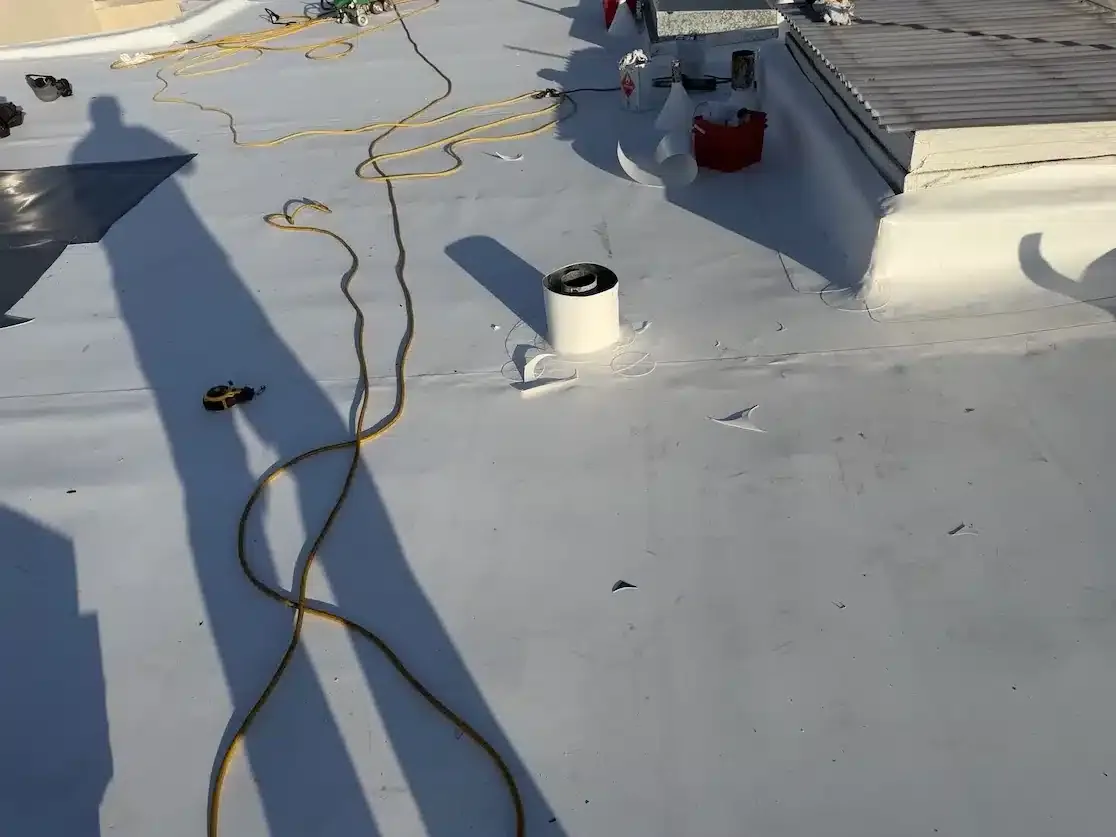
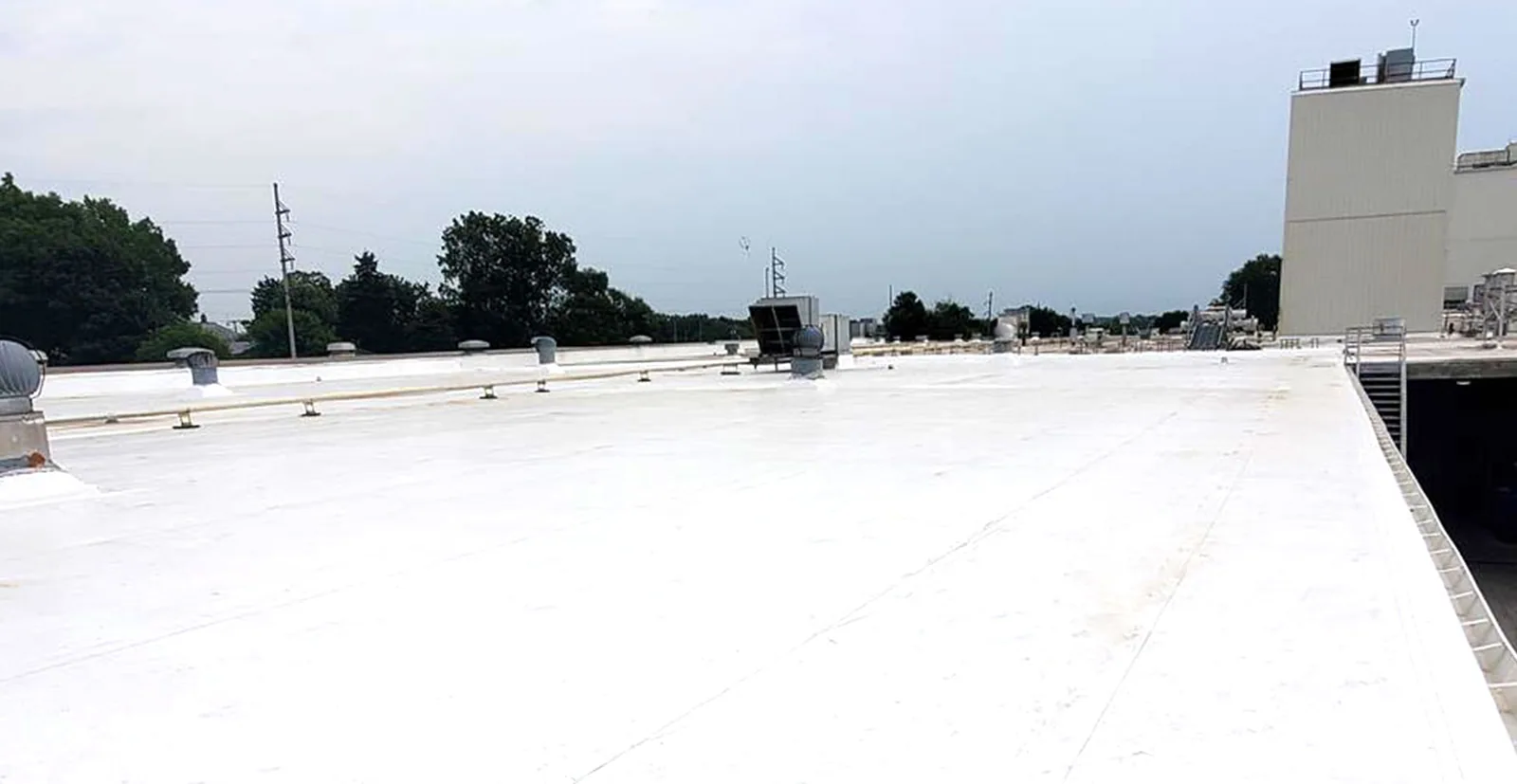
Three routes cover most buildings. A white TPO sheet is the common choice for reflective single-ply. PVC is the pick where grease or chemicals reach the roof, such as near kitchen exhaust. A liquid acrylic coating or silicone coating restores an old sound roof and adds reflectivity.
Each has limits. Coatings need a dry roof. They also need a clean surface and a dry week. White surfaces collect dirt and mildew in humid weather. Washing every year or two keeps the reflectance up. We tell you the care schedule up front so the savings do not fade quietly in year three.
Reflective membranes also need the right walk pads. White sheets show scuffs, and traffic routes to units wear them first. A set of pads along the service path protects the surface and keeps the roof looking and performing the way the bid promised.
When to do it: the calendar and the storm window
Install in the dry, mild weeks of late winter and early spring, or in fall. Coatings need days without rain and surfaces that are not too hot. Single-ply welds work best in moderate temperature.
Spring storm season is the deadline. Severe weather peaks here in spring and again in November, a pattern the region knows as Dixie Alley. April 25, 2003 brought hail up to softball size to central Alabama. A new reflective sheet still needs a hail check after any big storm. Book early in the year and the roof is done before the first warning siren.
Plan the order around tenants. Noise, fumes and hoisting are best kept to early mornings or weekends on a busy site. Coatings have a mild odor for a day or two. We post the schedule at the building and give the property manager a call tree for the week.
More on Cool Roof Installation
By building: where it fits best
Low-slope roofs with large rooftop equipment loads fit best. Think of an office building in Riverchase or a shopping-center roof along Highway 150. Tenants there run air conditioning from late spring through September. A cooler deck helps every month in between.
Where the roof also needs repairs or restoration, a coating can do both. A coating restoration or a recover keeps the old roof in place. Where solar is planned, solar-ready roofing comes first, since the array and the surface should be planned together.
Commercial Roofing Questions
Will a white roof lower my cooling bill in Hoover?
Most likely, in summer. Reflective surfaces run cooler, so less heat enters the building and the units work less. Roof area, insulation, equipment efficiency and cooling hours set the size of the saving. We give a range based on your roof and leave the exact number to your utility records. Winter heating cost rises a little, but Alabama winters are mild.
Do white roofs stay white in a humid climate?
They fade a little in the first year and then settle. Dirt, pollen and mildew build up with humidity. A wash every one to two years restores much of the reflectance. Coatings can be recoated when they wear. We write the care plan into the scope so you budget for it.
Can I put a reflective coating on my existing roof?
Yes, if the roof is dry and sound. A moisture scan and a few core cuts show whether the insulation is wet. Wet insulation under a coating traps water and shortens the life of the whole roof. If the scan is clean, a coating is the cheapest way to add reflectivity and seal small defects.
Does the energy code require a cool roof?
Reflectance and insulation fall under ASHRAE 90.1-2013, the statewide commercial energy standard. Roof insulation and sometimes reflectance can be part of the review on a new roof or a replacement. We confirm what applies to your project before we price it, since the answer can vary by roof type and scope.
How long does a reflective roof last in the Birmingham area?
System, maintenance and storm history set the life. A well-installed single-ply or coating lasts many years, and a cooler surface slows the aging that heat causes. We do not promise a number of years. We tell you what the manufacturer's system is designed for and what care keeps it there.
Related Roofing Work
Heat and UV Roof Damage Repair
Roof Insulation and Cover Board
TPO Roofing
PVC Roofing
Emergency Leak Calls
Call for a heat-load walk and a price range
We will walk the roof, check the membrane and insulation, and give you a priced range for a reflective system. The visit pins down whether a coating, a recover or a replacement fits your budget year.