
Tarrant
Commercial Roofing in Tarrant, AL
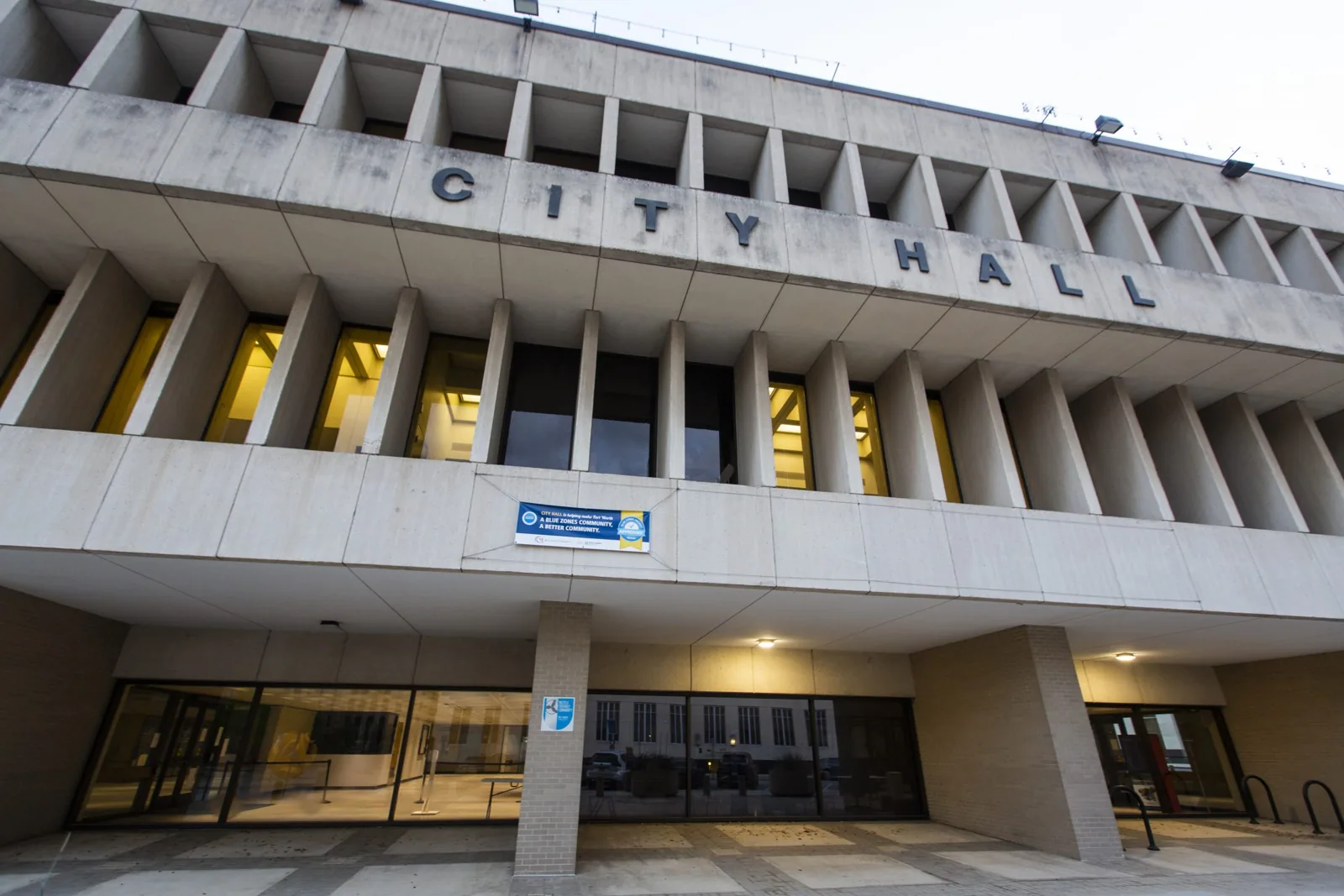
Tarrant, AL means heavy industry and rail. The ABC Coke plant, owned by the Drummond Company, stands in Tarrant and is described as the largest single producer of foundry coke in the U.S. Boyles Yard sits at the head of the rail lines running north to Fultondale. The city opened a new City Hall in 2021 and has a Public Safety Building, and a truck dealership, Fitzgerald Peterbilt, now occupies the former city hall. Industrial, civic and reused buildings all carry roofs, and they do not age alike. We repair and replace them, opening each job with a storm walk and closing it with a written note on where repair gives way to replacement. On every roof the work runs the same way: walk, photograph, record, price, and then you choose.
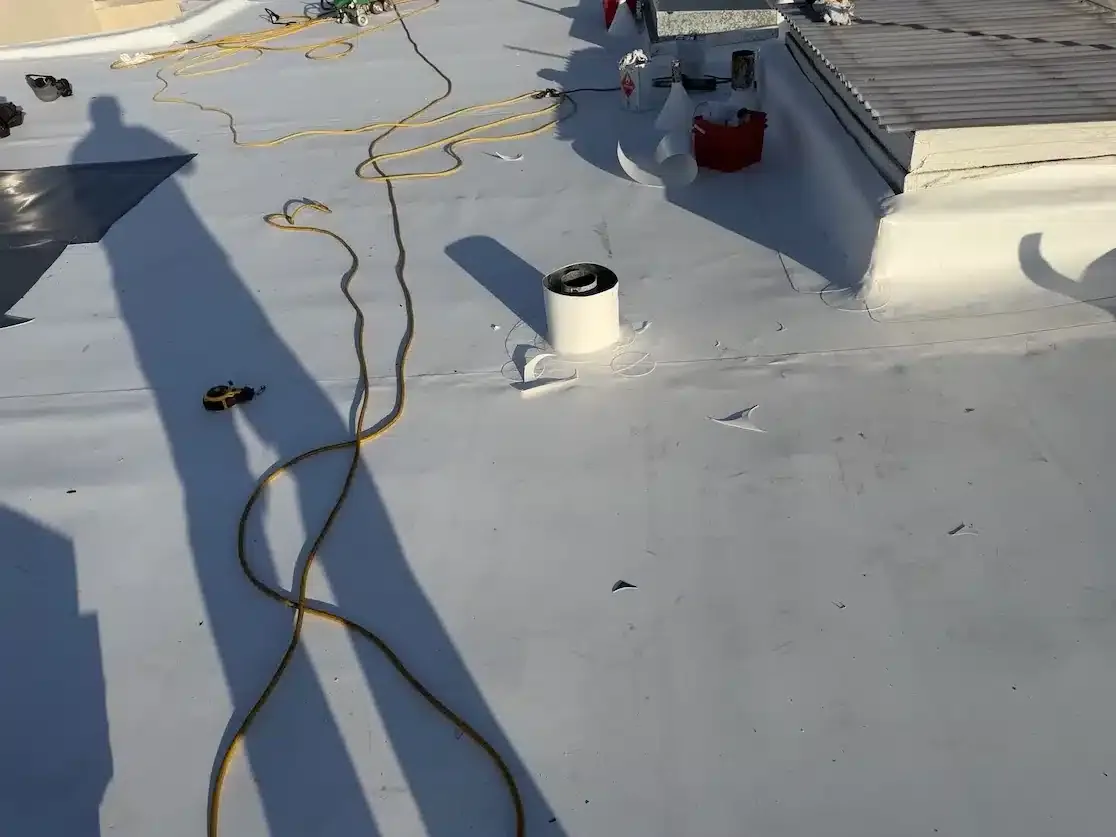
Industrial roofs: heat, residue and grit
Industrial buildings near heavy industry or a rail yard can see more than weather. Dust and residue may settle on the roof, hot exhaust may age a membrane faster and grit clogs the drains. The walk finds out what a given roof sees.
Near vents and stacks we look at the surface for softening, blistering and staining. Scuppers are cleared and photographed, and after rain the edge of each pool gets marked. If a membrane near a vent has gone soft, we say so and recommend one that tolerates the exposure. Then the findings come to you in writing as fix, watch or replace.
The plant engineer knows what vents where, and stack schedules change, and so does what lands on the roof. A fan added last year may blow onto a section never meant to take it. We map every outlet and rate the nearby roof by exposure. Cleaning counts as maintenance: a scheduled wash of the surface and the drains keeps residue from eating the membrane, and the interval comes from what we find and goes in the file.
Rail-side buildings: dock canopies and tie-ins
Boyles Yard and the rail lines to Fultondale shape the buildings around them. Distribution and service buildings near rail have loading docks, canopies and rooftop units, and each canopy ties into a wall where the joint can fail.
Canopy flashing comes first on a walk, since water behind a failed tie-in shows up inside the dock door. Curbs, pipe boots and drains follow. Work is timed to truck traffic, with materials staged clear of the docks, and each section is dried in the same day so the building stays open.
Canopies deserve a second look after storms, because wind lifts the front edge and cracks the sealant at the wall. Look underneath for daylight and for rust at the fasteners. Rules matter on a rail-side site: the owner sets access, hot work and lockout, and we confirm them before the crew arrives so no one waits at the gate. A short call ahead of time saves a day.
Civic buildings and reused ones: new roof, old questions
Tarrant opened a new City Hall in 2021. A new roof still earns a first-year walk, because other trades cross it, units get set and pipes get cut, and small problems show up early while the warranty is fresh. Keep the install date and warranty paper in one file.
A reused building raises other questions. The former city hall now serves a truck dealership, and when a building changes use the roof may take on new loads, new units and new penetrations. We check the curbs and supports and say if something looks overloaded. Public buildings also run on a budget cycle, so put the roof report in the file before the meeting, showing the point where repair stops paying and a price on each side. Then the vote is on facts. For the reused building, ask for the old drawings, which show the original roof type and later work. Without them, a core cut and a walk stand in, and either way the roof file starts fresh.
Storm season: March, April and November
Dixie Alley covers Tarrant and the rest of the Birmingham area. Its tornado record has two F5s (1977, 1998) and one EF4 (April 27, 2011), thunderstorms break out every spring, and a late-fall season runs November into early December. On April 25, 2003, central Alabama was pelted by hail that reached the size of softballs.
A hail check belongs on the late-winter calendar, and a storm walk should follow any large storm. Storm claims bunch up in March, April and November. After a storm, and once the roof can be reached safely, inspect the edges, drains and ceiling below; new stains trace back more easily than old ones. If water has entered, phone us: tarping and drying come ahead of the repair price. Photos from the same day support any insurance claim, and we can assemble the file for the carrier.
Budget year: cost drivers and code
Cost drivers are roof size, access, layers to remove, soaked insulation, deck repair, penetrations, and edge metal and flashing. Each is listed by section, so you see where the money goes.
The code side of a replacement is the 2021 International Building Code plus the state's ASHRAE/IES 90.1-2013 energy rules, and the depth of insulation they call for can move the price.
The Birmingham area averages about 56.6 inches of precipitation a year with some 65 days at 90 degrees or higher, so budget for the wear. Delay has a price as well. If a leak runs through a wet spring, insulation can soak and the deck can rot, which converts a repair into a tear-off, and we put that number in writing. If a lender or an insurer reads the roof report, tell us. They may want a certain form, and we can match it.
More on Tarrant
What to bring to the first call
Before the first call, pull together the street address, how old the roof is, any invoices and the warranty paper, and note where water shows up. The walk settles the rest.
The work here includes manufacturing plant roofing, auto dealership roofing and government building roofing. When a membrane near a vent has cooked, heat and UV roof damage repair comes first. The same approach covers Fultondale and Fairfield. Ask about timing and cost on the same call and we give you both in writing, and a price for each side of the line.
Commercial Roofing Questions
Can plant exhaust damage a roof membrane?
Yes. Heat and residue soften some membranes near vents and stacks. A surface check around each outlet is our recommendation, along with a membrane that tolerates the exposure. The zones go on a sketch.
What do I check on a new roof?
Walk it once the other trades finish, looking at every curb, pipe and tie-in and clearing the drains. Small problems are cheap to fix while the warranty is fresh, so keep the photos.
What happens to a roof when a building changes use?
Loads and penetrations change. New units, new vents and new layouts all affect the roof. Curbs and supports get checked, and anything that looks overloaded is flagged.
How do we work around truck traffic?
Materials are staged clear of the docks and the work moves in sections, each dried in the same day. The plan is confirmed with the site contact before day one.
When should I schedule roof work?
Fall suits drain cleaning and minor repairs; late winter suits hail checks and replacement planning. Spring storm claims crowd the schedule, so book ahead.
Related Roofing Work
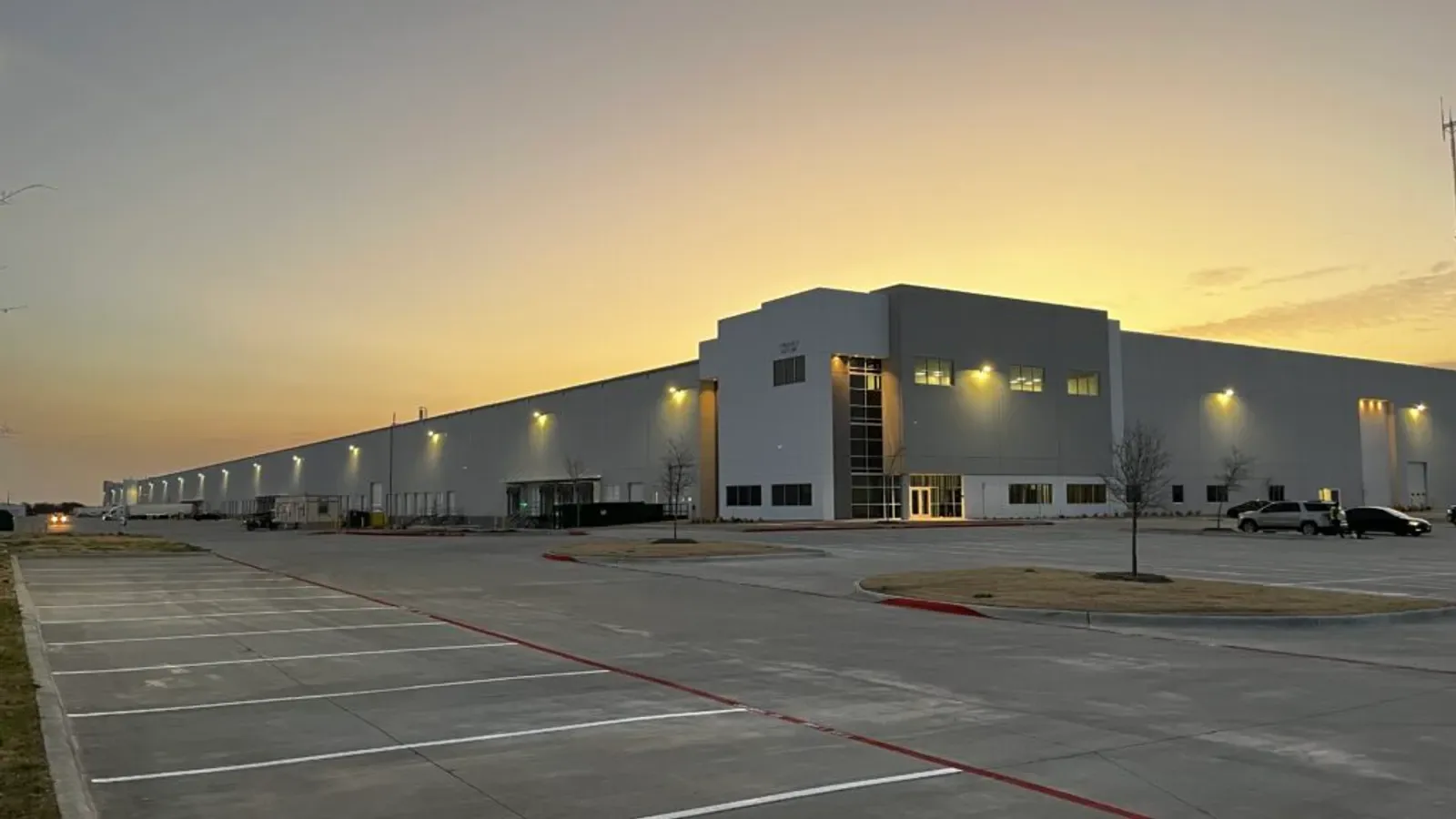
Manufacturing Plant Roofing
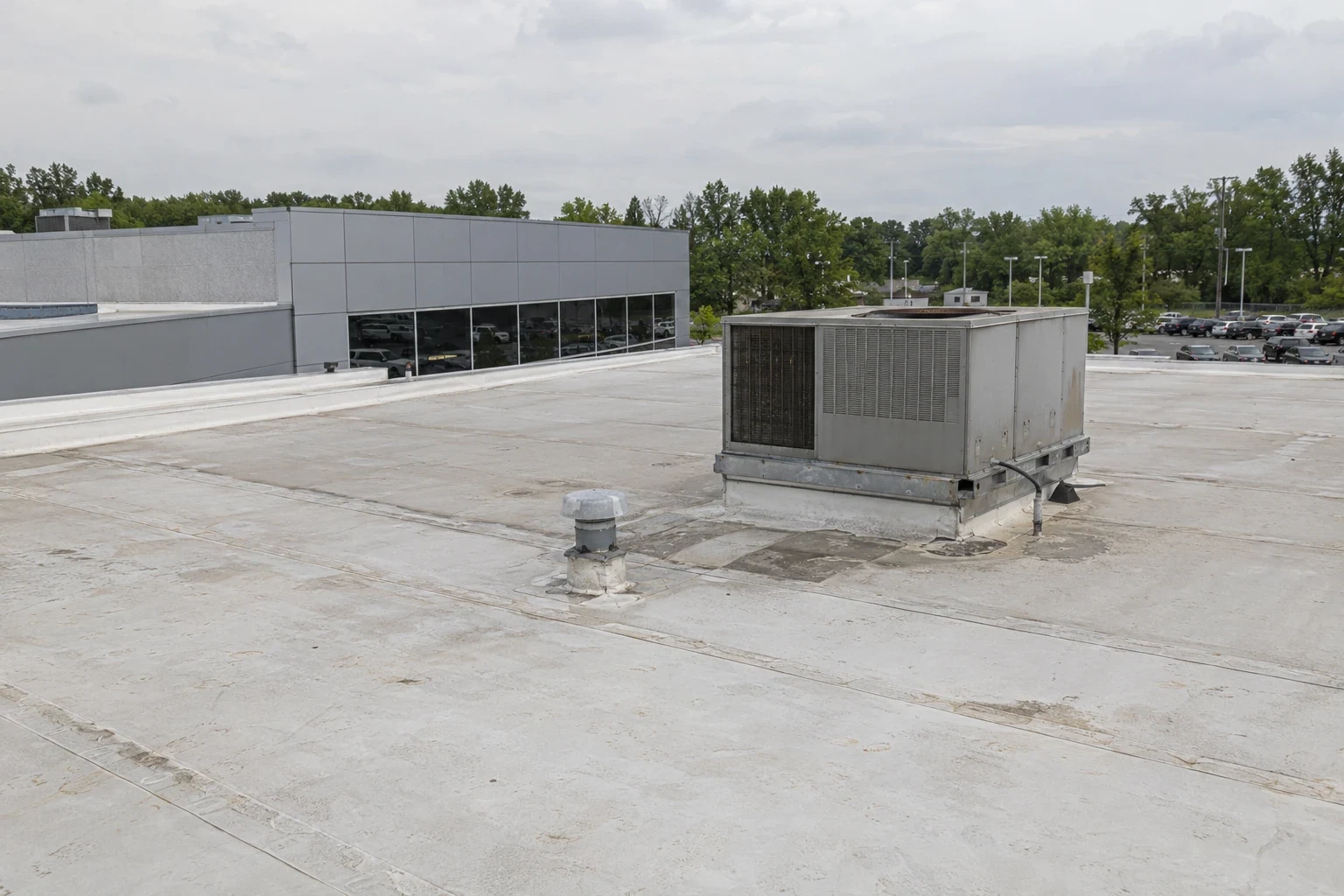
Auto Dealership Roofing
Government Building Roofing
Heat and UV Roof Damage Repair
Emergency Leak Calls
Call for a storm walk or budget review
Call before spring storm season or before your budget year closes. The walk pins down ponding lines, tie-ins and your repair-or-replace line, in writing, with a price on each side.