
Multi-Site Roof Programs
Multi-Site Roof Programs in Hoover, AL
One program across many buildings starts with one list and one calendar. Owners with several roofs in the Birmingham metro share one storm calendar. Severe thunderstorms come in spring and return in November and early December, and that calendar applies to Hoover, AL, and to the nearby cities where a portfolio often reaches, such as Pelham, Alabaster and Bessemer. A program that ranks every roof lets you send crews to the right one first.
A multi-site roof program is a way to manage that. We inventory each roof, rate it, price its options and put the whole portfolio on one schedule. Repairs go where the evidence says. Budgets go where the risk is. Call for a budget review and tell us how many buildings you hold, because the number sets the order of the first walk.
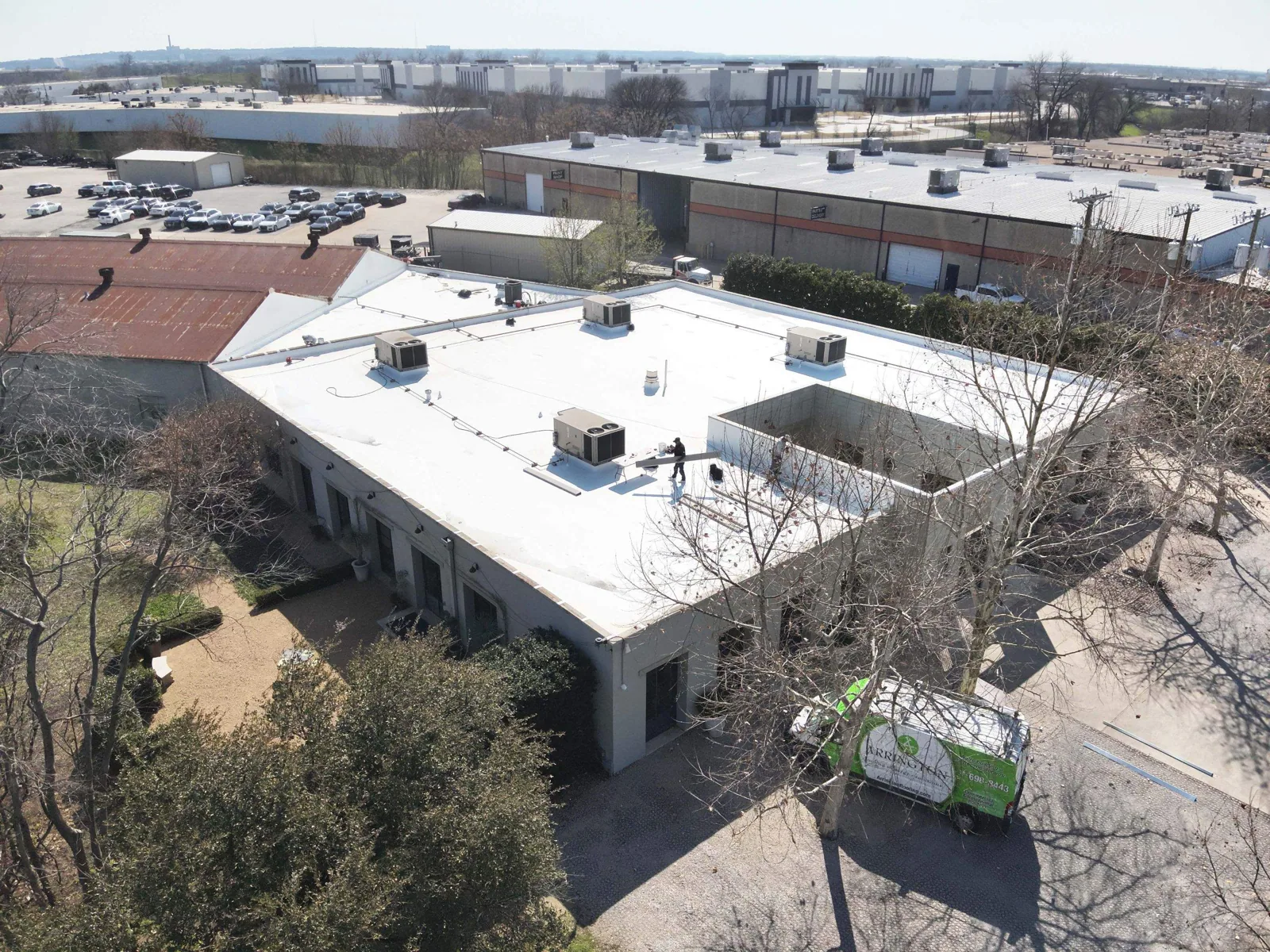
The structure: one list, one scale, one format
A program has three parts. A building list with every roof section. A common rating scale: sound, watch, repair, replace. A report format that is the same for every site. Same fields, same photographs, same cost table.
Why the sameness matters: you can compare. A manager can put two roofs side by side and see which one needs money first. A lender can read twenty reports with the same layout. A new employee can pick up the file without a tour. When a manager leaves, the portfolio does not leave with them. Each site also gets a one-line summary at the top, so a reader scanning twenty buildings sees the rating and the next decision date before anything else. The list also holds the facts that vary: warranty dates, access rules, tenant contacts and quiet hours. Those details get filled in at the first walk and updated after each visit. The roof asset management file is the backbone.
Ranking: where the first dollar goes
With a rated list, the order of work is plain. Roofs with active leaks go first. Roofs with wet insulation or failed flashing go next. Roofs with surface wear and dry layers go to a coating or maintenance list. Sound roofs get a re-check date.
Ranking can surprise, and it should. A list that only confirms what everyone assumed adds little. The oldest roof is not always the worst. A newer roof with a failed detail may leak sooner than an older one with a clean record. We rank by evidence: moisture, seams, flashing, ponds and deck. The result is a table you can defend to an owner or a lender. A roof capital plan turns the ranking into a budget by year, and the first year's money goes to the roofs closest to failing. Roofs that are sound stay on the list with a re-check date, so nothing drops out of sight.
The calendar: walks before storm season
Plan the main walk in late winter, when the roofs are dry and crews have open dates. Plan a second walk for early fall, ahead of the November storms. Add a quick check after any major storm, aimed at the roofs most exposed. Heat adds its own list for fall, because a Birmingham summer stacks up roughly two months of 90-degree afternoons.
For many sites, the walk is grouped by area to save travel. A day in the Riverchase area, a day on Highway 31 and Highway 150, a day in Pelham and Alabaster. The same crew sees the same buildings each time, which sharpens the comparison. A preventive roof maintenance visit can fold into the walk, so drains are cleared and small repairs made on the same trip.
Storm response: a plan before the front
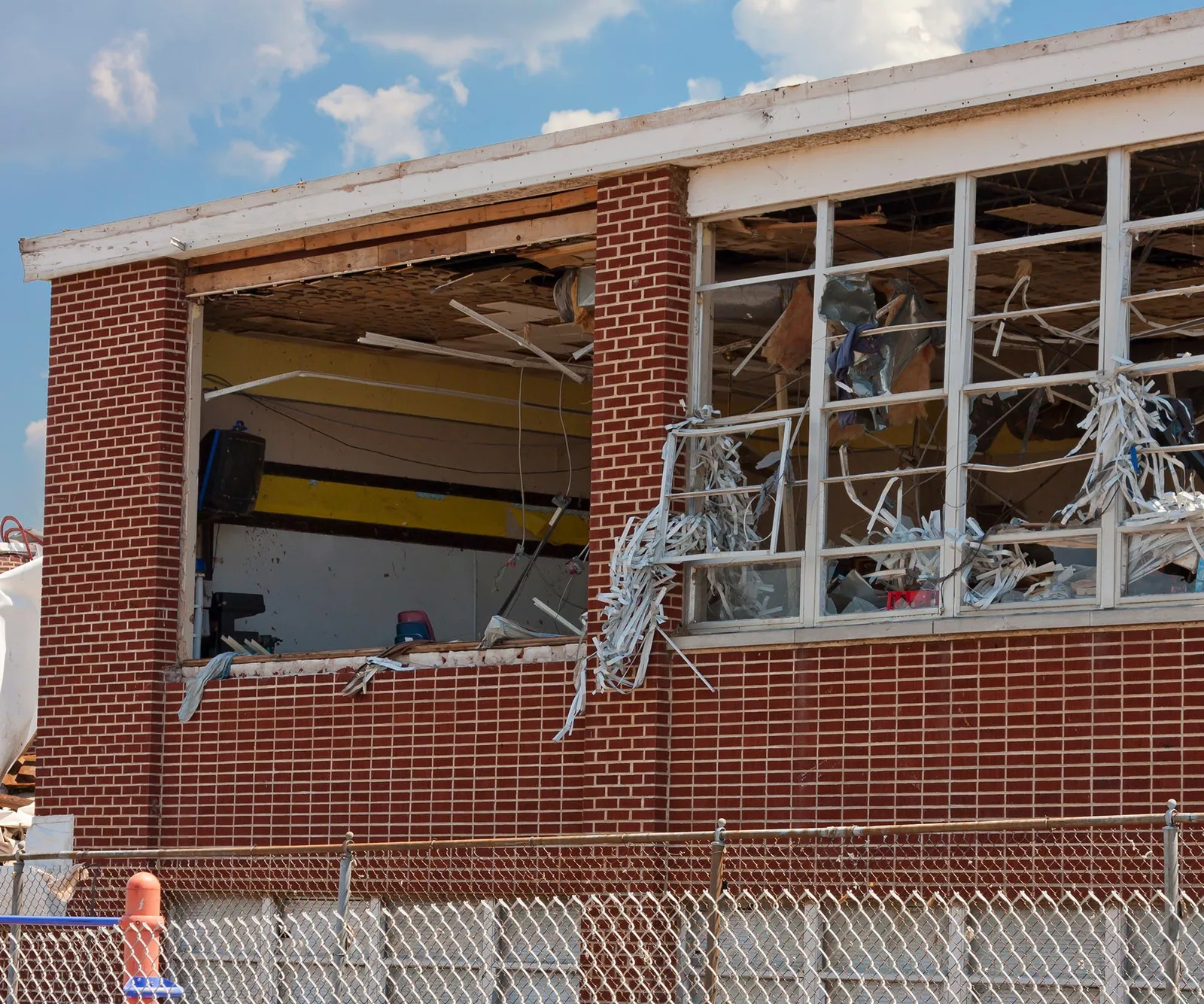
Storm claims cluster in March, April and November. A program has a response plan for those months. Each site has a contact, an access note and a priority. After a storm, we check the high-priority roofs first, tarp and dry what is open and document everything. The record from the last walk shows what changed. If a roof was rated watch in February and has a new stain in April, the file points to the same detail, and the crew goes straight to it.
This matters when many roofs are hit at once. A single owner with one call is in a long line, and a program with a ranked list is not. We cannot promise a time, because storm days are crowded, but the ranked list tells the crew where to go first. An emergency roof repair visit then does the cover, and the claim file starts the same day. Photographs from the program walk give the carrier a before picture.
What it costs: scale helps, but only if the file is kept
A program costs a walk per roof plus the time to keep the file. Grouping walks by area lowers travel. Common reports lower the reading time. Common prices for common repairs, such as a pipe boot or a curb flashing, lower the quoting time. These are real savings, but they depend on the file being kept current.
We price in two parts: the first inventory and the yearly cycle. The first is the larger. The cycle is shorter. We list what is included and what is extra, and we give a number before we start. If you want warranty tracking, add the roof warranty management checklist. If you want a transaction survey, add a due diligence report. Each is priced on its own. A program can start with the ten roofs that matter most and grow, and the price grows with it, not ahead of it.
More on Multi-Site Roof Programs
Local: who uses a program in this metro
Hoover's list of big employers runs from Regions Bank and Hoover City Schools to AT&T of Alabama and Walmart and Sam's Club, with Blue Cross and Blue Shield of Alabama in between, and Birmingham hosts several corporate headquarters besides. An organization with many buildings, a school system with many campuses or a retail chain with many stores gains from one program. Property managers who handle many owners do too.
Programs for Riverchase, Pelham and Alabaster sites use the same format, so a portfolio spread across the metro reads as one.
Commercial Roofing Questions
How many buildings do I need to start a program?
Two is enough to see the benefit, and more is better. A program is about consistency, not size. We recommend starting with the buildings that have the most open questions, then adding the rest in the next cycle.
Can a program include roofs from different manufacturers?
Yes. The file records what is on each roof, whoever made it. Mixed portfolios are normal. We read each warranty and match the visits to its terms, and the same rating scale works across all of them, so a manager can read every site the same way.
What if one site is far from the others?
We include it and schedule the walk with the nearest group. Distance adds travel, which we price. We recommend telling us at the start where each site is, so the first calendar groups them well.
Do you handle repairs, or only reports?
Both. The program produces the ranked list, and we make the repairs on the list. You can also take the list to another contractor. We recommend having one team do both, because the same people see the roof and fix it.
How do we get started?
Send the building list with addresses, any roof records and your budget calendar. We plan the first walks by area and return a ranked list. We recommend telling us your budget deadline, so the first deliverable arrives before the meeting.
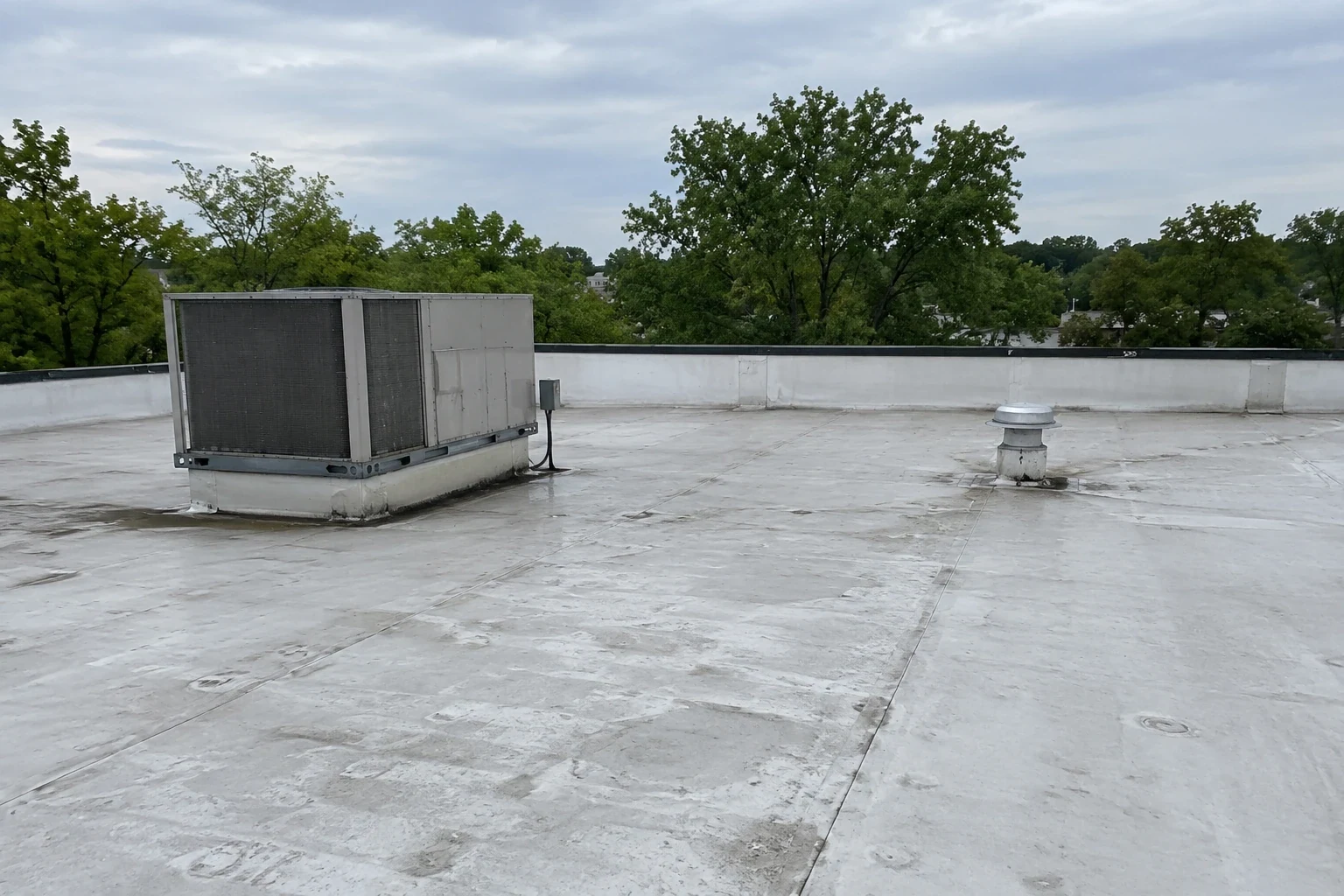
Related Roofing Work
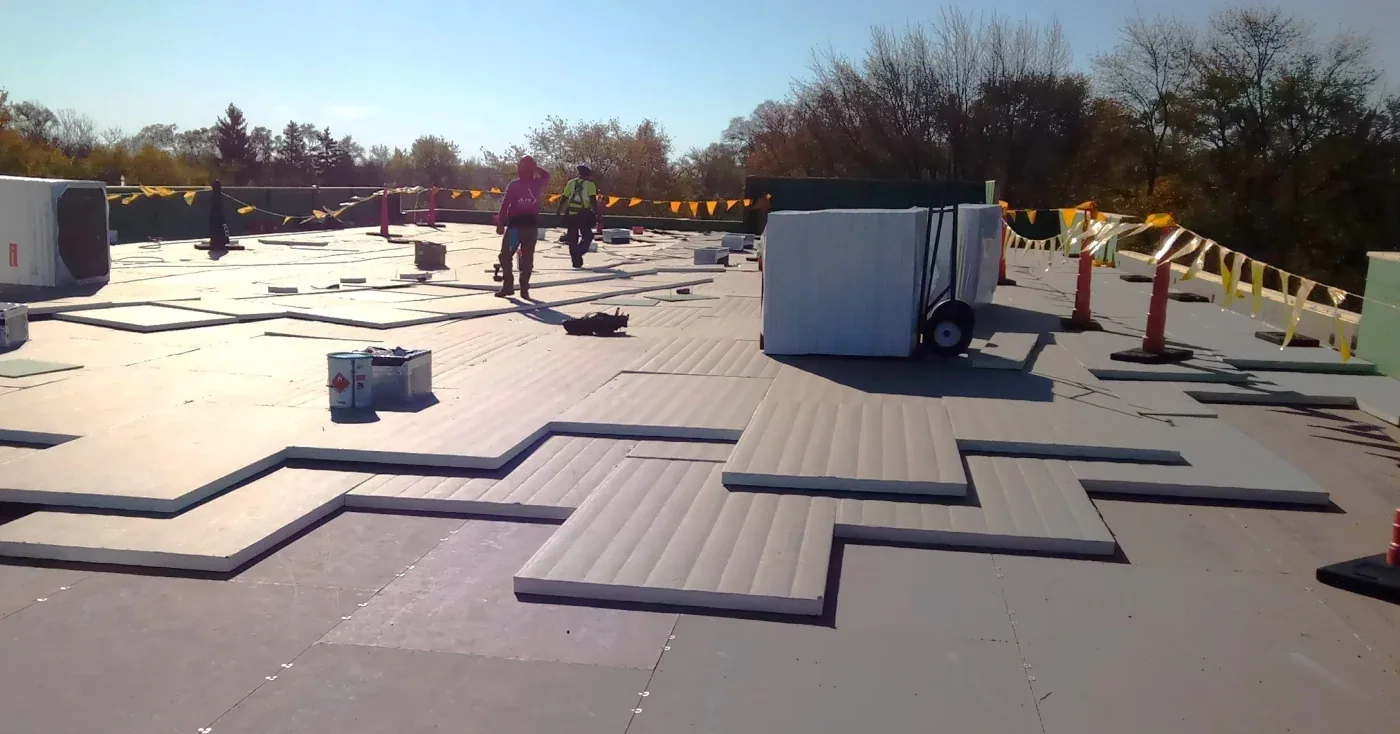
Roof Asset Management
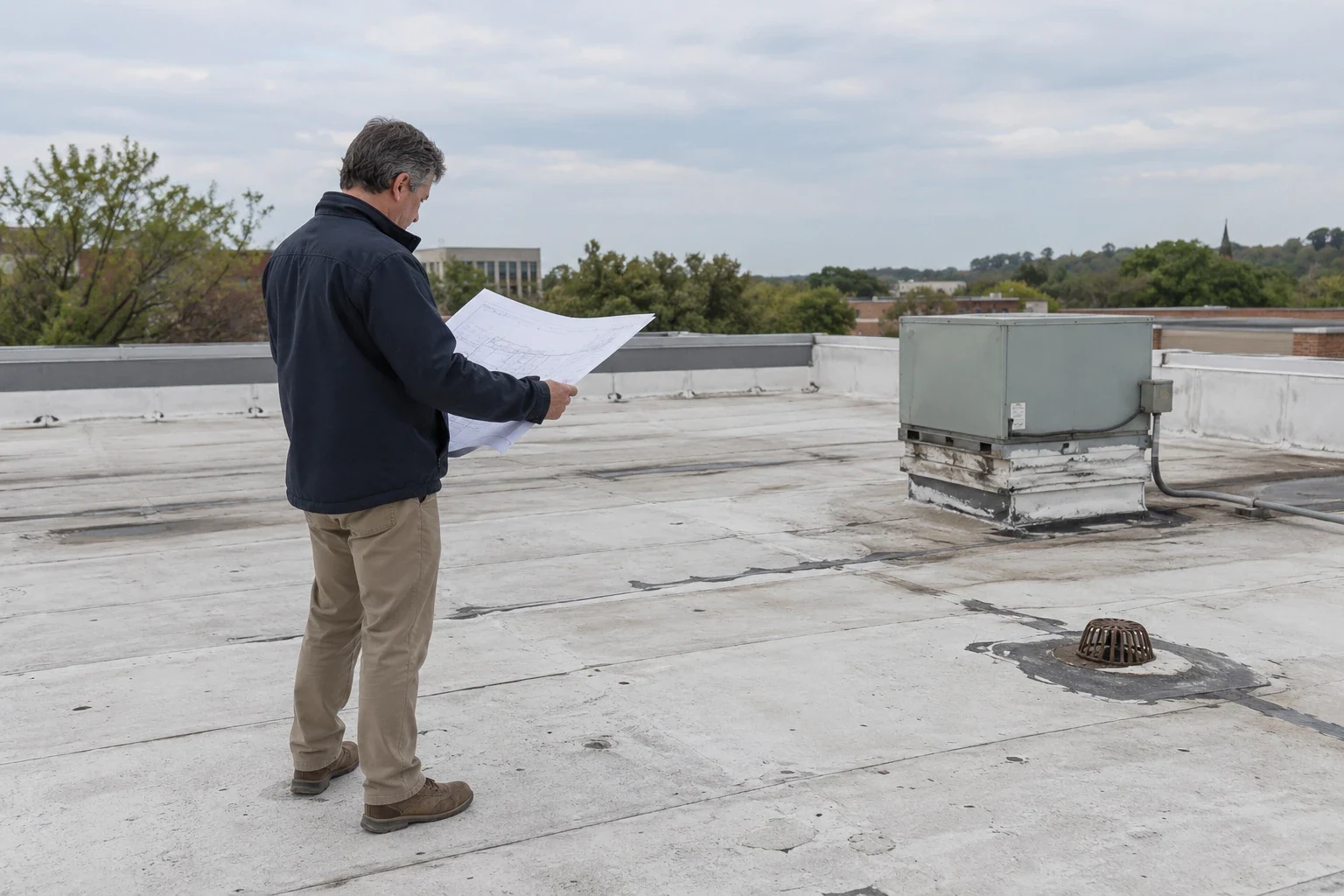
Roof Capital Planning

Preventive Roof Maintenance
Emergency Roof Repair
Emergency Leak Calls
Call for a budget review
Call with your building list and your budget dates. The review pins down the order of the first walks and the number the first ranked list will give you.