
Roof Insurance Claim Assistance
Roof Insurance Claim Assistance in Hoover, AL
The deadline on a roof claim is not the policy date. It is the day the evidence disappears. Tarps go on, debris gets hauled, and a roof gets patched. After that, the proof of what the storm did is gone unless someone photographed it first. In Hoover, AL, that day can arrive within a week of a spring storm.
Claim assistance means one job: build a file that an adjuster can check line by line. Dated photos. Moisture readings. A priced scope. Receipts for emergency work. We do not decide coverage and we do not argue with carriers. We make sure the roof tells its own story.
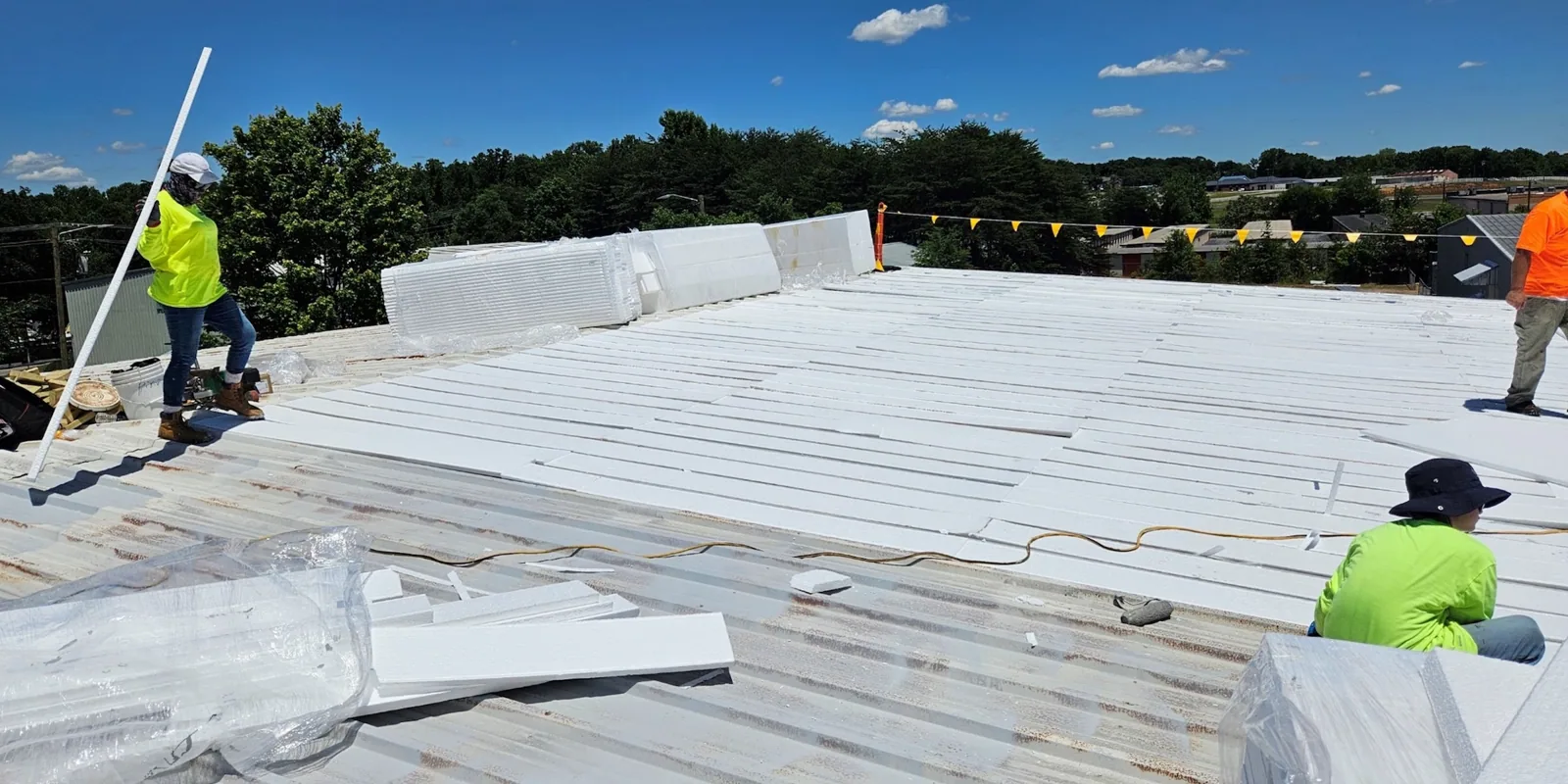
First step: photos before anything moves
Photograph the roof before a tarp, a patch or a cleanup. Wide shots first, then each damaged spot with something for scale. Add the ceiling and any wet stock below. Shoot the same spot twice, once wide and once close. Photos taken from the ground still help, since they show what the storm left in the lot. Note the time of the storm and the time you found the leak.
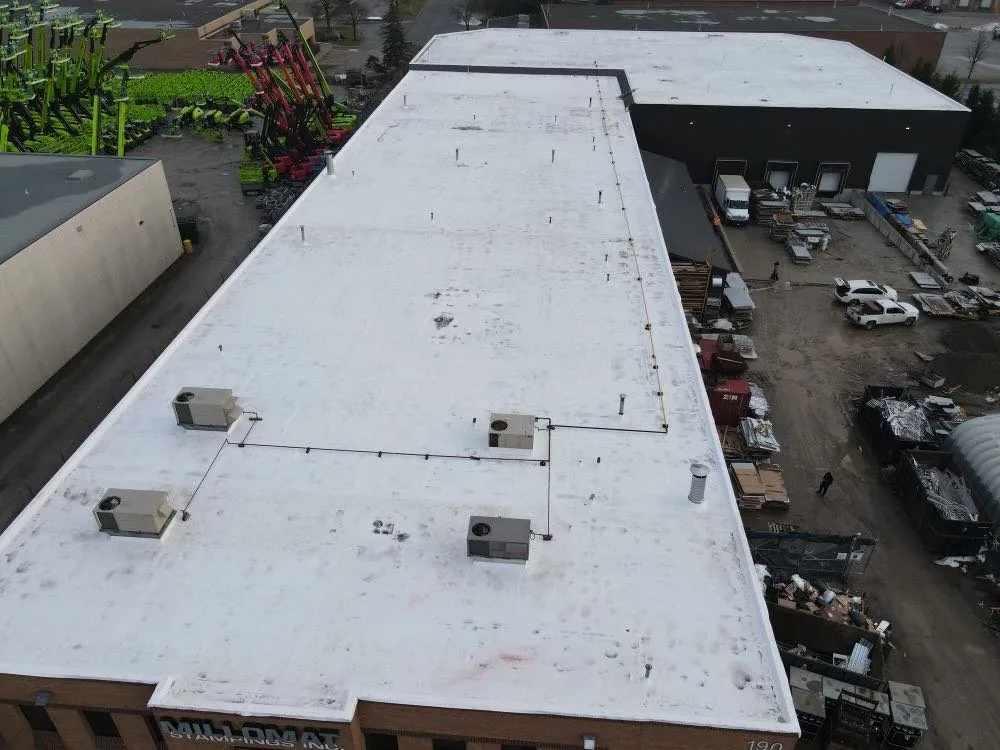
We do this on our first visit. Each photo gets a roof-section number, so the adjuster can find the same spot later. A drone pass helps on a large roof, because it shows the whole surface in one set of images. It also keeps crews off a dangerous roof until the safe route is known.
Then we protect the building. Emergency work is billed apart from the permanent repair. The adjuster should see both and understand the difference. Each emergency step carries a date, a place on the roof and a cost, so nothing has to be reconstructed later from memory.
Storm or wear: the line the carrier draws
Carriers pay for storm damage. They do not pay for old wear. Most roofs show some of both. The report separates them, spot by spot.
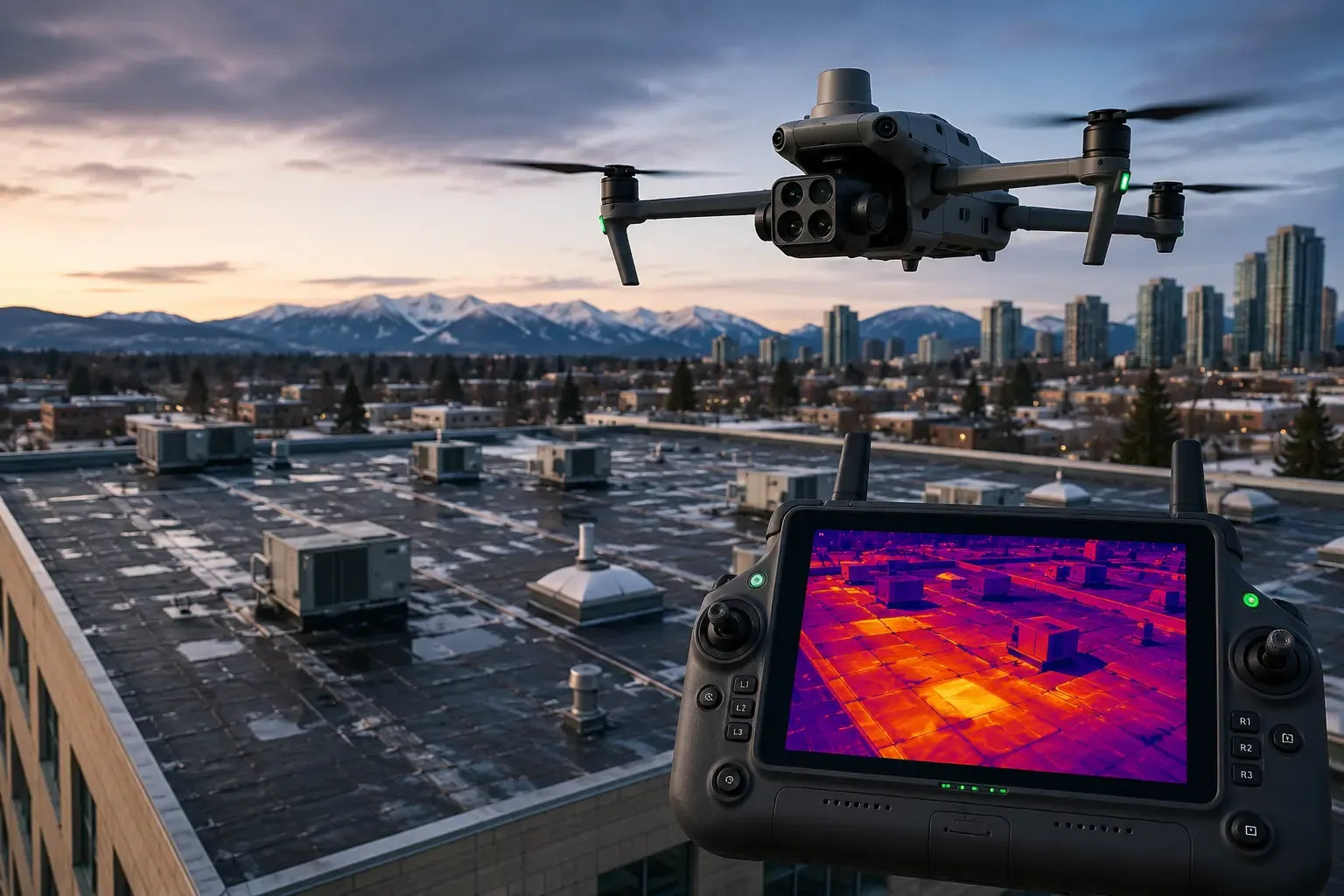
Hail leaves round bruises, cracked coating and dented metal, the signs that hail damage repair starts from. Wind lifts edges, strips flashing and peels membrane back from its fasteners. Tornado debris punctures and tears. Old wear looks different: dry sealant, rust, worn patches and ponding stains. Hail here can be serious: softball-size stones fell across central Alabama in April 2003. We know what a hit looks like, and we mark it. A moisture scan from an infrared survey shows where water has spread under the surface.
When we are not sure, we say so. A spot we cannot place goes in a third group, labeled unknown. A claim that holds up under review serves the owner better than a stretched one.
The scope: lines an adjuster can test
A good scope lists each repair by roof section. Each line has a method, a quantity, a material and a price. Access, disposal and permit costs sit on their own lines. Optional upgrades are grouped apart from storm repairs.
If the damage is wide, we price two paths in one table: repair and replace. The adjuster sees both. The owner sees the years each buys. A storm damage repair scope and a replacement scope can use the same photos, which keeps the file clean.
Hidden damage is common. Wet insulation under a dry-looking membrane is the usual surprise. We write unit prices into the first scope, so a supplement is a quantity, not a new negotiation.
The adjuster visit
We meet the adjuster on the roof if the owner agrees. Someone brings the key, the ladder route and fall protection. We walk each marked spot and answer questions on method and cost. Notes from that visit go into the file. We write the next step and the date it will happen at the end of the visit, before anyone leaves the roof. The owner gets a copy that day.
If the adjuster disagrees with a line, we narrow the disagreement. Is it quantity? Method? Cause? Each has a fix: re-measure, show the manufacturer detail, or compare photos. A dispute that is down to one line is much easier to settle.
Keep every invoice and email. The carrier may ask for them months later. Label each by date and roof section. A file that is easy to read gets read sooner.
Code upgrades and the energy standard
Some repair costs come from code, not the storm. The adopted building code is the 2021 International Building Code, effective July 1, 2022, and March 2025 amendments pulled in parts of the 2024 edition. On energy, Alabama follows ASHRAE 90.1-2013 for commercial buildings, and the rule applies statewide. A big repair may trigger upgrades such as added insulation. We check the local building office and show those lines in the estimate as code items, not storm items. Some policies pay for code upgrades and some do not. Read yours. Ask the carrier in writing which items it counts as code upgrades, and keep the answer in the file.
More on Roof Insurance Claim Assistance
Timing: when claims cluster
Storm claims bunch in March, April and November. Adjusters get busy. Crews get busy. Materials get tight. An owner who has a roof file ready, with dated photos and a scope, moves faster.
Do two things before storm season. Order a baseline walk, so the roof's condition is on record. Then keep that report with the policy, in a place the whole facility team can find it. When a storm comes, the before-and-after pair is the strongest proof you can have. A yearly maintenance record does the same job.
Local: claims along the corridors
Commercial roofs in Hoover follow a few main roads. US 31 runs north-south through the city, US 280 runs through the east, and SR 150 runs east-west. I-65 and I-459 cross inside the city. A storm that crosses those roads can touch many roofs at once. In Riverchase, large corporate tenants in office parks share the same sky as the Galleria complex, and a hail pass can affect them together.
Along Highway 150, Patton Creek, a shopping area, and the Hoover Met complex near I-459 Exit 10 share the same storm season. A claim file built the same way for each building lets an owner or property manager handle several at once.
Commercial Roofing Questions
Do you work for the owner or for the insurance company?
For the owner. We document the roof, price the repair and answer the adjuster's questions. The carrier decides coverage. We keep the file honest so that decision is made on facts.
Should I file a claim if I am not sure it is storm damage?
Get a walk first. A short inspection tells you whether the damage looks like a storm hit or old wear. If it is storm damage, file promptly. If it is wear, the repair may cost less than your deductible. Our advice is to take the walk before the call to the carrier.
How long do I have to file after a storm?
Read the policy. Many have time limits, and some are short. Do not wait. Photos and a first report should happen within days, and the claim should follow.
What if the carrier offers less than the scope?
We find the lines that differ. Then we compare photos, readings and manufacturer details. Often the gap is one item. If the gap stays, the owner decides whether to repair in stages or press the point.
Are tarps and dry-out part of the claim?
Usually, yes, as mitigation. Keep receipts and photos. Itemized invoices with dates are best. Your policy sets the limits, so check it.
Related Roofing Work

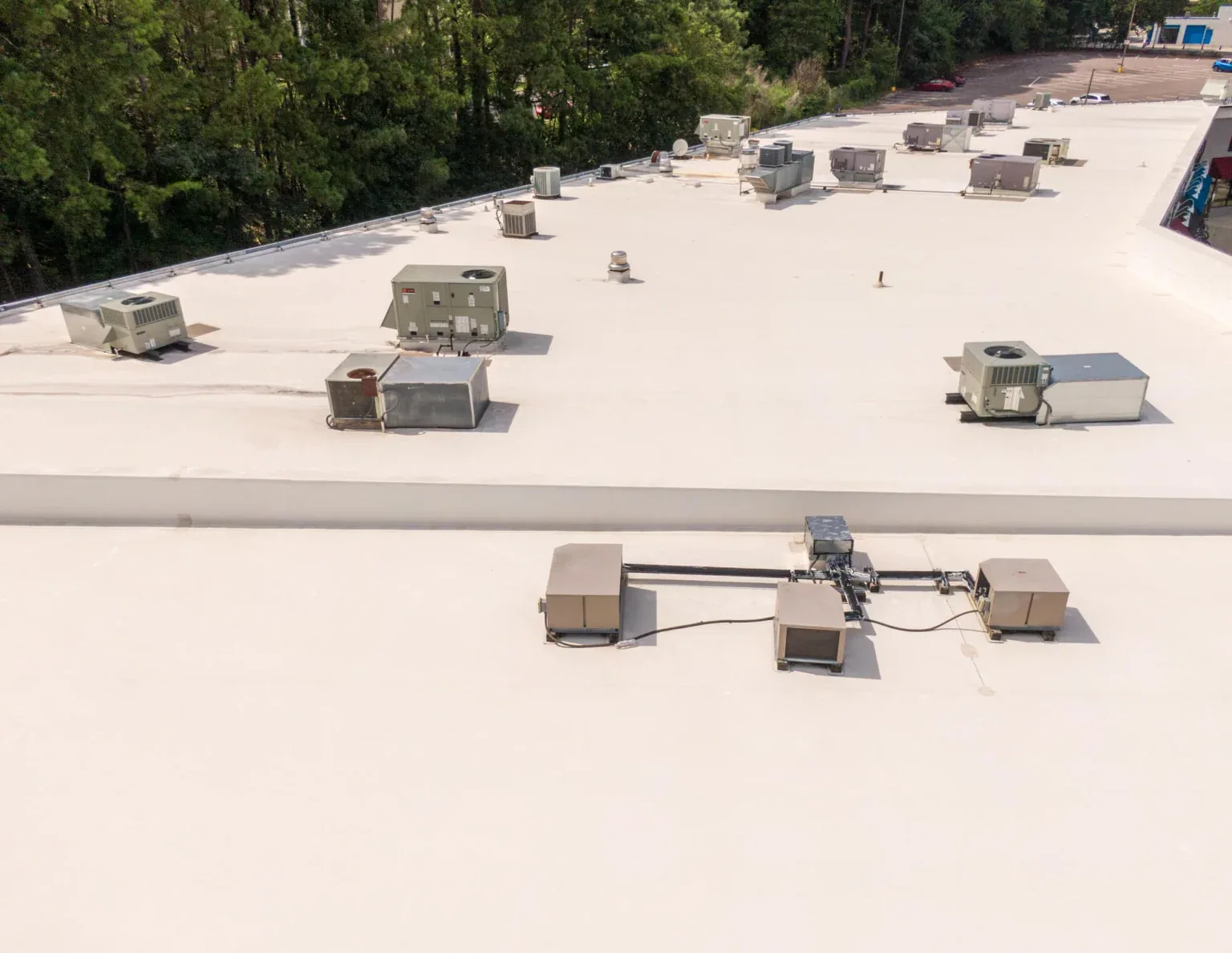
Hail Damage Roof Repair
Infrared Moisture Survey
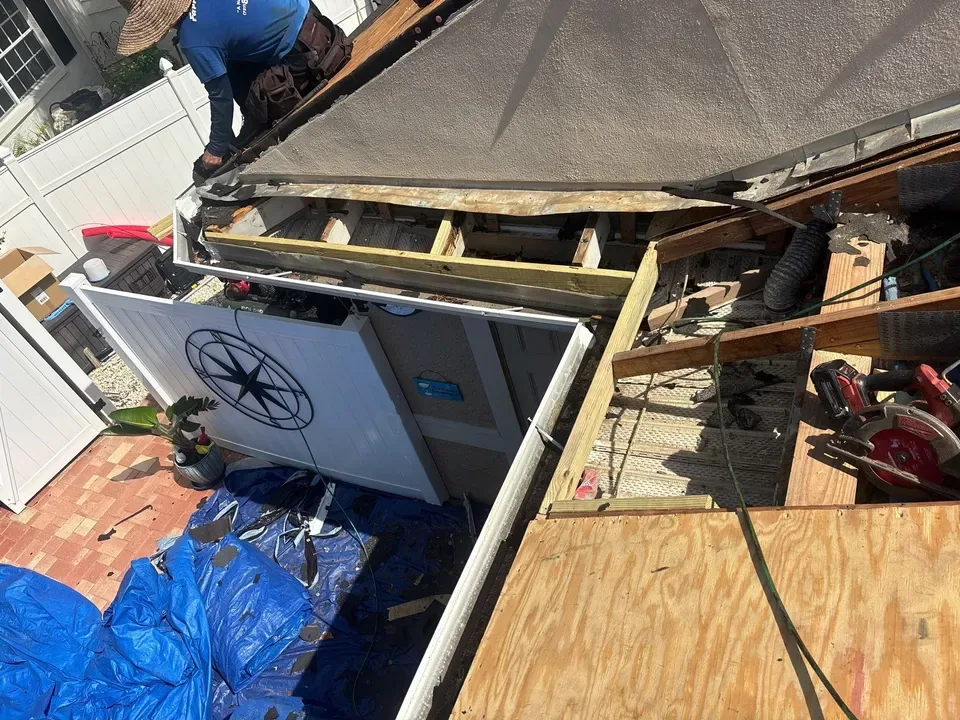
Storm Damage Roof Repair
Commercial Roof Replacement
Emergency Leak Calls
Call for a storm walk or budget review
Call and we will walk the roof, photograph it and mark storm damage apart from wear. The visit pins down the claim scope and the date the file will be ready for the adjuster.