
Fire Damage Roof Repair
Fire Damage Roof Repair in Hoover, AL
After a fire, the clock on the roof runs against the next rain. The Birmingham area collects about 56.6 inches of precipitation a year, and Hoover, AL gets severe thunderstorms in spring and again in November and early December. A roof that lost its membrane or deck to fire is open to every one of those storms until it is covered. The fire bill is one number. The water bill after it can be a second.
Fire damage is a sequence. Make it safe. Cover it. Document it. Repair it. Skip a step and cost climbs. We start with a tarp-and-dry, then walk the roof with the deck in mind, and give you a repair-or-replace line in writing. Call for a storm walk or budget review, and tell us the date of the fire, because that date drives the paperwork.
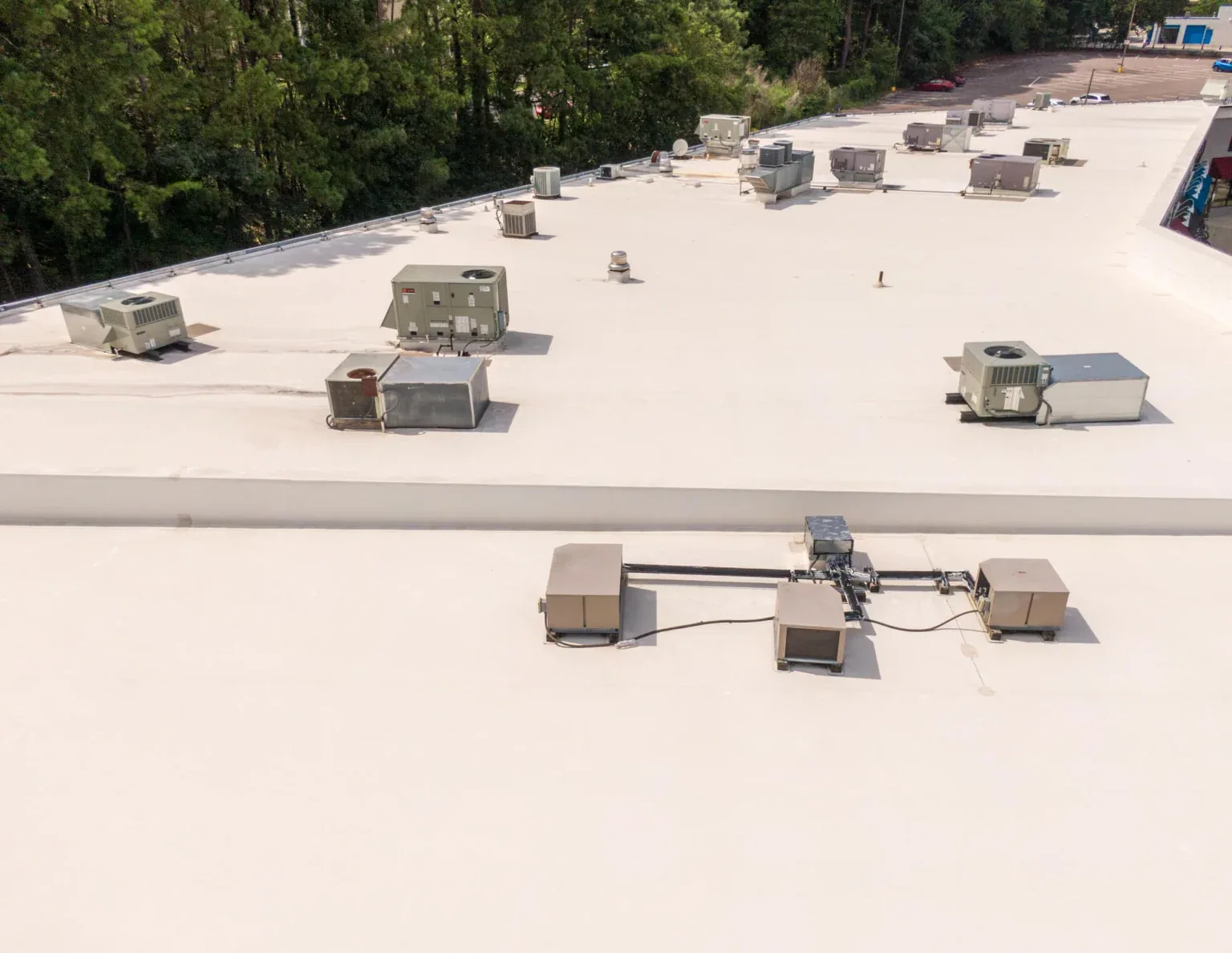
The issue: what fire does to a roof
Fire does more than burn a hole. Heat melts or shrinks the membrane across a wide area. It chars the deck, distorts the insulation and loosens fasteners and flashing. Smoke and soot coat the surface. Water from firefighting runs into the layers and stays there.
That water matters as much as the flame. Insulation holds it against the deck for weeks, and a deck that stays wet begins to rust or rot. A burned roof that looks finished from the ground can still be soaking underneath, so we plan the scan before the new roofing is ordered.
The damage often reaches past the visible burn. Insulation can shrink or char under a surface that looks fine. A steel deck can warp from heat without any flame on top. A deck that has lost strength is a safety problem for the crew and a structural question for the owner. We do not walk a fire-damaged roof until it is cleared. A structural review comes first when the deck is in doubt, and we follow the engineer's findings.
First days: cover, dry and document
Call us once the fire department releases the building. Once the roof is safe we get up, cover open areas and clear standing water. A tarp-and-dry is temporary, but it limits further damage. We secure it against wind, because storm fronts often come in groups.
Photographs start on day one. We shoot the roof, the burn pattern, the interior below and any equipment affected. Each view is numbered and timed. Keep your own photos too. A carrier will want a timeline. An emergency roof repair visit gives you the cover and the first set of records at once. Then the permanent scope follows once the building is released and the deck is checked.
Assessment: deck, insulation and moisture
We look at the deck first. A steel deck is checked for warping, section loss and loose fasteners. A wood deck is checked for char depth and softness. Concrete is checked for spalling and cracking. Then we look at insulation. Charred or shrunk boards come out. Wet boards come out. Dry, firm boards may stay.
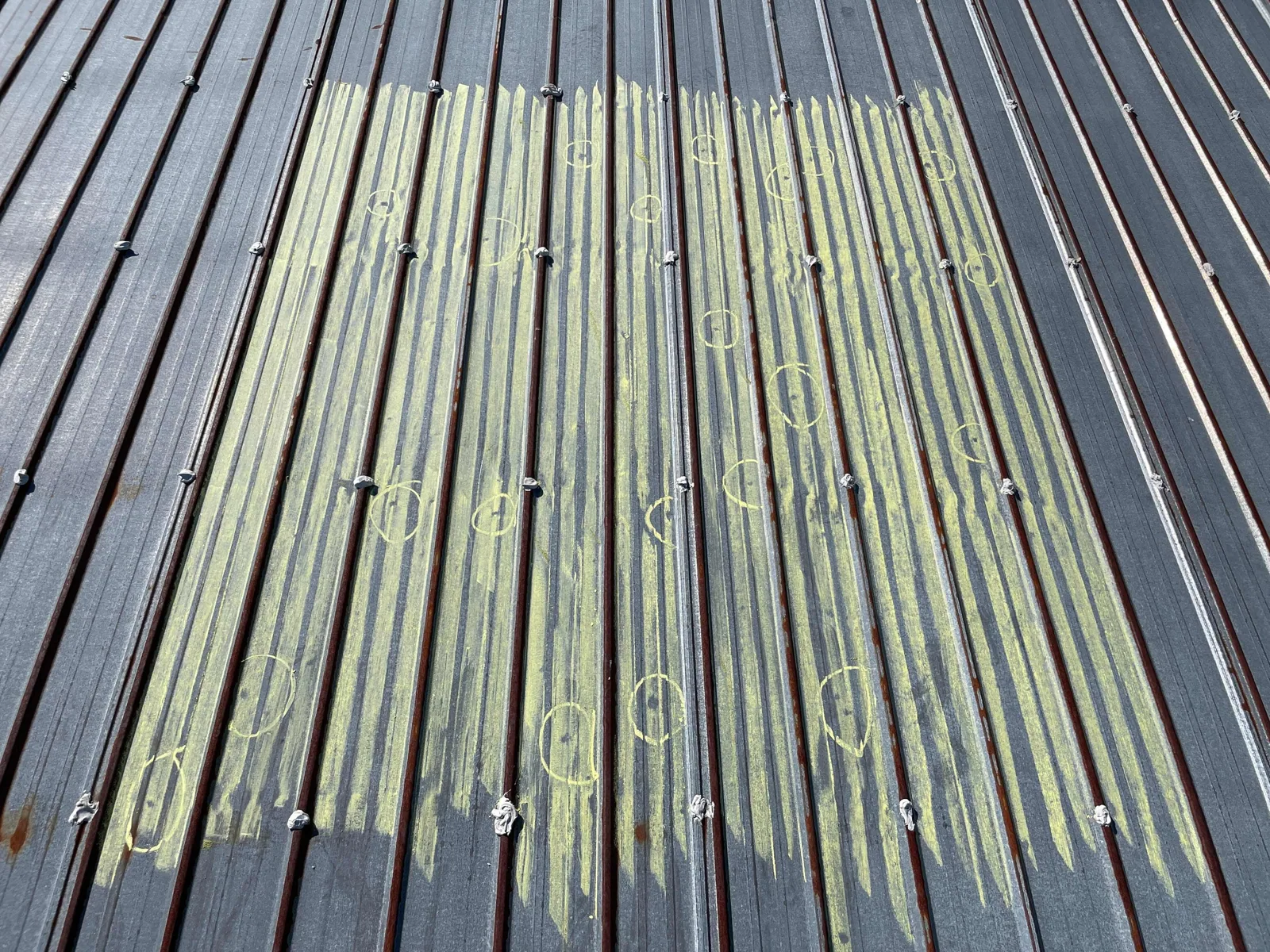
A moisture scan maps the water that firefighting left behind. An infrared moisture survey shows wet areas without cutting the roof, and a core cut confirms the layers where the scan is unclear. We size the repair from that map. Cutting too little leaves wet insulation under new roofing. Cutting too much spends your budget on sound material. The scan sets the size.
The claim: what the carrier will ask for
A fire claim runs on paper. The carrier asks for the date, the cause if known, photographs, a damage scope and a repair estimate. The roof report numbers each item, includes a plan marking burned, heat-affected and wet areas, and carries a scope with line items. Claim documentation keeps that file in order.
We do not set coverage. That is between you and the carrier. We separate what the fire damaged from what was already worn, because both appear on a burned roof and the claim covers one of them. Hold on to removed material until the adjuster has looked at it. Send us the policy deadlines you are working against, and we will plan the repair schedule around them.
What it costs: stage it
Fire repair is priced in stages. Stage one is cover and dry. Stage two is deck repair or replacement where needed. Stage three is insulation, membrane, flashing and edge. The deck is the swing item. A sound deck keeps stage two small. A weak one changes the whole bill.
We list each stage with its own price, so you can see what moves the number. Code can add cost. A rebuilt roof answers to current code: the 2021 International Building Code (July 1, 2022 effective date, with parts of the 2024 edition adopted in March 2025) plus the ASHRAE 90.1-2013 energy standard. A roof replaced down to the deck may need to meet insulation requirements the old roof did not. We confirm what applies before we price.
More on Fire Damage Roof Repair
Where it shows up: kitchens, equipment and the Galleria side
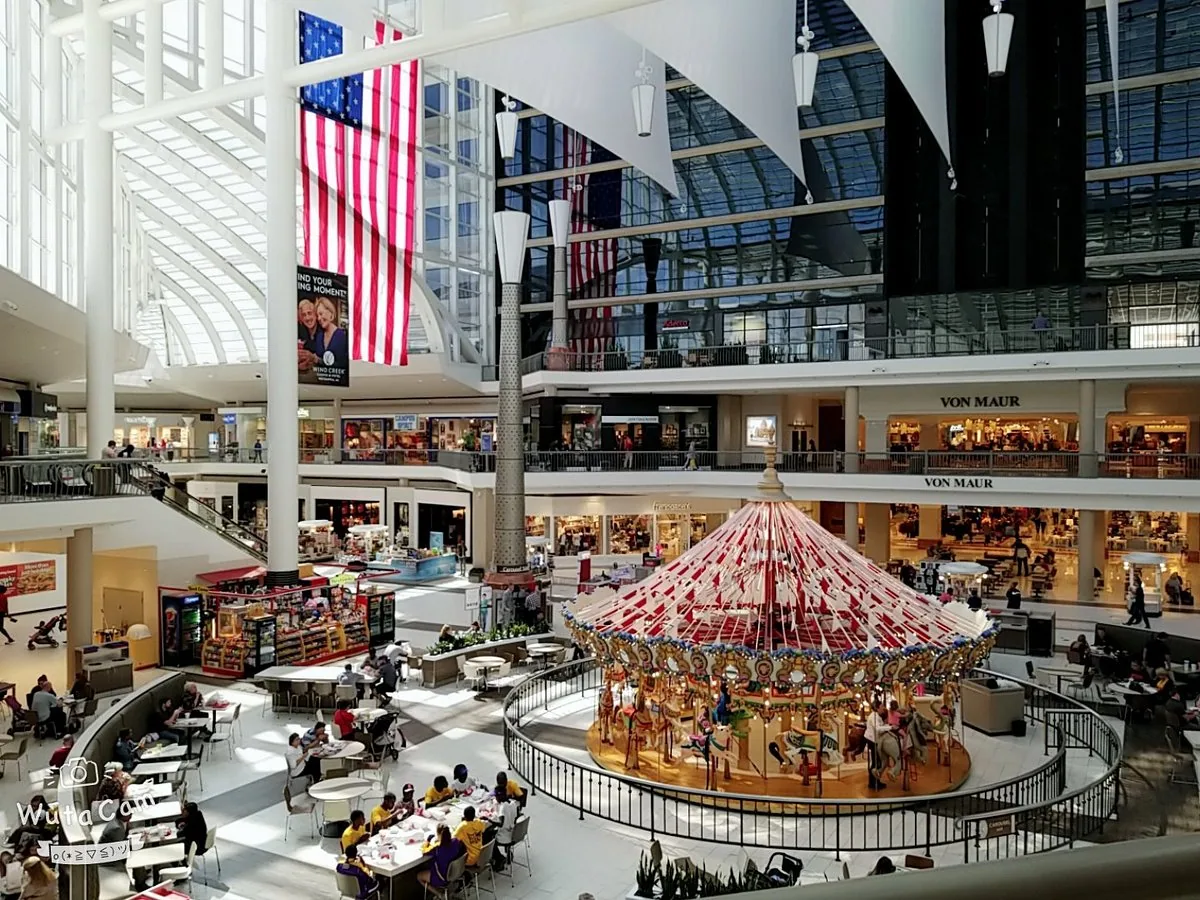
Fires reach roofs through exhaust fans, rooftop units and kitchen vents, and sometimes from the building below. Shopping, a hotel and offices share the Riverchase Galleria on Highway 31, and a roof that carries kitchen exhaust and rooftop units has more places for a fire to start than a bare one. We read each roof as it stands. Roofs in Riverchase and Pelham get their exhaust paths and the grease on the membrane near them checked.
If the fire came with a storm, wind damage repair may join the same scope. If heat has aged the surface, heat and UV damage repair is a separate line. We keep the lines apart so the claim stays clean. Each line gets its own photographs, its own dimensions and its own price, so the carrier, the owner and the crew are all reading the same page.
Commercial Roofing Questions
How soon can the roof be covered after a fire?
As soon as the fire department releases the building and the roof is safe to walk. We recommend calling the day of the release. We tarp, dry and photograph the same visit, and we tell you what the temporary cover will and will not do. Delay costs more, because rain finds the open deck.
Can a fire-damaged roof be repaired, or does it need replacing?
Either, depending on the deck and the insulation. A sound deck with limited char can take a section repair. A warped or weakened deck, or widespread heat damage, points to replacement. The deck check and moisture scan draw that line, and the results are shown to you before we price.
Does smoke damage the roof?
Soot and smoke can stain and coat the membrane, and some residues affect adhesion. Most smoke damage is on the interior, but we check the roof surface and rooftop equipment. If a membrane is coated with residue, we clean a test area before deciding whether the surface can be repaired or needs replacement.
What should I keep for the insurance claim?
Keep photos, the fire report, removed material, receipts for temporary work and all emails with the carrier. We recommend one folder for everything. We add the roof report, the plan and the scope, so the roof section of the file is complete.
Will a fire repair require a permit?
Often yes, especially if the deck or structure is involved. We confirm the permit path with the city before the scope is final. The state code is the 2021 IBC with amendments, and the local office confirms the edition that applies.
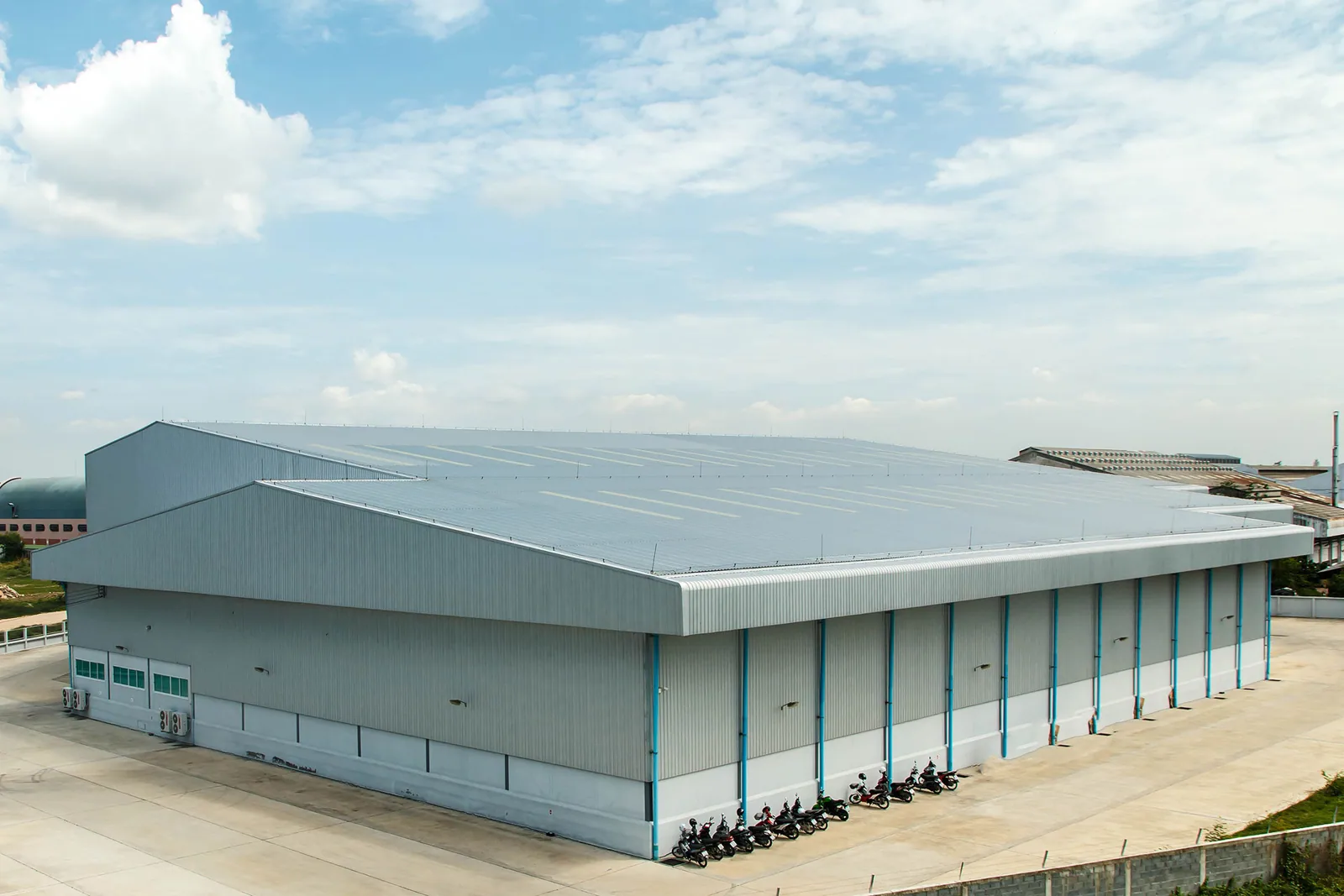
Related Roofing Work
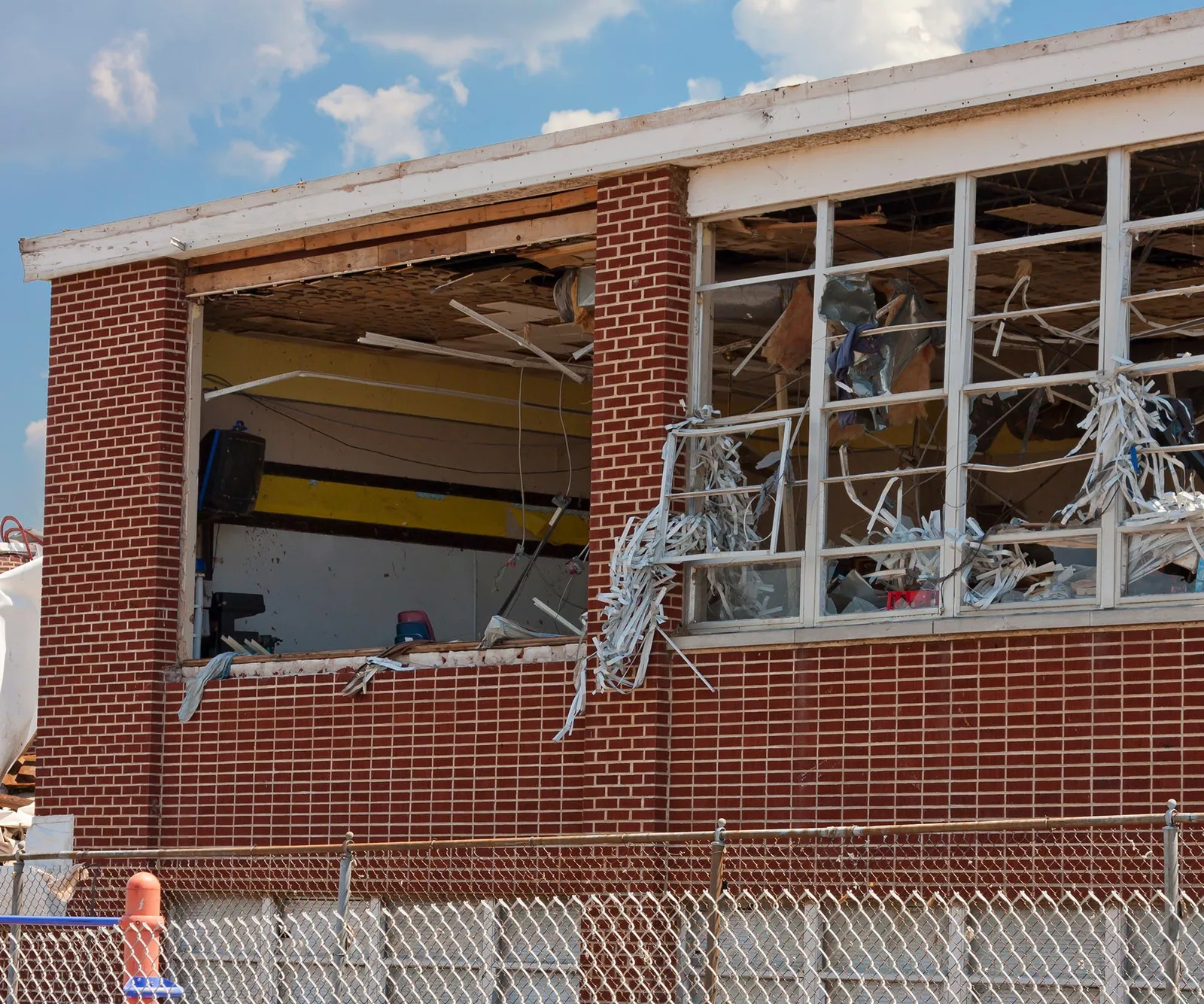
Emergency Roof Repair
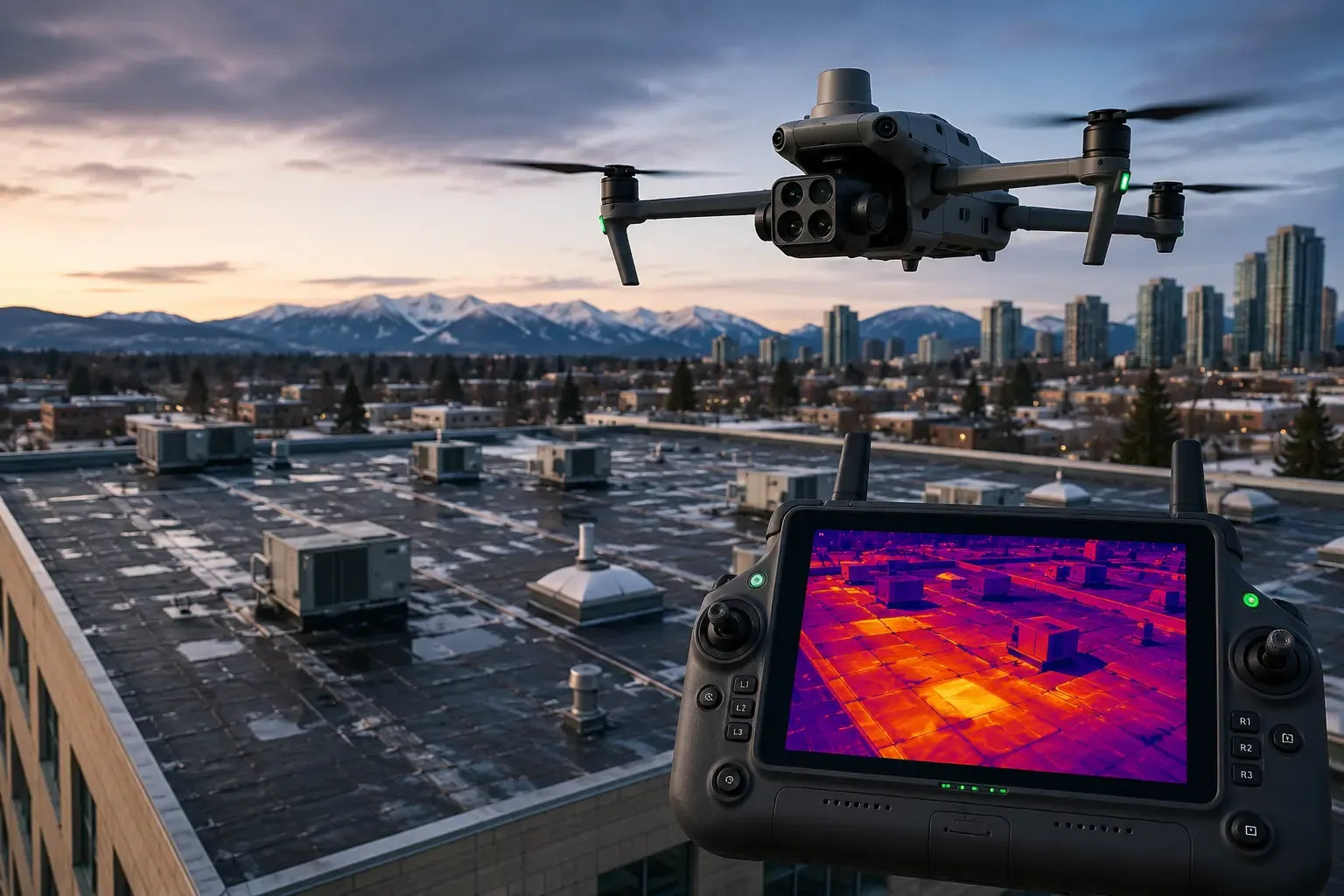
Infrared Moisture Survey
Roof Insurance Claim Assistance
Riverchase
Emergency Leak Calls
Call for a storm walk or budget review
Call as soon as the building is released. The first visit covers the roof, starts the record and pins down which stage comes first and what each stage costs.