
Insurance Adjusters and Restoration Firms
Roofing for Insurance Adjusters and Restoration Firms in Hoover, AL
Commercial storm claims in Hoover, AL cluster in March, April and November, and an adjuster with a full docket needs the roof facts in a form that can be checked line by line. That is the timing fact behind our storm work. Low-slope and metal roofs are repaired, recovered or replaced, and storm damage is documented for adjusters and restoration firms with dated photos, moisture readings and a scope that separates storm damage from older wear.
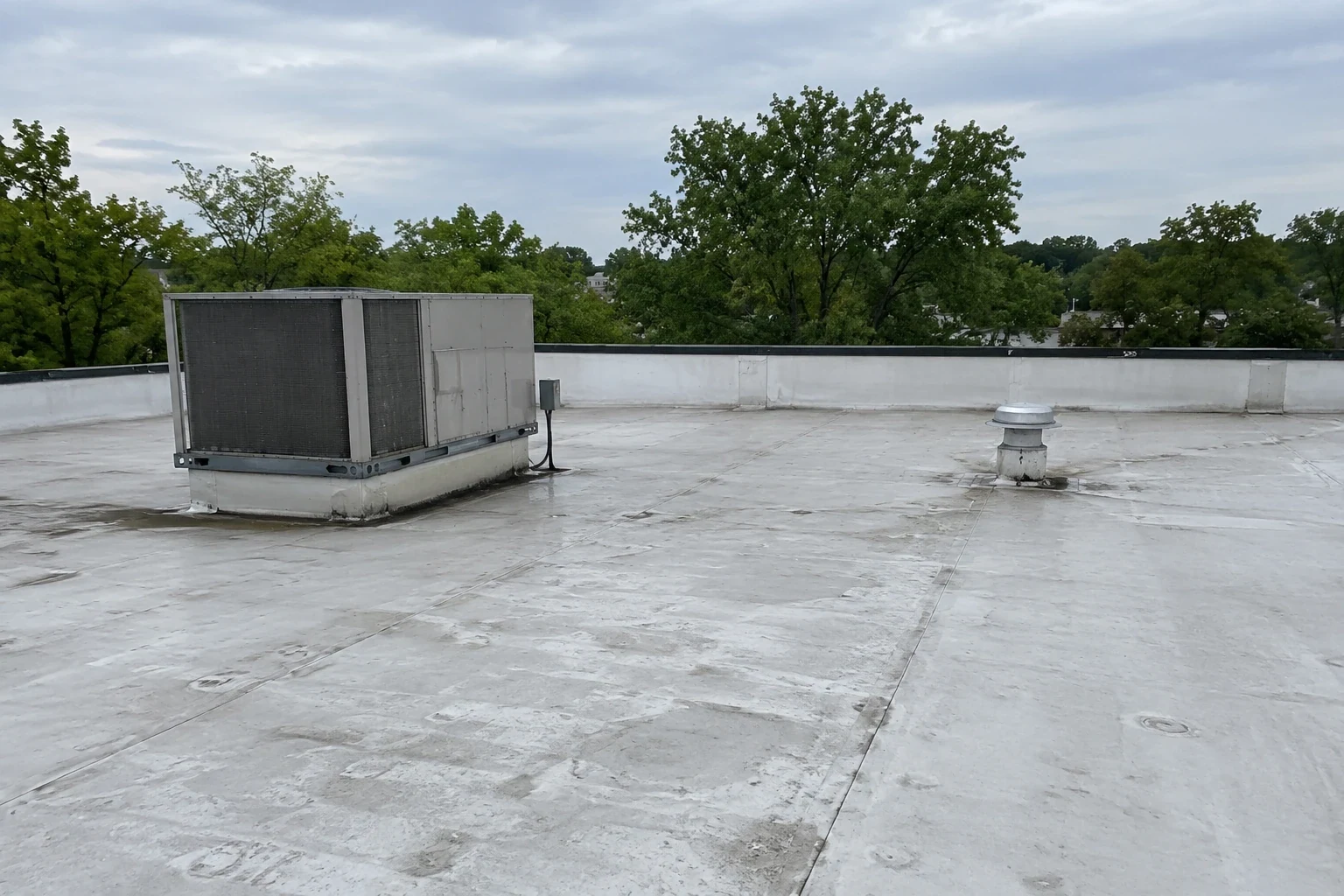
The issue: sorting storm damage from wear
Every roof has wear. Every storm adds something. The question for a claim is which is which. A bruised membrane, a dented flashing and a torn seam may be new. A cracked boot, a worn path and a dry sealant may be old.
Without a baseline, the sort turns into an argument. With dated photos from before the storm, it turns into a comparison. So we encourage owners to keep a baseline. When they do not, we say what we can see and what we cannot.
We do not decide coverage. The carrier does. The file should carry enough detail to be checked.
Restoration firms face a related problem. They arrive after the storm, take over the interior, and need the roof status fast. We hand over the roof plan, the photo set and the scope on day one, so the firm does not guess whether the roof is sealed.
What we find: hail, wind and water
Hail leaves bruises, cracked coating, dented metal and punctures. From the ground, you often cannot see them. A close walk shows the pattern. Hits that run in one direction across the roof suggest a single event. Scattered marks of different ages suggest older damage.
Wind lifts edges, tears seams and shifts equipment. We look at edge metal, caps, termination bars and the first rows of the membrane at corners. Water shows up as wet insulation, stained decks and ponding. A moisture scan maps wet insulation. A core cut confirms it.
Each finding gets a photo, a number on the roof plan and a note. We sort them into storm damage, older wear and unknown. We do not guess about the unknown group.
Age shows in details. Granule loss on a cap sheet, chalking on a single-ply surface, rust at fastener plates and cracks at seams all take years. Fresh punctures, clean tears and shiny dents do not. We note the signs of age beside the signs of impact, because the sort depends on both.
Storm season: what the record shows
The weather record that claims depend on reaches back to the F5s of 1977 and 1998 and forward to the EF4 on April 27, 2011, with the 1998 and 2011 storms both striking the Hueytown and Oak Grove area. Central Alabama's April 25, 2003 hailstorm produced softball-size stones, and 2003 logged 29 hail days above 0.75 inch. March and April carry the peak, and the season returns from November into early December.
Those dates help a file. A claim that names a storm date can be checked against the weather record. Repair work begins with a tarp-and-dry and a dated photo set, and storm damage roof repair then builds the file as the work goes.
Records at the carrier's end matter too. A roof with a recent inspection report is easier to read than one with none. We suggest owners keep a spring baseline and a fall check on file, and we date them.
When to do it: the first 48 hours and the first week
In the first 48 hours, stop the water. Tarp and dry the building. Move stock out from under leaks. Take photos of the ceiling and the roof from the ground. Write down the time the leak started.
In the first week, walk the whole roof. Look at the field, the edges and every tie-in. Take dated photos. Scan for moisture. Write a scope. Keep every receipt, including the tarp.
After that, the carrier decides the pace. Claim documentation helps the owner present observed conditions clearly, and it promises no outcome. Calls are answered overnight and on holidays.
Do not rush the permanent repair. A good temporary cover buys time to get the scope right, get the carrier's review done and order materials. Rushing a permanent job in a hot market locks in a high price and a thin crew.
What it costs: temporary now, permanent later
Billing falls in two stages: emergency protection first, then the permanent repair, whose size follows the roof's area, type and wet insulation.
One puncture in dry roofing is a patch, a torn area over wet insulation means replacing that section, and a field bruised end to end can mean replacing the roof. Each gets its own line, so the file shows what every stage cost.
Price follows timing as well: a big storm tightens crews and materials, and a temporary cover buys time without locking in a rushed permanent price.
A replacement scope may call for more insulation under ASHRAE 90.1-2013 than the old roof held, and it is its own line so the file separates repair from code upgrade.
Drains and edges get their own lines. A storm that fills a scupper with debris or bends edge metal leaves small items that are easy to miss in a lump sum. Listing them keeps the file complete. A restoration firm working under a carrier's schedule needs the roof line separated from the interior line, so the roof invoice carries its own dates, its own photographs and a short summary of the temporary work.
More on Insurance Adjusters and Restoration Firms
Local: where the storms have landed
Business buildings in Pelham took an F2 tornado on March 27, 1994, a March 25, 2021 tornado reached low-end EF3 strength northeast of Helena, a January 25, 2021 EF3 caused significant structural damage in Fultondale, and the April 27, 2011 EF4 hit Hueytown. Dates like those tie a file to real events.
A claim file for a roof in Helena or Fultondale starts with a walk of that building. Property owners who need the same records for their own files may also want the property manager view. Restoration firms often work beside general contractors on larger repairs.
Closeout finishes the file. The owner's closeout file holds a punch list, a warranty walk and detail photos, recording what was repaired, when and with what, so the carrier's final question is already answered.
Commercial Roofing Questions
What does an adjuster need from a roofer after a storm?
Dated photos, moisture readings, a roof plan with numbered findings and a written scope split into storm damage, older wear and unknown. We build all four as the work goes.
How do you tell hail damage from older wear?
By pattern. Bruises and dents that run in one direction across the roof, with fresh edges, suggest a single event. Scattered marks of different ages suggest older damage. We photograph both and say which is.
Do you decide coverage?
No. The carrier decides coverage. We document conditions and work, so the file can be checked line by line.
What should an owner do in the first 48 hours?
Call a roofer first, then the carrier. Stop the water, move stock, take photos, and write down the time the leak started. We tarp and dry the building and hand over a report the owner can send.
Can you work alongside a restoration firm?
Yes. We share the roof plan, the photo set and the scope, and we keep roof work separate from interior work in the file.
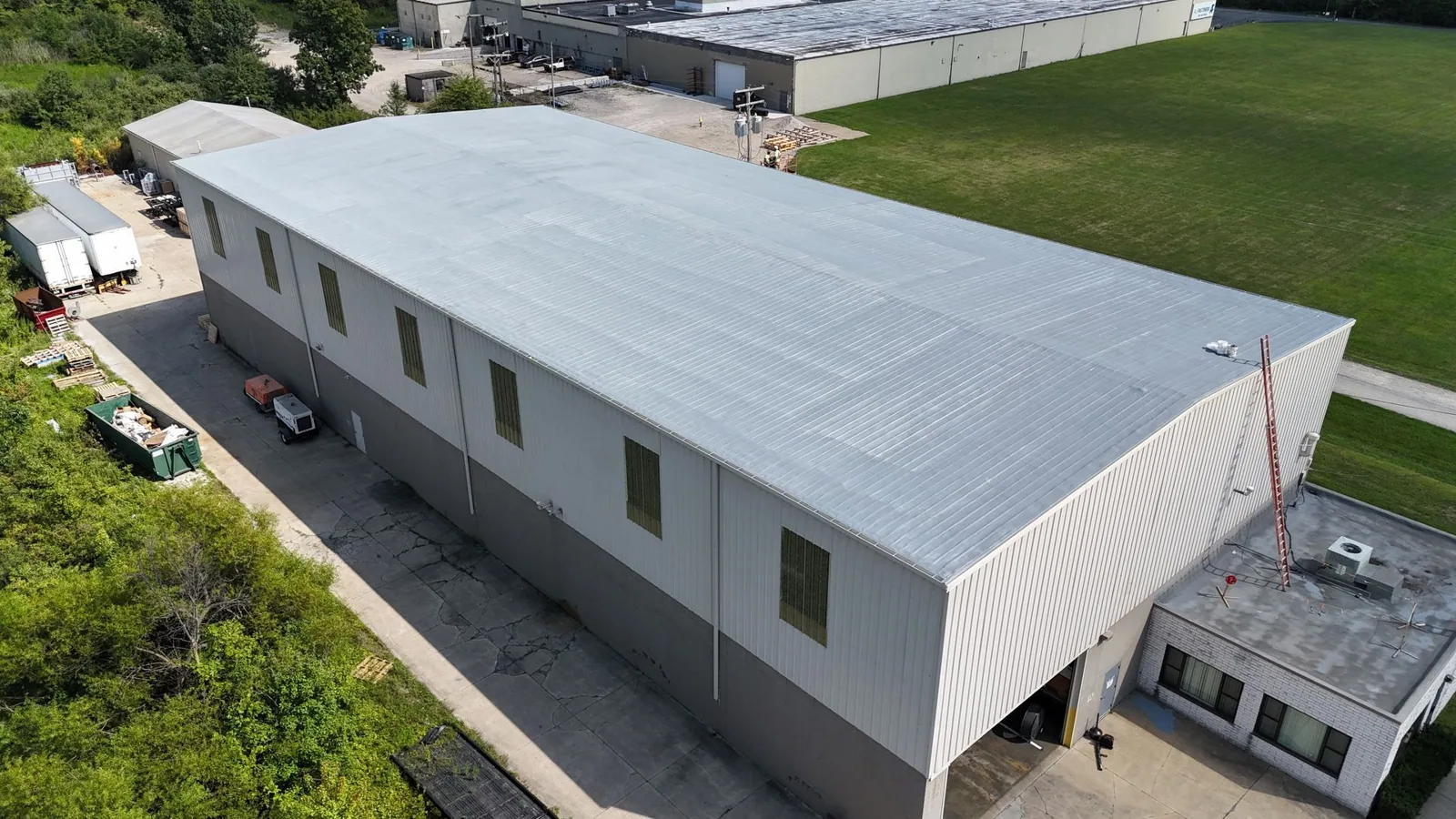
Related Roofing Work
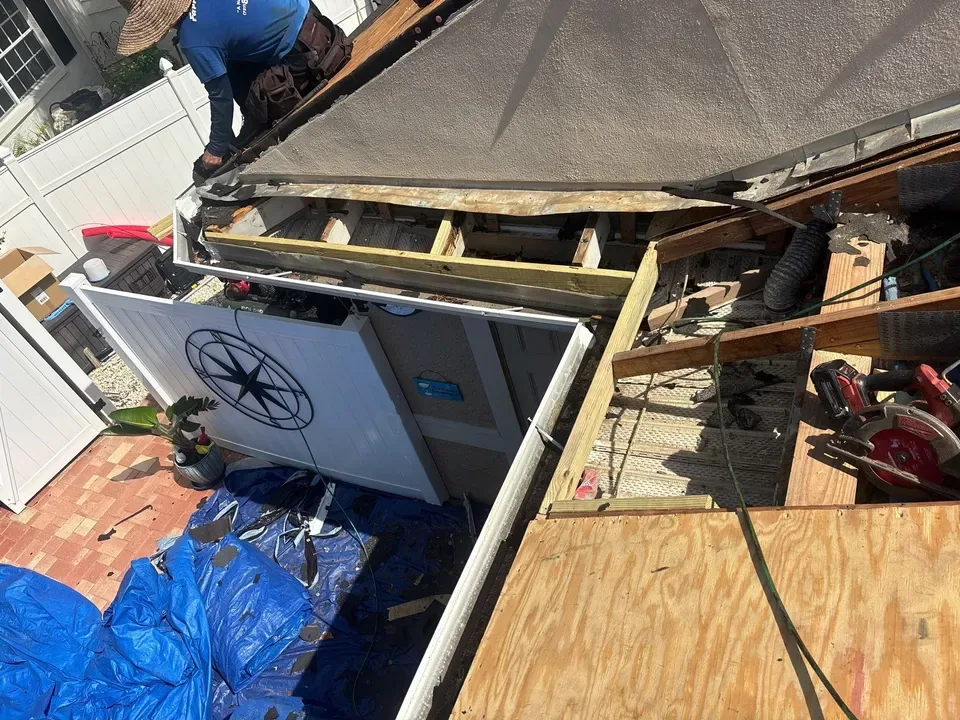
Storm Damage Roof Repair
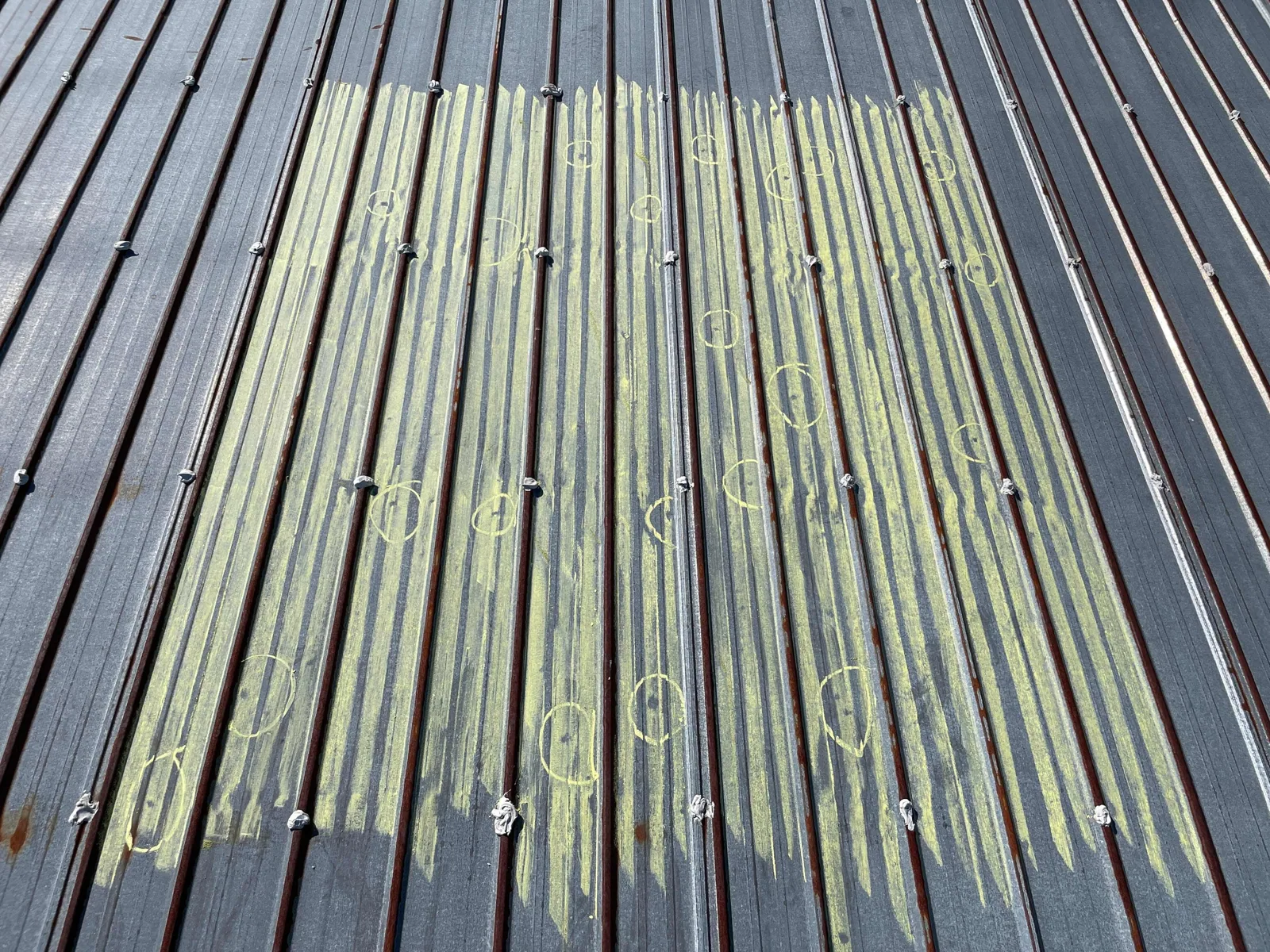
Roof Insurance Claim Assistance
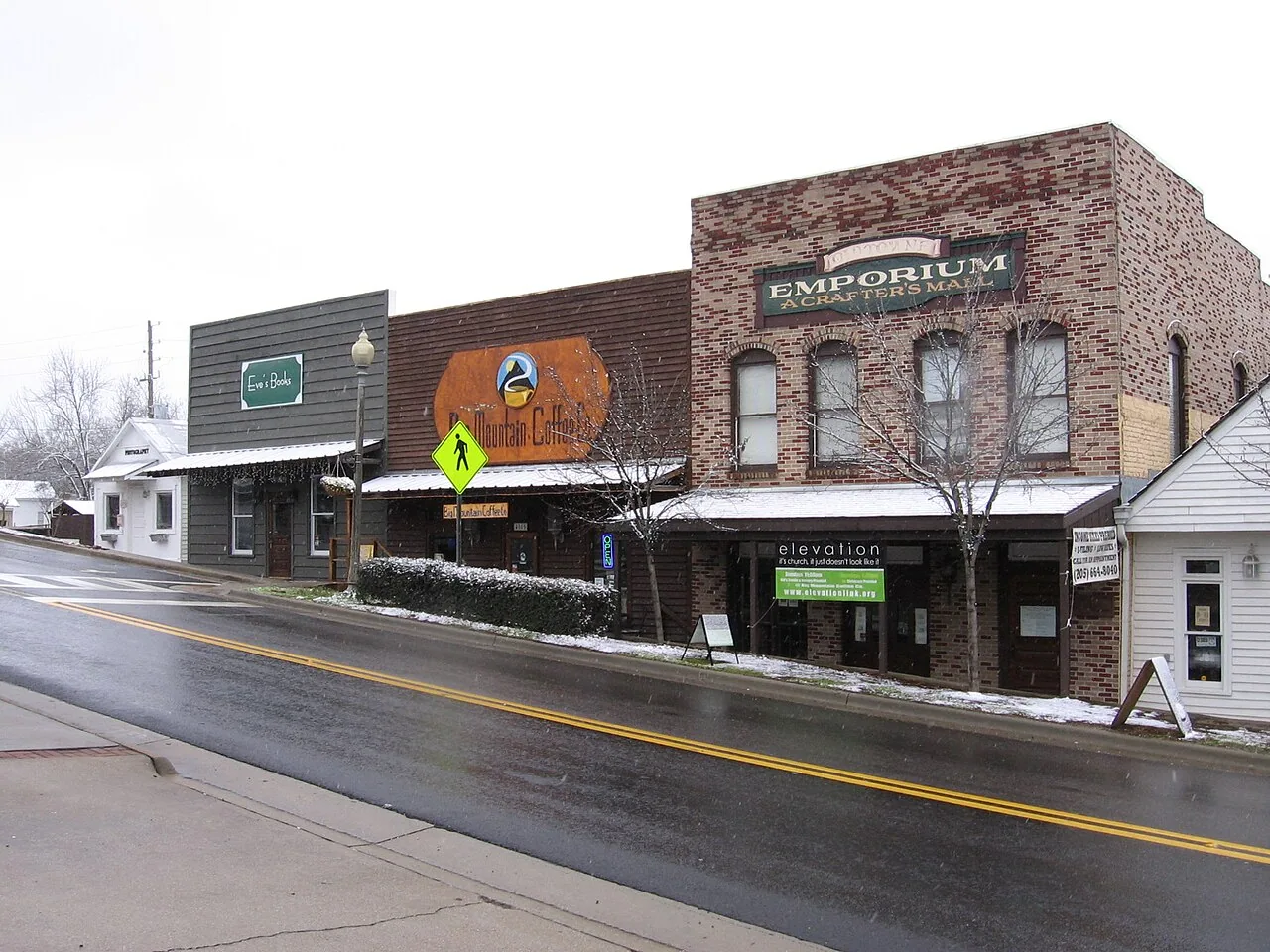
Helena
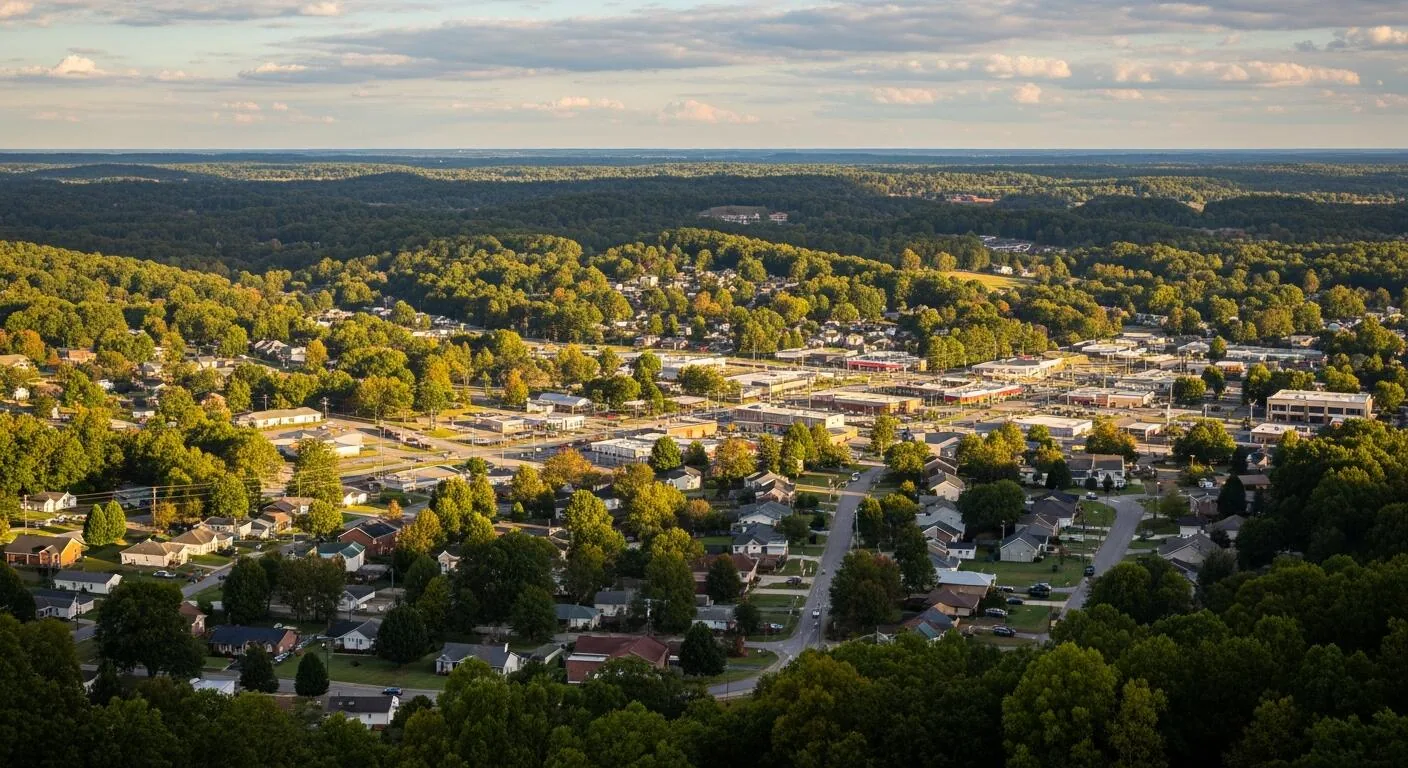
Fultondale
Emergency Leak Calls
Call for a storm walk or budget review
Call after a storm or before the next one. The walk pins down what the storm broke, what was already worn and which repair stage comes first.