
Cities, Counties and Public Agencies
Roofing for Cities, Counties and Public Agencies in Hoover, AL
A city's fire stations, emergency operations center and public works yard have to stay dry and open when a tornado warning sounds. That is the cost fact for every public agency in the Hoover, AL area: some roofs carry a duty the budget does not show. Hoover had 92,606 residents in 2020 and sits in a metro of 1,181,196. Roofs for cities, counties and agencies are repaired, recovered or replaced, and they are ranked by the job each building does.
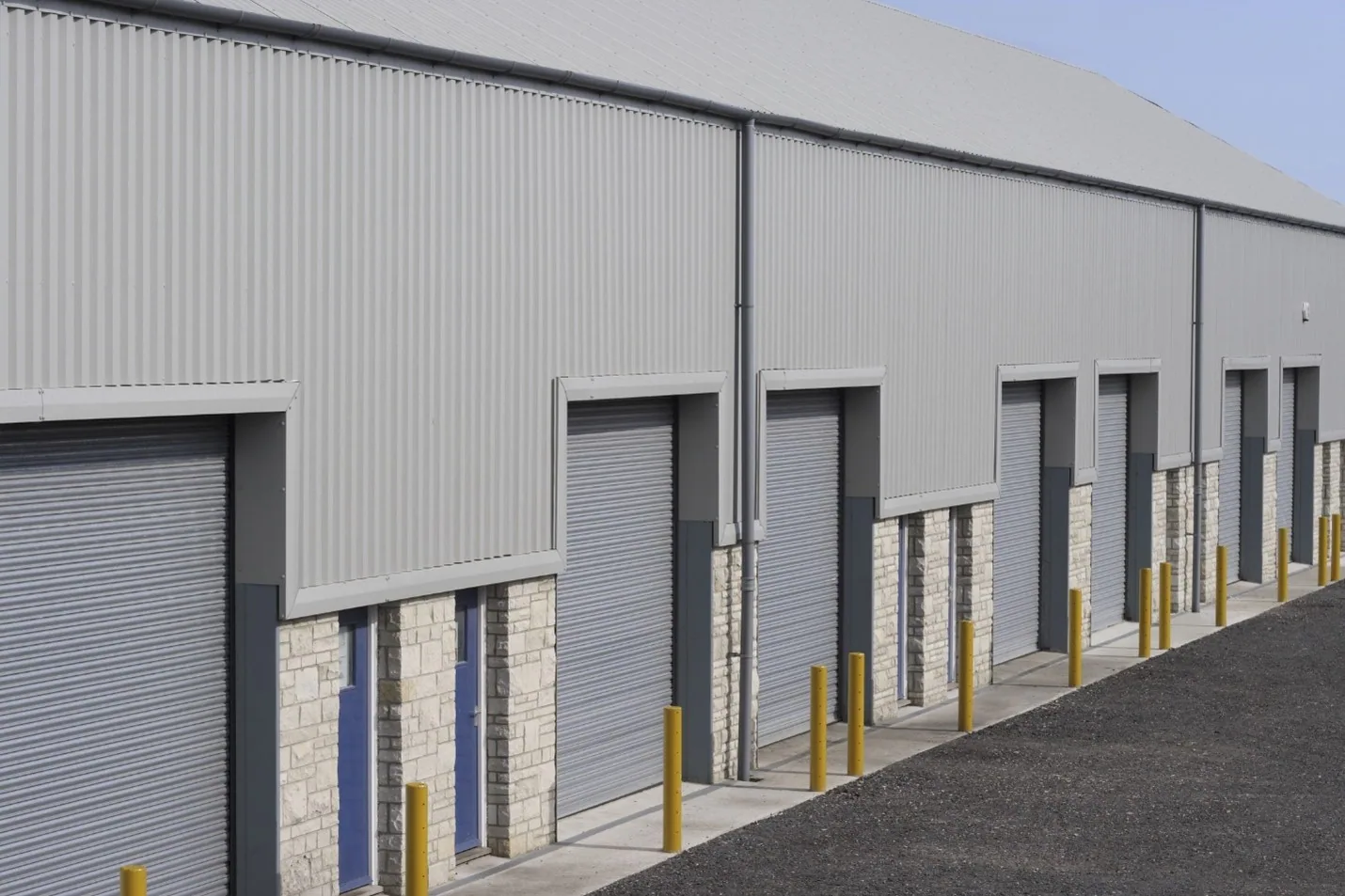
The issue: buildings with a public duty
A public agency holds a long list of buildings. City halls. Courts. Libraries. Fire and police stations. Public works shops. Community centers. Maintenance yards. Each answers to a different department. Each has a roof of its own.
Some roofs matter more than their size suggests. Building age is not roof age, either. A courthouse from one era can carry a roof from another, and a station renovated last year may still have its original flat roof. The survey records each roof's own history, from the file and from cores, and does not infer it from the building. A fire station roof, an emergency operations center and a shelter have to work after a storm. A roof over records or evidence storage has to stay dry. We tag those roofs first.
Then we build the ranking. Duty first. Condition second. Age third. The list tells the council where the money goes in the next budget.
Shared facilities add a wrinkle. A building used by two departments has two budgets and two opinions about the roof. We give both the same report, with the same ranking, so the decision moves from argument to numbers.
What we find: deferred drains and old tie-ins
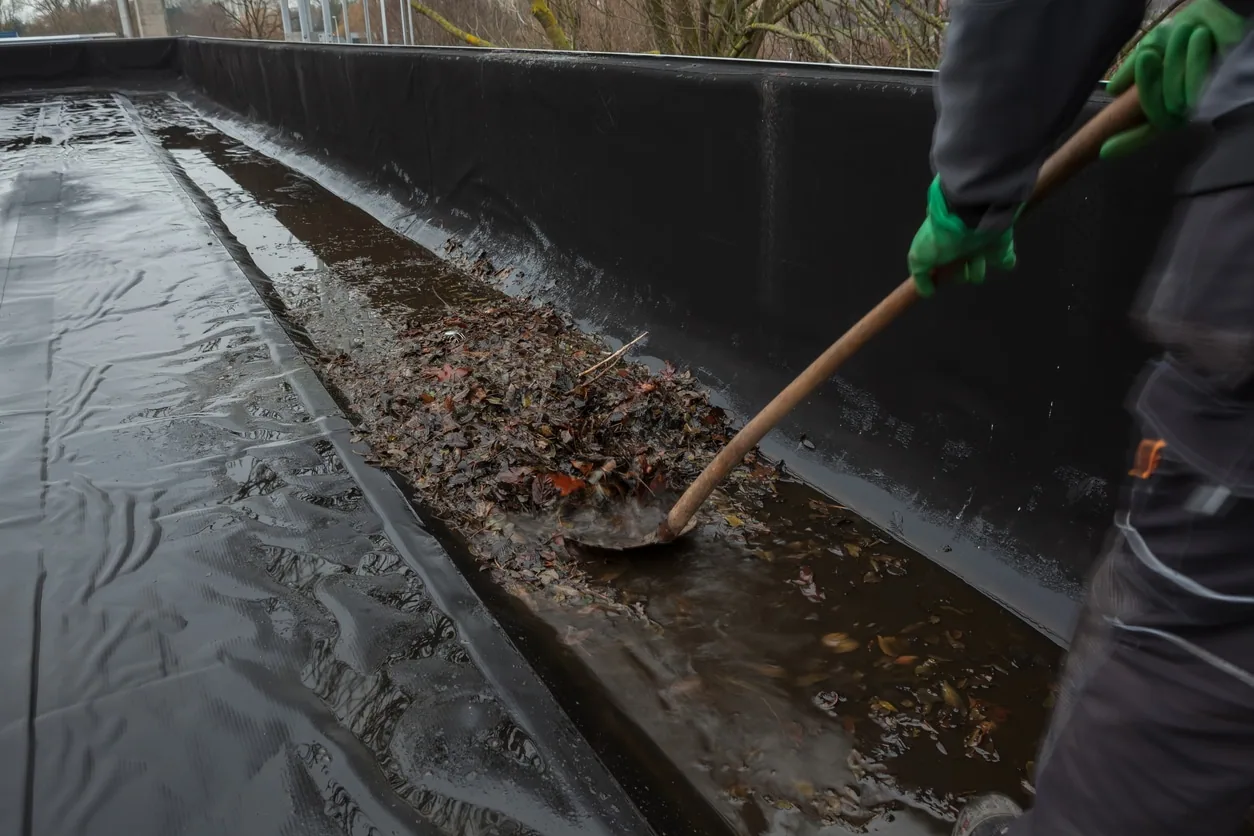
Public buildings run long hours, and rooftop units run hard. Curbs wear. Boots crack. Drains clog with leaves and silt, because cleaning gets cut when budgets tighten. Tie-ins between old and new wings leak first.
Seams are probed, wall flashing checked and drains, scuppers and gutters cleared. Wet insulation shows up on a moisture scan, cores confirm it, and photos and numbers go on the plan.
Rain, humidity and heat load these roofs year-round, and a cleaning visit twice a year costs little against the calls it prevents.
Fire stations have their own pattern. Apparatus bays have big doors, exhaust capture and floor drains. The roof above has to survive vibration, diesel exhaust and a wide span. We check the wall-to-roof joint at each door header, the exhaust penetrations and the drains, and we mark each on the plan.
Heavy trucks coming and going through large doors put more vibration and more wind-driven rain on the joint above each door header than a quiet wall sees, so we check each header joint, the gutters above the doors and the downspouts that discharge near vehicle lanes. Public works yards and maintenance shops often have metal roofs with exposed fasteners. Rubber washers dry, screws rise and laps open, and a walk with a screwdriver finds the loose ones.
Storm season: records for disaster paperwork
Public buildings in the metro have weathered the F5 tornadoes of 1977 and 1998, the EF4 of April 27, 2011 and, in Fultondale, a January 25, 2021 EF3 that caused significant structural damage. Central Alabama also took softball-size hail on April 25, 2003, a date a disaster file can cite. March and April are the heavy months, with November second.
After a major event, a public agency files paperwork. Dated photos, a written scope and receipts all matter. A baseline for each roof belongs on file before the season, and emergency-use buildings get walked first after a storm, so a station or shelter is not waiting on a roof report while the rest of the list is sorted. Storm damage repair starts that file on the first visit.
After a storm, the agency may work with a carrier, a state office or a federal program. Each wants the same things: dated photos, moisture readings and a clear scope. The same format serves insurance and restoration teams.
When to do it: work backward from the fiscal year
A fall survey leads to a winter report, a spring budget request and a summer bid, with construction finished ahead of the next storm season.
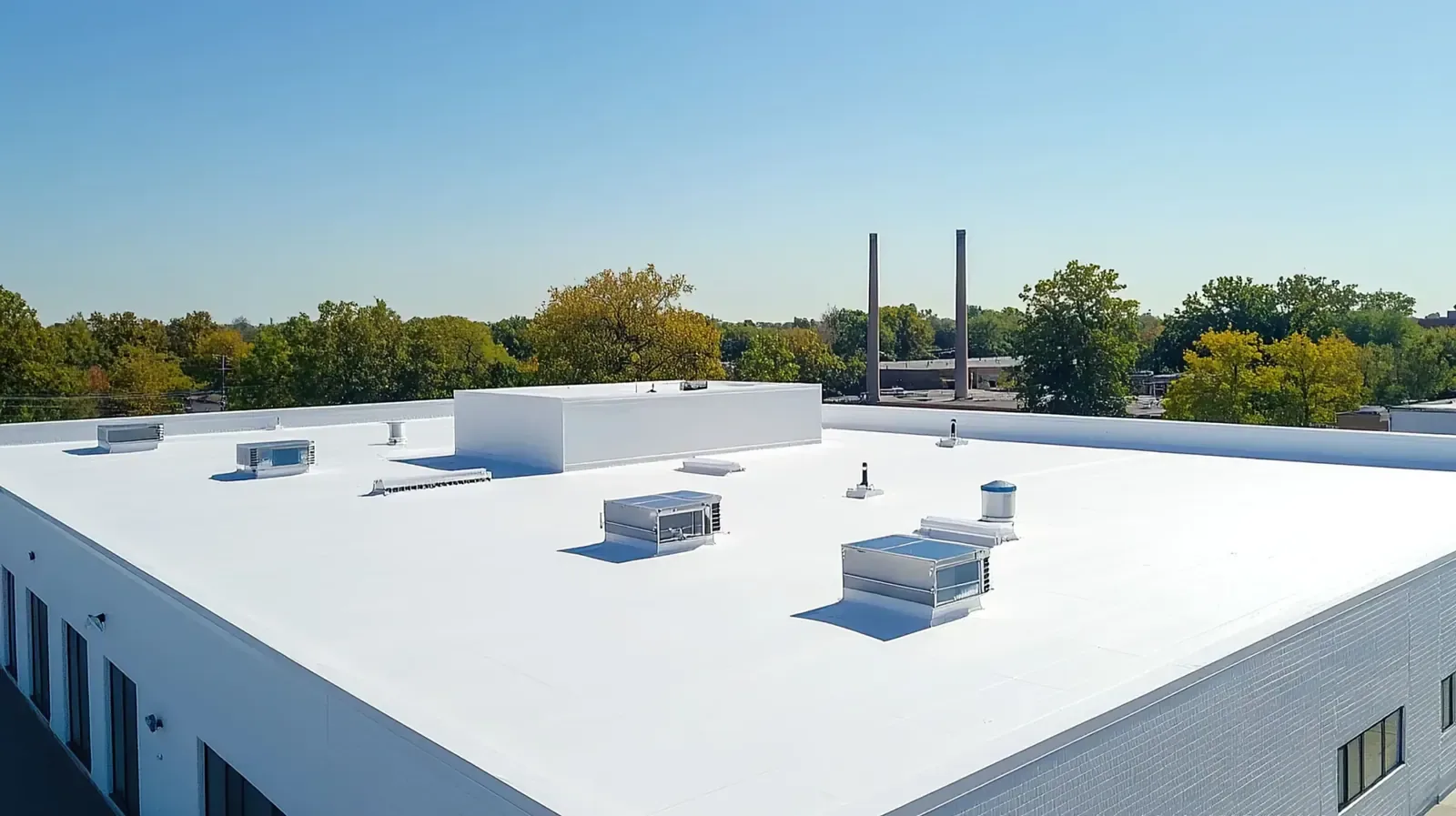
Occupied buildings take planning. Courts, counters and meetings set the quiet hours, so loud tear-off moves to evenings or weekends where the building allows. The occupied building reroofing plan carries the limits, the access route and the approving contact.
Each building also carries its funding line in the register, since grant and bond money can come with dates the schedule has to meet. Emergency repairs cannot wait on a vote, so a tarp-and-dry comes first and a short scope follows.
Insulation, membrane and trim take weeks to arrive, so a spring order supports a summer start and a finish before the next storm season.
What it costs: lines a bid can price
The scope is built in bid-ready lines for membrane, insulation, cover board, flashing, edge metal, drains, penetrations and tear-off, with deck repair as a unit price and added insulation as an alternate.
The number comes from roof area, units and penetrations, wet insulation, the deck and phasing. Repair costs least; a section replacement costs more but ends repeat calls; a full replacement costs most and restarts the clock. The line between repair and replace is priced on both sides in writing.
The authority having jurisdiction confirms the building code edition and the ASHRAE 90.1-2013 energy requirement that govern the project.
Timing sets price. Crews and materials tighten after a big storm, winter bookings land in a calmer market and a March repair costs less than a May one after another damp season. Public bid rules add paperwork, namely bonds, insurance certificates, safety plans and daily logs, which stay on file and go to the agency at closeout.
More on Cities, Counties and Public Agencies
Local: public buildings across the metro
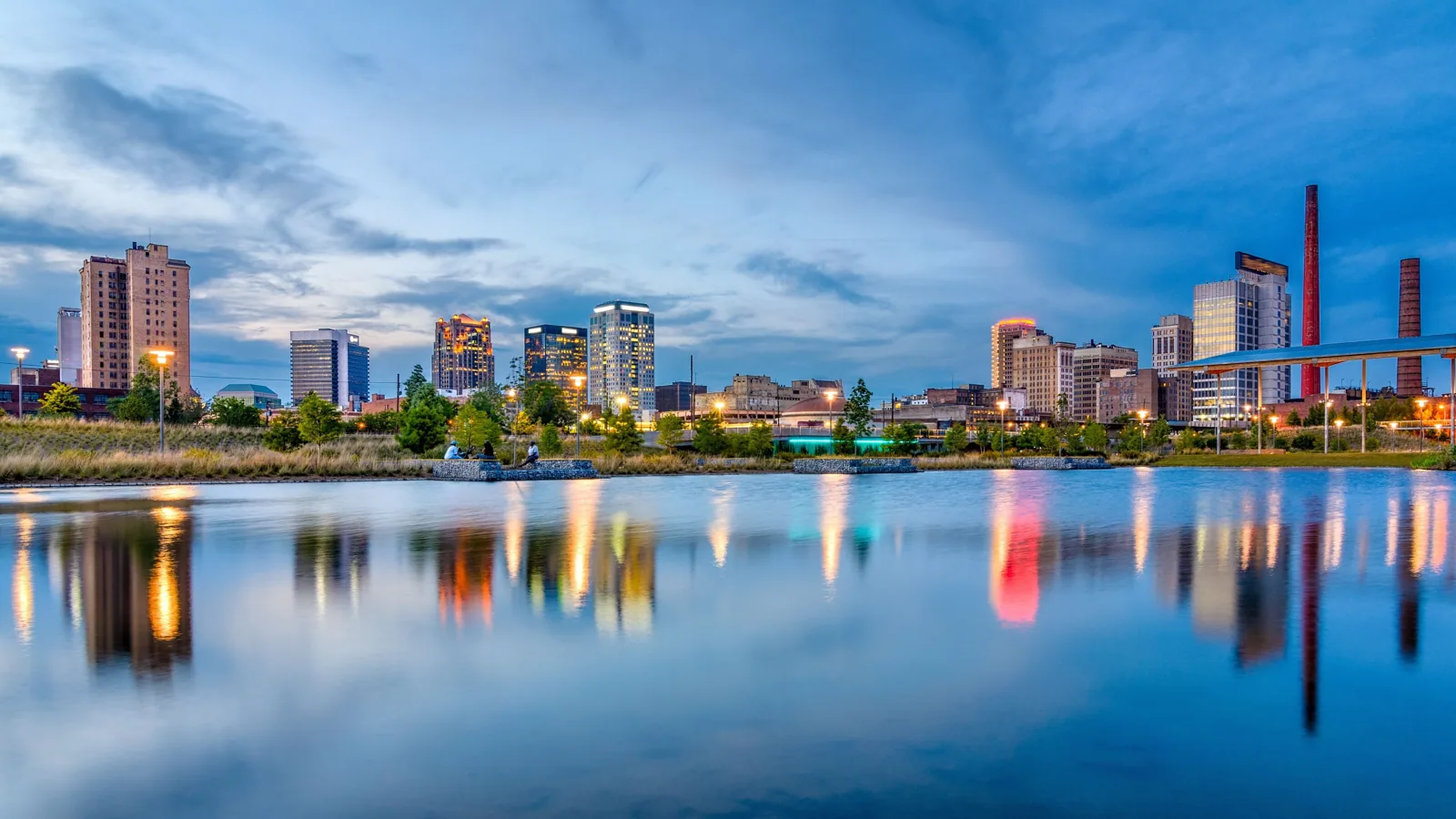
Irondale's public side runs from its municipal complex to the library, Mountain Brook opened a new city hall, fire station and police station in 2013, and Tarrant opened a new City Hall in 2021.
A public building in Irondale or on the Highway 150 corridor gets surveyed for its own roof type and age. A multi-site roof program keeps an agency's many sites in one register. The government building itself is the unit of work, and school districts follow the same bid rules with a summer calendar.
Commercial Roofing Questions
Which public roofs should be repaired first?
The ones with a public duty: fire stations, emergency operations, shelters and records storage. Then the roofs with repeated leaks. We rank by duty, condition and age, and write the list for the council.
Can you support a storm-related disaster filing?
Yes. We build the file as the work goes: dated photos, moisture readings, a written scope and receipts. We do not decide eligibility. We give the agency a file that can be checked line by line.
How do you handle an emergency before a budget vote?
Temporary protection goes on first, then a short repair scope is drafted, and each stage is billed apart so the agency can show its cost.
How early should a city start before the fiscal year?
The fall before. A fall survey gives a winter report and a spring budget request, and a summer bid builds the work before the next storm season.
Is someone available overnight if a roof starts leaking?
Yes, including holidays. The crew stops the water first and logs where it got in.
Related Roofing Work
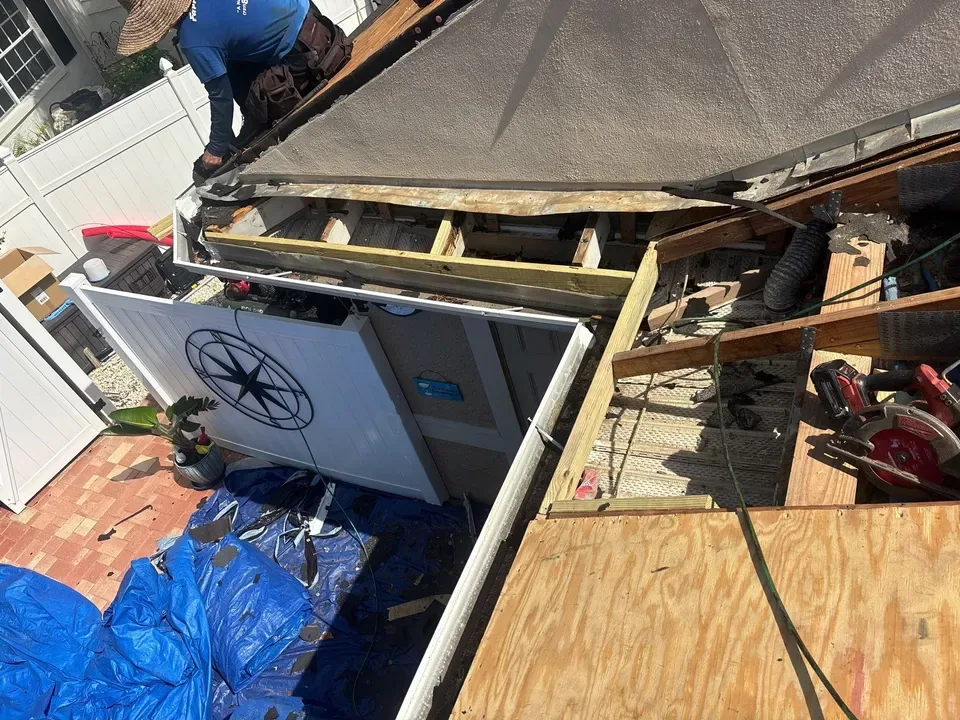
Storm Damage Roof Repair
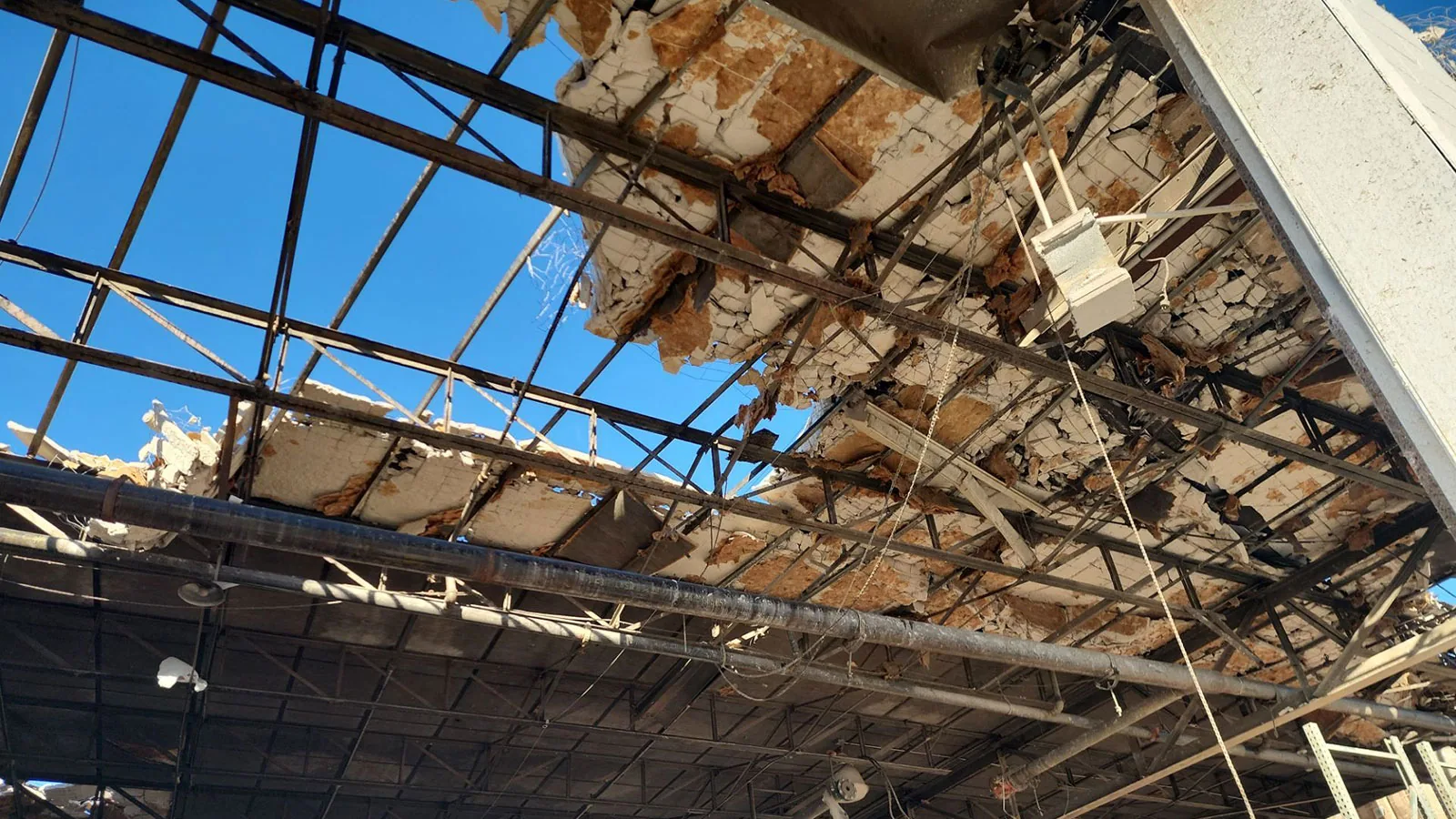
Insurance Adjusters and Restoration Firms
Occupied Building Reroofing
Irondale
Emergency Leak Calls
Call for a storm walk or budget review
Call before the budget cycle opens or after a storm. The visit pins down which roofs come first, what each fix costs and which fiscal year it belongs in.