
Hotel Owners and Hospitality Groups
Roofing for Hotel Owners and Hospitality Groups in Hoover, AL
A hotel in Hoover, AL has only so many rooms, and a wet ceiling takes one off the shelf. That is the cost fact for every hospitality owner. A leak does not just need a repair. It takes inventory off the market for each night it lasts. Every roof section on a hotel owner's or hospitality group's properties is tied to the rooms beneath it, which lets the manager see what each leak costs.
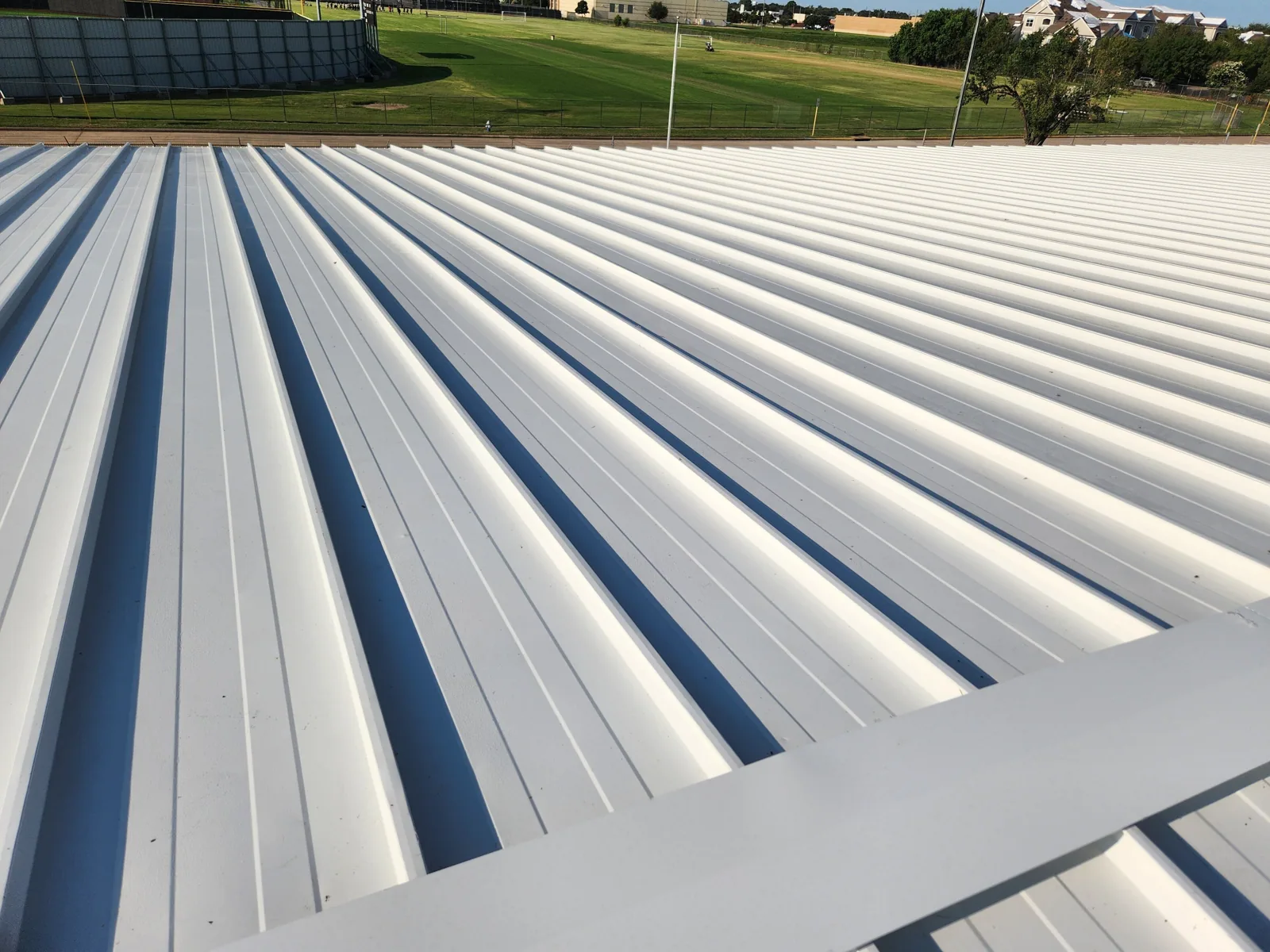
The issue: rooms, brand rules and a renovation clock
A hotel roof is divided by use. Guest wings. Lobby and meeting space. A kitchen. A mechanical penthouse. A pool deck or a terrace. Each has a different system and age.
Brand rules add a clock. Brands set property improvement cycles, and a renovation can force a roof decision on a date the owner did not pick. A group with several hotels may have several clocks running at once.
So we build one record per hotel. Roof sections. Rooms below. Age. System. Known repairs. Brand notes. The group can sort by hotel, by risk or by renovation date.
Ownership structure matters. Some groups own and operate. Some own and let a brand manage. Some are investors who hold only the real estate, as real estate investors do. Each wants the same facts in a different format. We keep one set of field data and cut the report to fit. Review cycles add a second date. A brand inspection can land in the same quarter as a spring storm, and a roof stain in a corridor on inspection day costs more than the same stain a month earlier, so the record lists when each property's last roof walk happened and the next one is placed ahead of the inspection.
What we find: vent stacks, kitchens and terraces
A guest wing carries dozens of plumbing vents and bathroom exhausts. Those boots age together in the sun and crack together. Replacing the group costs less than answering fifty calls.
Kitchens add grease and heat. Laundry adds lint. Pool decks and terraces add their own waterproofing, and a failure there leaks into rooms or meeting space below. We check flashing at every wall and penthouse. We clear drains. A moisture scan finds wet insulation before it reaches a ceiling. A core cut confirms.
Damp air and long hot summers keep seams and sealant under stress from one season to the next.
Rooftop signs and antennas fasten through the sheet. Each base is a leak point. We check the flashing at each mount and the cap above it. Mechanical penthouses and stair towers get the same check at the wall-to-roof joint.
Walkways matter, and so does the roof hatch key, which the property engineer should be able to find at two in the morning. Engineers walk the same route to the same units each visit, which thins the sheet along it, and a walkway pad over those routes costs little.
Storm season: a full house and a bad forecast
For a hotel owner, Dixie Alley means spring storm risk that peaks in March and April and comes back in November. Tornadoes struck in 1977, in 1998 and on April 27, 2011, and softball-size hail landed on central Alabama on April 25, 2003.
A hotel full of guests during a storm has little room for a roof surprise. A baseline for each hotel should exist before the season, and after a storm the worst-hit properties get walked first. The baseline lets storm damage roof repair separate storm damage from older wear. That keeps claims clean and protects the guest experience.
Wind goes after edges, signs and equipment. Edge metal, caps and unit fastening get checked. A sign that shifts in a gust works its base open, and the resulting leak turns up far from the sign, so those repairs belong ahead of March.
When to do it: off-peak weeks and quiet wings
Hotels have peaks. Event weeks. Holidays. Conference dates. Roof work should avoid them. Event calendars set the weeks that fill up, and a hotel near the Riverchase Galleria on US 31 or in downtown Birmingham plans around them.
We phase by wing. The manager blocks rooms under the active section. We protect ceilings below openings. Loud tear-off runs in hours guests tolerate. Staging stays away from the entrance. An occupied building reroofing plan lists each limit.
Most hotels get their best window from late autumn through winter, ahead of the March storm peak, since summer heat limits crews and adhesives.
Insulation, membrane and trim take weeks to arrive, so an autumn order supports a winter start, and the roof is done before storm repairs tighten the supply line.
What it costs: roof plus lost room-nights
Cost follows roof area, the number of vent stacks and penetrations, wet insulation, the deck and the number of wings to phase. Each wing phased separately adds supervision and mobilization.
A repair is the cheapest step, a section replacement costs more but ends repeat calls, and a full replacement costs most and starts the roof over. A lost-room line sits beside all three. If a leak takes ten rooms off the market for a week, the roof repair may be the cheaper line. We put both numbers side by side, in writing. Pool-deck and terrace repairs are priced apart from the main roof because they involve waterproofing layers, drains and finishes that the field of the roof does not.
A replacement may need more insulation under ASHRAE 90.1-2013, and that shows up as its own line.
Price moves with timing: scarce crews and materials after a big storm, a calmer market for winter bookings, and a damp season between a March repair and a more expensive May one.
More on Hotel Owners and Hospitality Groups
Local: hospitality along the metro's main roads
I-65 and I-459 intersect inside Hoover, with US 31 and SR 150 crossing the city, and Oak Mountain State Park, Alabama's largest state park at 9,940 acres, lies in the northeast of Pelham. Guests reach hotels in the area by those roads.
A hotel in Riverchase or Pelham gets its own roof survey, since age and system vary by property. A group with several properties can hold them in roof asset management records. Senior living shares the residential stack, and retail and restaurant chains share the brand-standard problem.
Closeout finishes the job. At closeout the manager gets a punch list, a warranty walk and detail photos. The file records the repair, its date and its materials, so a brand inspector's roof question already has an answer.
Commercial Roofing Questions
How do you tie a leak to a room?
We compare the maintenance log with the roof plan. A cluster of affected rooms under one valley, wall or vent run points to a source on the roof. The report lists the rooms and the section.
Can a hotel stay open during reroofing?
Yes. We phase by wing, the manager blocks rooms under the active section, and loud work runs in hours guests tolerate. Staging stays away from the entrance.
When should a group replace a roof against a brand renovation?
Work back from the renovation date. Do the roof first if the renovation will open walls or ceilings, so new finishes are not exposed to a failing roof. We price the roof alone and as part of the package.
Why replace vent boots as a group?
They age together and crack in the sun. Replacing the group costs less than repeated calls and closes a common leak source.
What if a roof leaks during an event week?
Call day or night. The crew stops the water, covers the rooms and logs the opening.
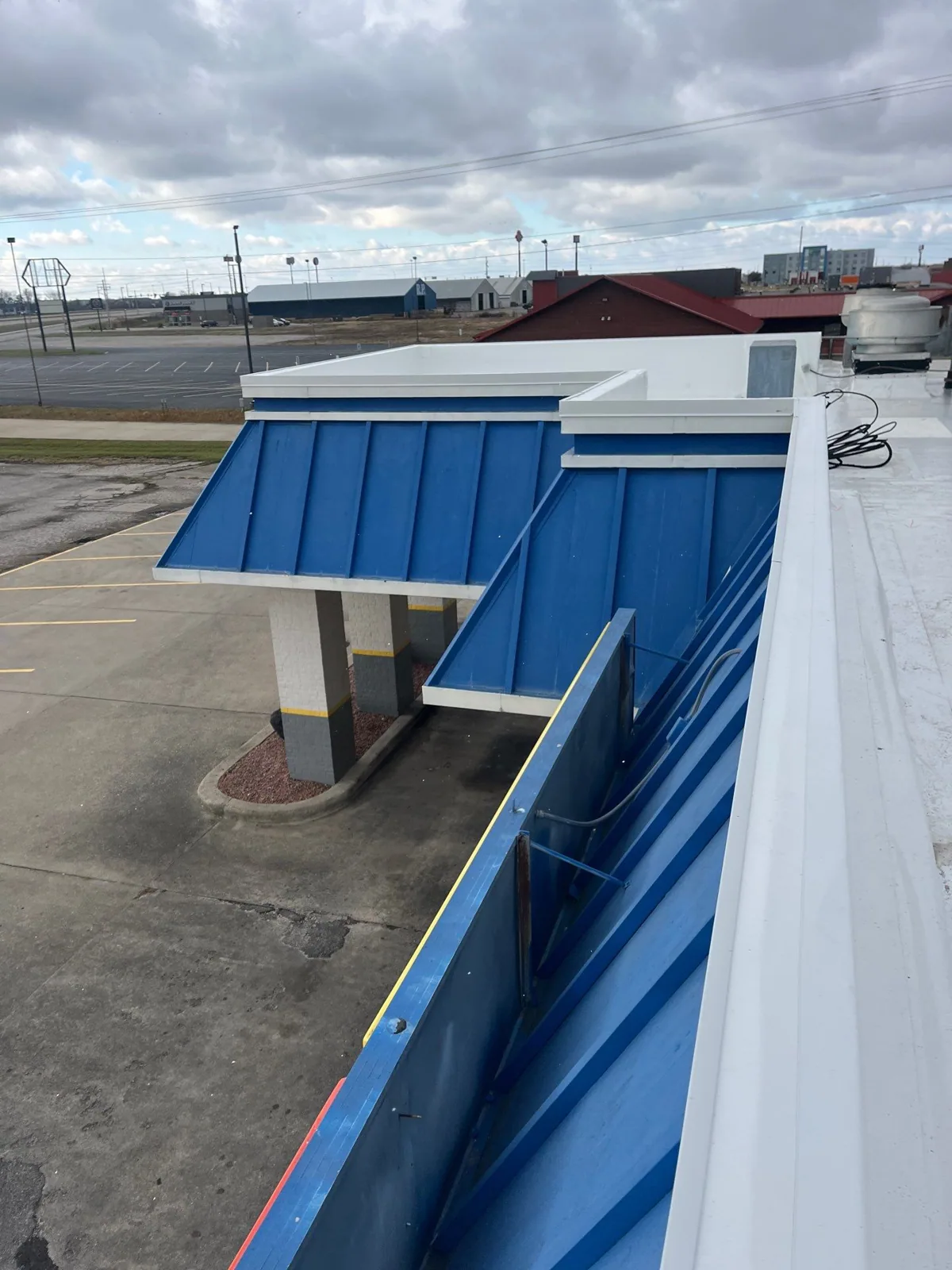
Related Roofing Work
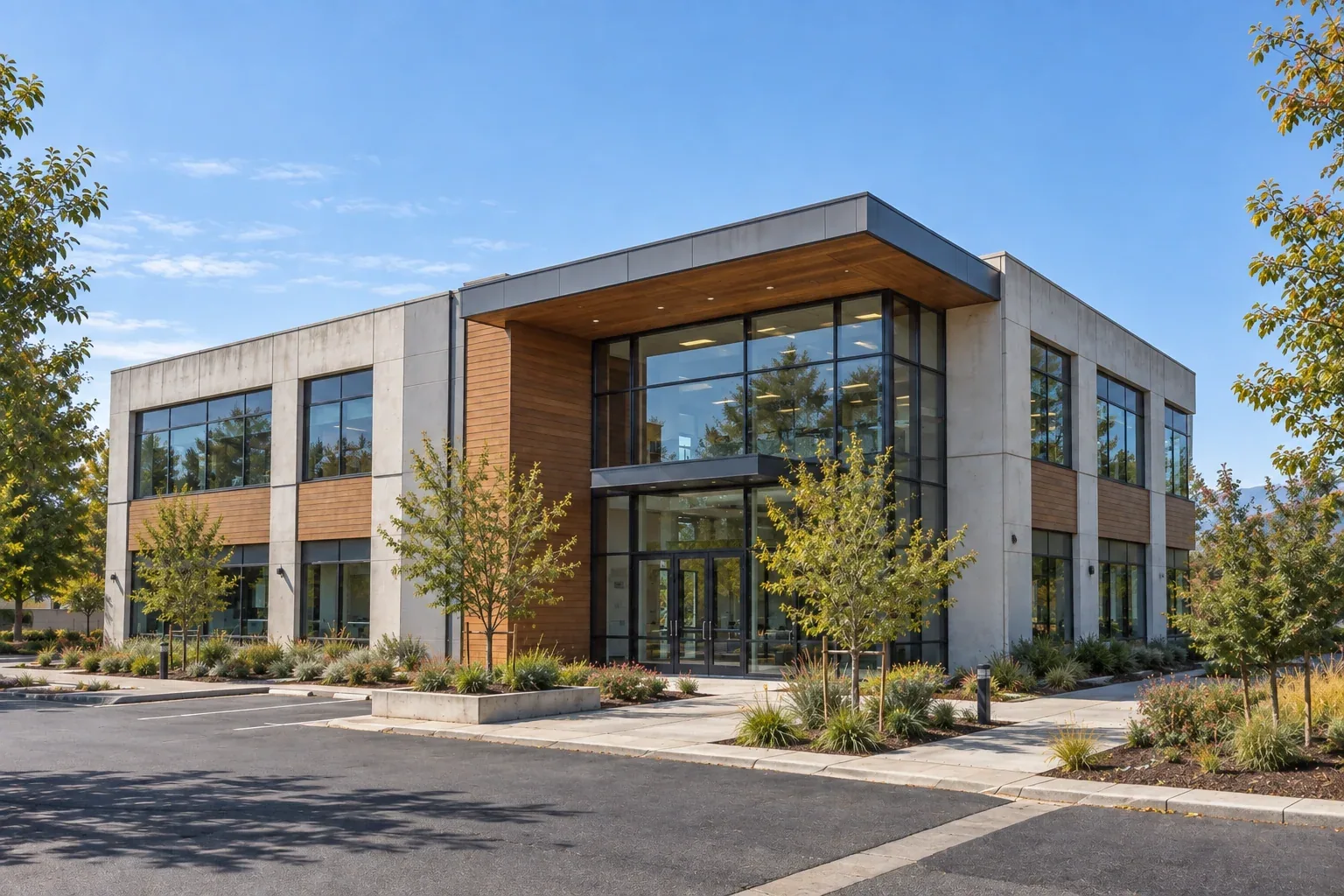
Real Estate Investors and REITs
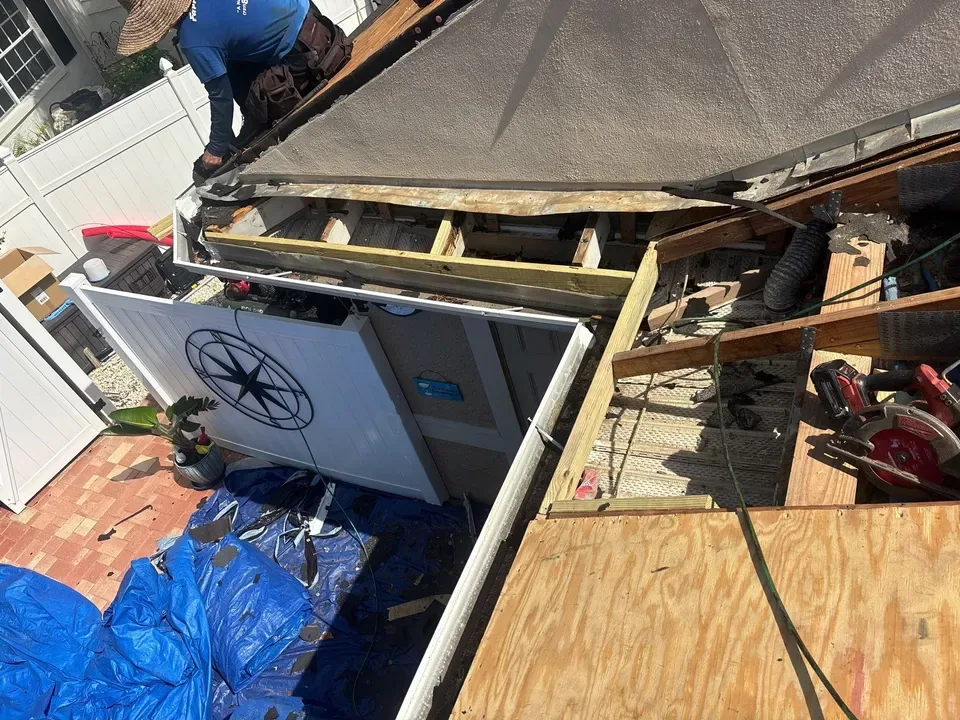
Storm Damage Roof Repair
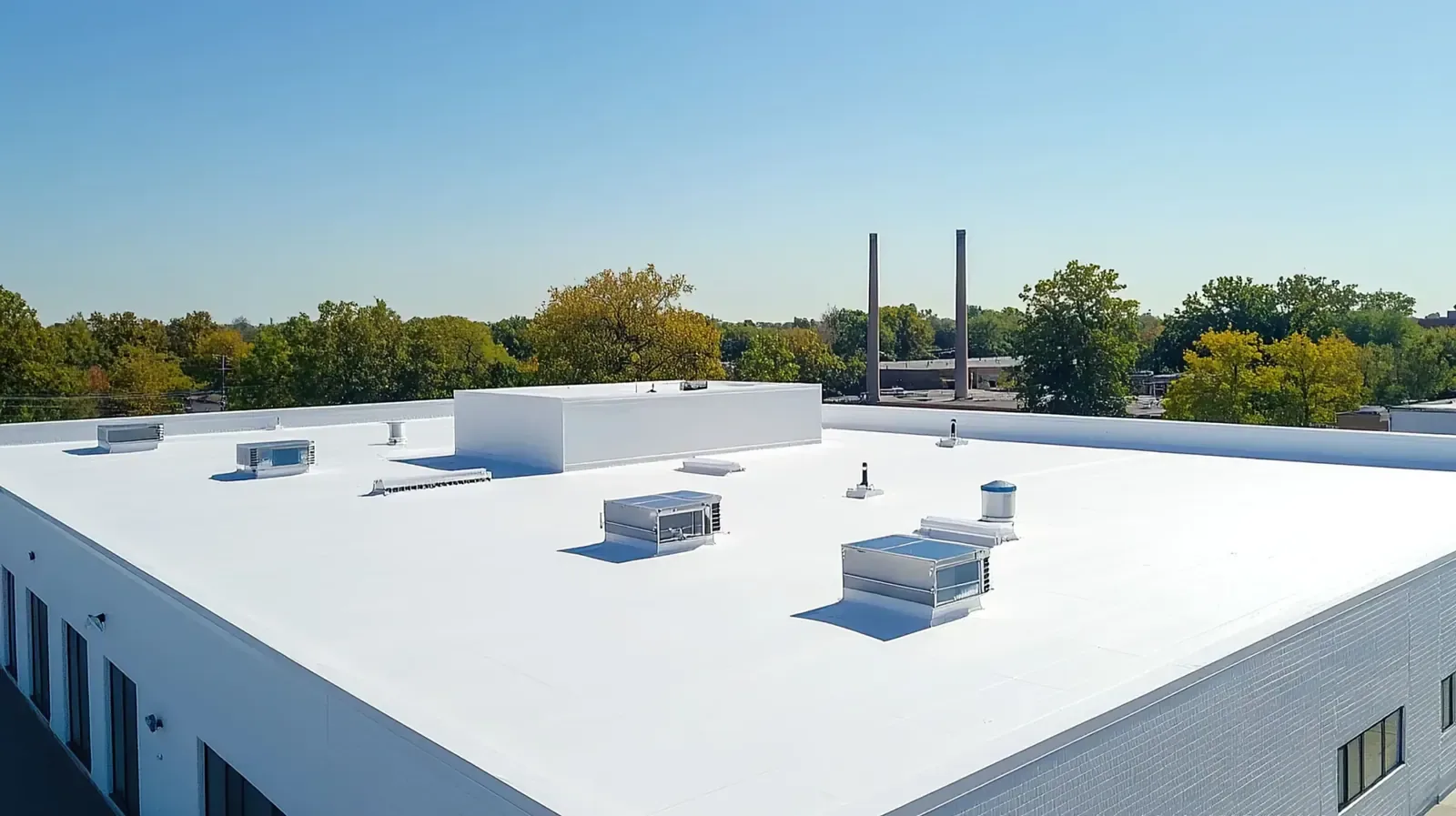
Occupied Building Reroofing
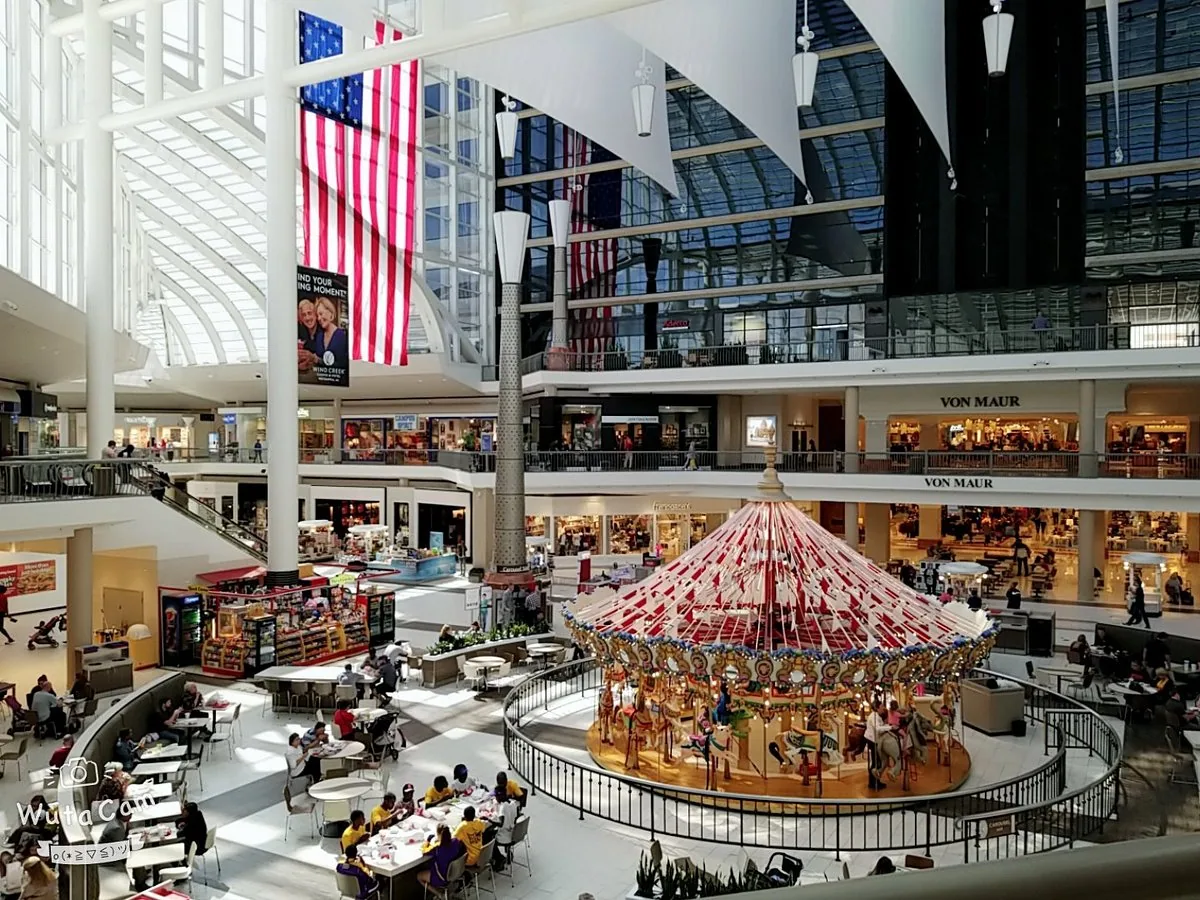
Riverchase
Emergency Leak Calls
Call for a storm walk or budget review
Call before storm season or ahead of a renovation date. The visit pins down which wings come first, what each fix costs and which budget year it belongs in.