
Retail and Restaurant Chains
Roofing for Retail and Restaurant Chains in Hoover, AL
A regional manager with a few dozen stores gets a few dozen small roof problems and one budget. A leak that closes a store for a day costs more than the repair. Hoover, AL storm claims land in March, April and November, so a February roof walk pays off. Low-slope and metal roofs for multi-location retail and restaurant brands are repaired, recovered or replaced, and every store gets its own record.
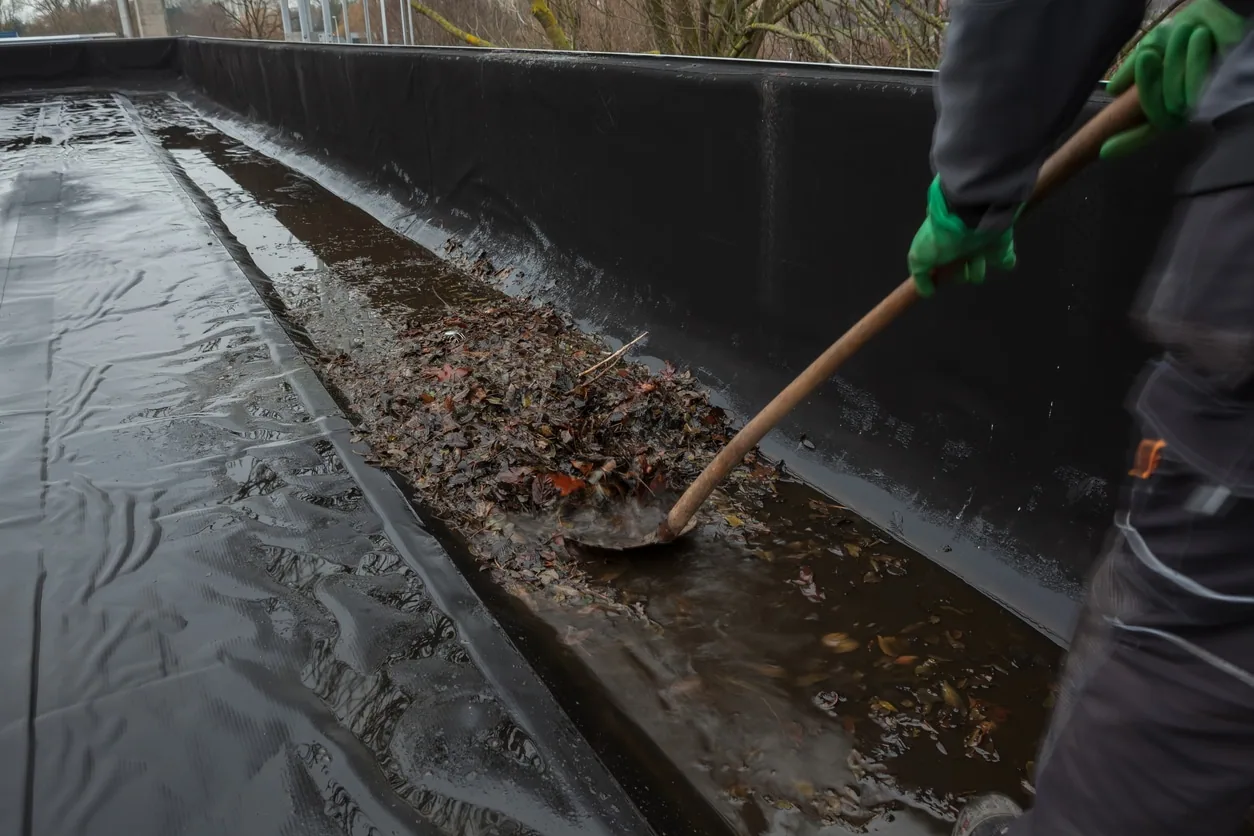
The issue: one brand, many leases, many roofs
A chain rarely owns every store. Some are freestanding and owned. Some sit in a strip center. Some are in a mall pad. Each lease splits roof duties differently. In one store the tenant fixes leaks and the landlord replaces the roof. In another, the landlord does both.
The roofs differ too. Some are new prototypes. Some are decades old. Some have a kitchen exhaust fan. Some have refrigeration condensers on rails.
So the first job is a clean store-by-store record. System, age, units, last repair and lease split. The regional manager can sort it by risk, by lease or by market. Prototype roofs get their own line. A store built from a standard plan repeats the same details in every market, so a flashing failure found at one location is a flashing failure to look for at the rest, and the shared detail gets checked first when one of them leaks.
Brand standards add a layer. Some brands set rules for roof color, trim and equipment screens. Some require approved contractors. We ask for the standards at the first call and follow them. Hotel brands work the same way, which is why hospitality groups and chains share many of the same questions.
What we find: exhaust, rails and tenant cuts
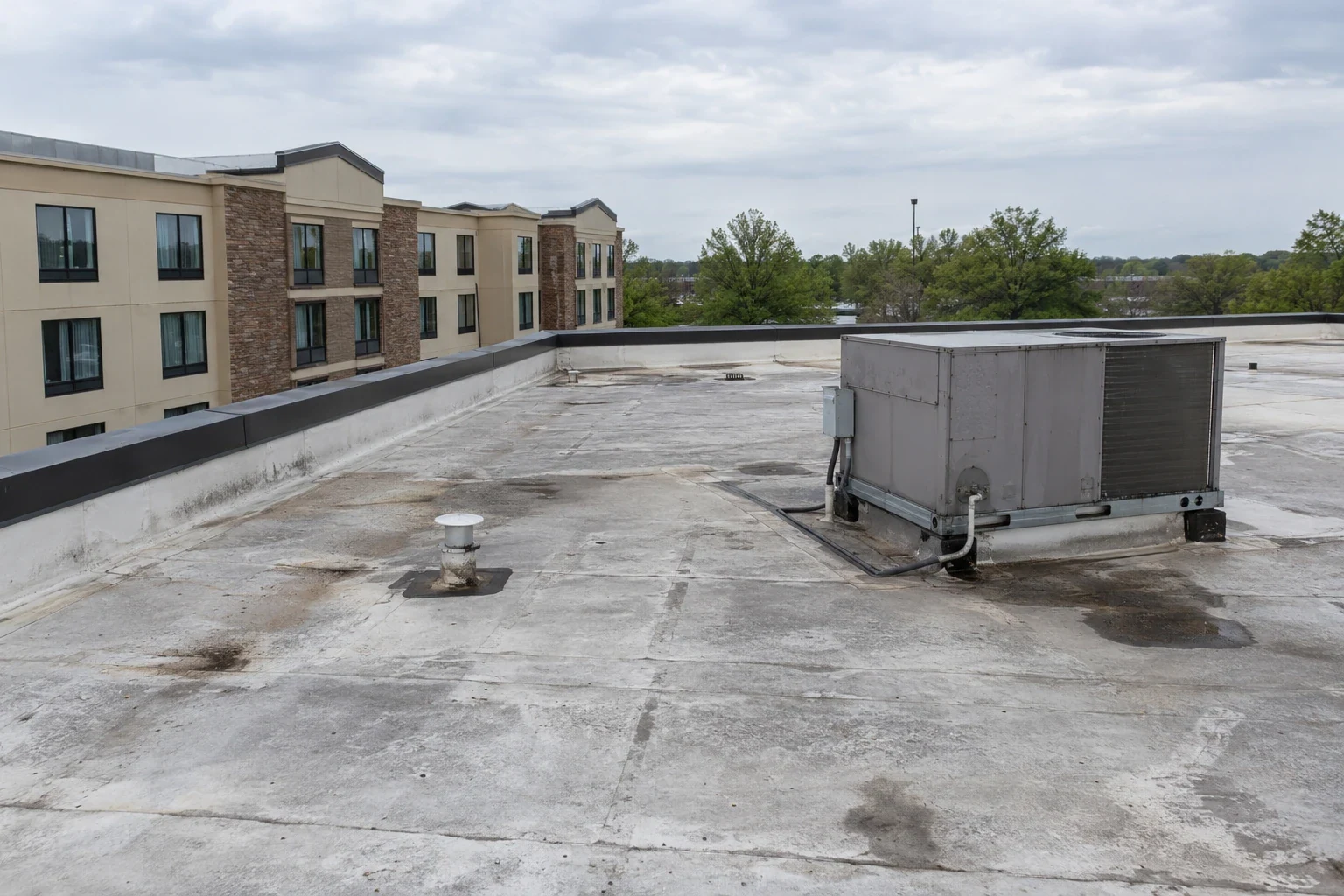
Restaurants run kitchen exhaust. Fans discharge warm, fatty air onto the sheet. Without a pan, grease softens and stains the membrane. Retail stores carry rooftop units and sometimes refrigeration. Rails sit on the sheet. Lines cross the roof. Each is a flashing.
Chains remodel, and each remodel can add or move equipment. When a contractor cuts the roof under time pressure, the boot ends up short and the sealant thin. Every penetration is mapped, and any that looks rushed is flagged.
Seams and sealant work year-round in this climate. Wet insulation shows up on a moisture scan and a core cut confirms it.
Drive-through lanes and canopies get special notice. Canopies are exposed on several sides, carry menu boards and lights, and drain toward the lane. A failed gutter or open seam drips on cars and customers. We check the fasteners, seams and flashing against the main wall.
Walkways matter too. Refrigeration technicians visit the same rail rows every month. Without a pad the sheet scuffs, thins and punctures. A pad costs little. We mark worn routes and recommend them.
Storm season: hail, wind and the store file
Dixie Alley covers every store in the metro. The record has two F5 storms, the 2011 EF4 and the hail the size of softballs that crossed central Alabama in April 2003. March and April are the heavy months, and November follows.
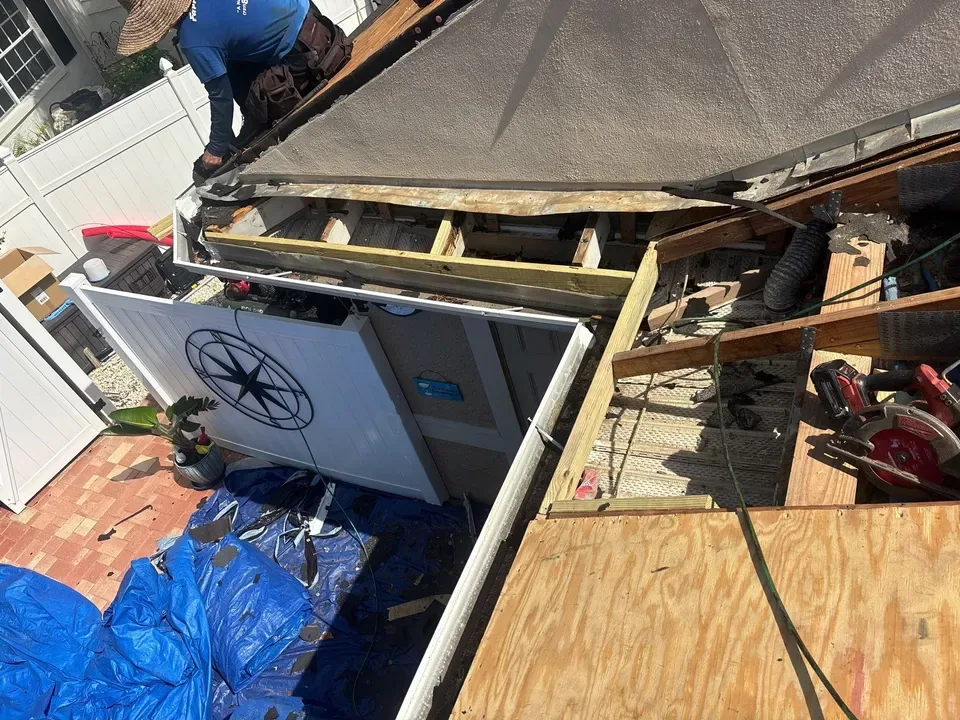
After a storm, a chain with many stores in one market has many roofs to check. Each store needs a baseline before the season and the worst-hit stores get walked first afterward, so storm damage roof repair can separate storm damage from older wear, store by store, and claims stay clean.
Closeout matters after a storm repair. At closeout the regional manager receives a punch list, the warranty walk and detail photos, so the next claim question has its answer on file.
When to do it: outside the rush
Retail and restaurant calendars set the work window. Holiday weeks are off limits for most stores. Restaurants avoid lunch and dinner. Loud work waits for early mornings or closed hours. Most repairs happen outside the building envelope, and the crew stays out of the dining room and the sales floor.
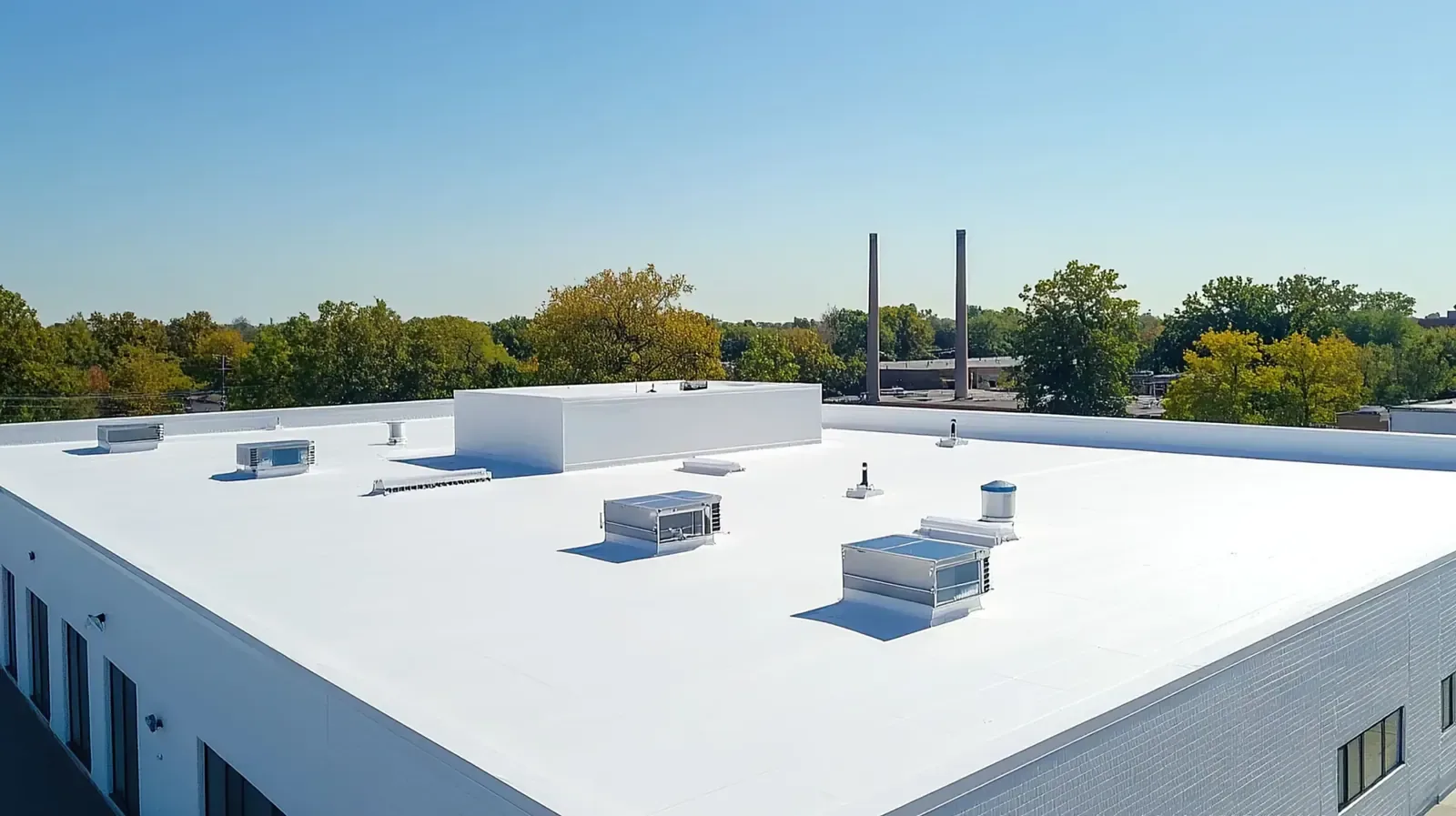
Plan big replacements for late winter through summer, ahead of the fall selling season. Keep open sections small so a sudden storm does not catch a stripped roof. The occupied building reroofing plan lists the limits for each store. If a leak opens during service, a crew can be sent at any hour.
A chain that books in January gets the pick of the late-winter weeks, and a market with several stores on the list can be done in one trip, which saves mobilization and keeps the crew familiar with the brand's trim and equipment-screen rules. Plan the order of stores. Start with the stores with the most active leaks and the highest sales. Move to the next as budget allows. A program lets the chain spread cost across budget years, keep the same crew and keep the same specification from store to store.
What it costs: per store and per program
Cost follows roof area, the number of penetrations, wet insulation, the deck and the phasing. A small store has a small roof, but the protection line is larger when the interior is finished. A big-box store has a big roof, with many units and a bigger flashing line.
Repair is the cheapest option, a section replacement ends repeat calls and a full replacement restarts the roof at the top price. Each store is priced alone and as part of a program, which shows the chain what several stores in one mobilization save.
Seasonal stock changes the protection line: a store that carries seasonal goods in the fall needs different interior protection in October than in February, and the estimate shows that line by month. ASHRAE 90.1-2013 can call for more insulation on a replacement, and that is its own line.
Timing matters to price: right after a big storm crews and materials run short, winter slots are easier to book and a March repair beats a May repair. Walking roofs early is the plainest way to use.
More on Retail and Restaurant Chains
Local: the retail roads around Hoover
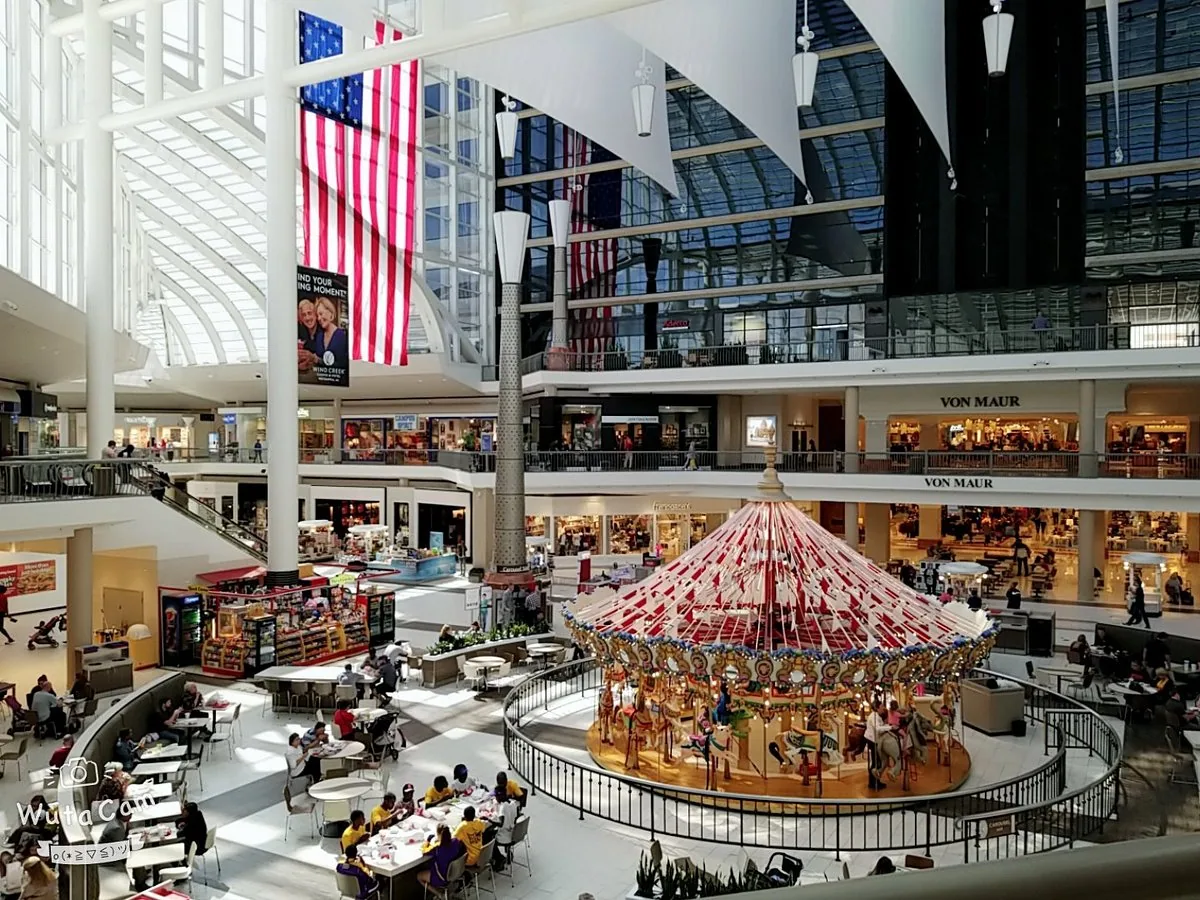
Retail clusters along Hoover's main roads: the Riverchase Galleria on US 31, Patton Creek on SR 150 and the restaurants and centers along US 280. Farther out, Colonial Promenade Fultondale opened in fall 2007 and District 31 in Alabaster was announced as 350,000 square feet of mixed-use retail.
A store in Riverchase or Alabaster gets its own roof survey. A chain can hold all its stores in multi-site roof programs, and the owners of the centers they lease keep similar records through property management companies.
Commercial Roofing Questions
How do you handle a chain with different lease terms at each store?
We build one register with the lease split listed per store, then write the scope and invoice in lines that match common splits. Your team assigns each line under the lease.
Can a restaurant stay open during roof work?
Usually yes. Most repairs happen outside the building. Loud work waits for early mornings or closed hours, and interiors are protected below any opening.
What happens after a remodel adds equipment to the roof?
We update the roof plan the same week and check the new flashing. If the work was done in a hurry, we rebuild the boot before the first heavy rain.
How do you price a multi-store program?
Store by store and as a package. Doing several stores in one mobilization lowers the unit cost, and we show both numbers side by side.
What if a store leaks during service?
Call right away. Someone answers at any hour, and the crew stops the water, covers the floor and logs where it came in.
Related Roofing Work
Hotel Owners and Hospitality Groups
Storm Damage Roof Repair
Occupied Building Reroofing
Riverchase
Emergency Leak Calls
Call for a storm walk or budget review
Call before storm season or after a storm. The visit pins down which stores come first, what each fix costs and which budget year it belongs in.