
National Guard Armory Roofing
National Guard Armory Roofing in Hoover, AL
A readiness center cannot close for a roof. Drill weekends are fixed, the state sets the budget year and storm season arrives on its own schedule. That is the timing problem for any armory in the Hoover, AL area. The roof has to be sound before the March through April storm window. Armory and readiness center roofs, low-slope or metal, get repaired, retrofitted or replaced under findings written for a state budget office.
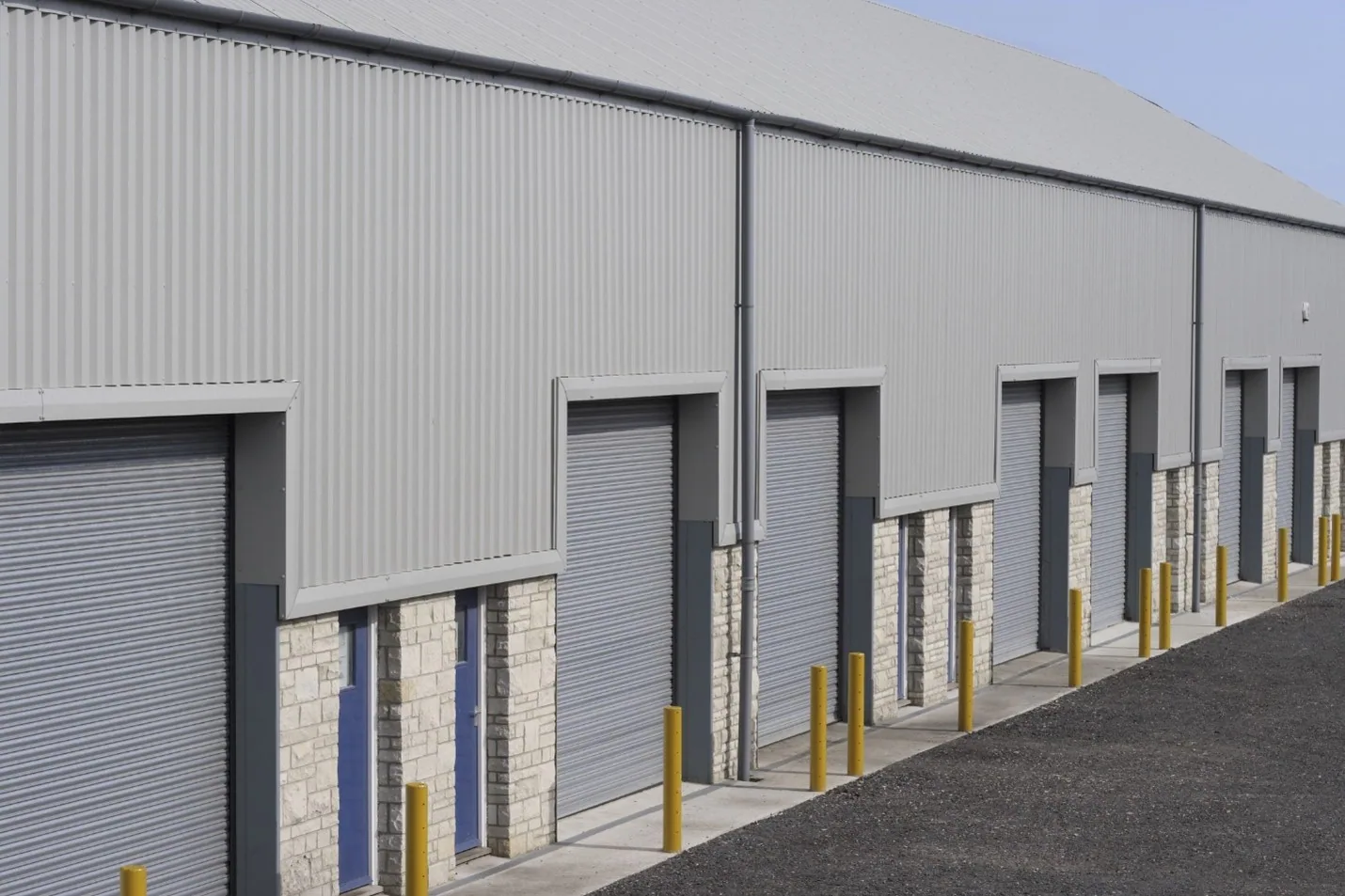
The issue: a drill hall, bays and offices under one roof
An armory is several buildings in one. A drill hall has a long span and a high ceiling. Vehicle bays have large doors and floor drains. Offices, classrooms and storage rooms sit along the side. Each has its own roof type or a different part of one roof.
The drill hall is the big exposure. Its roof is wide and has few interior walls to share the load. Its edges take wind. Its leaks fall onto a floor used for training.
So we map every section and rank it by what sits below. A bay with vehicles and equipment ranks above an empty storage room. The ranking goes in the report.
Vehicle bays have large doors. The wall-to-roof joint above a door header takes wind and water. A bay door that fails in a storm also changes the wind pressure on the roof. We check the header joint, the door seals and the floor drains together.
Training schedules also shape the roof. Drill weekends bring vehicles and equipment into the bays, and a wet bay floor on a drill weekend is a safety problem for soldiers as well as a roof problem. The roof plan ranks sections by what sits below: bays holding equipment that cannot get wet come first, classrooms next and storage last.
An armory may carry roofs from several construction years, so the first walk records each section's system, its approximate age from the file and its condition, then adds a plain recommendation of repair, retrofit or replace. The facility manager gets one page per section, which makes the request to the state budget office straightforward.
What we find: age, tie-ins and drains
Where a building has been added to, each addition leaves a tie-in. Tie-ins leak first.
Seams get a probe and flashing gets a check at every wall. We clear drains, scuppers and gutters. We check rooftop units and vent stacks. A scan locates wet insulation and a core cut confirms it, with the readings and photos logged on the plan.
Rain, humidity and summer heat keep seams, sealant and metal moving all year.
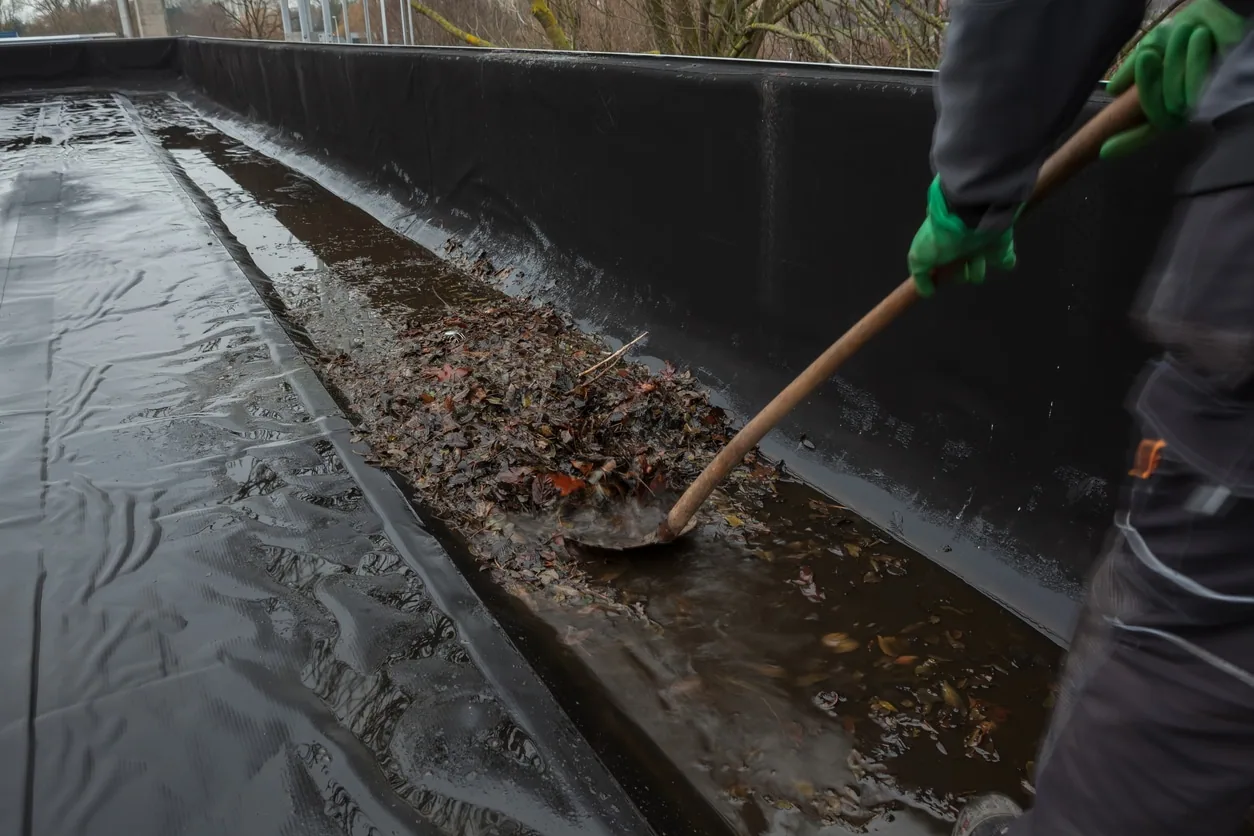
Drill halls have their own pattern. A wide span means long seams and long edges. Vibration from doors and equipment loosens fasteners. A wide roof also sheds a lot of water, and one clogged scupper can back it up behind a parapet. We check each outlet and mark any low area. A drain and scupper fix costs little beside a stained training floor.
Storm season: Guard buildings in Dixie Alley
Armories in the metro share Dixie Alley's record, which includes two F5 tornadoes and a 2011 EF4. March and April are the heavy months and November the second peak, and softball-size hail dropped on central Alabama in April 2003.
The Guard's role in storms is real nearby. At Sumpter Smith Air National Guard Base in Birmingham, about 11 miles north-northeast of Hoover, the 117th Air Refueling Wing supports state contingencies when the Governor of Alabama directs it. Any Guard building should go into storm season with a dry roof.
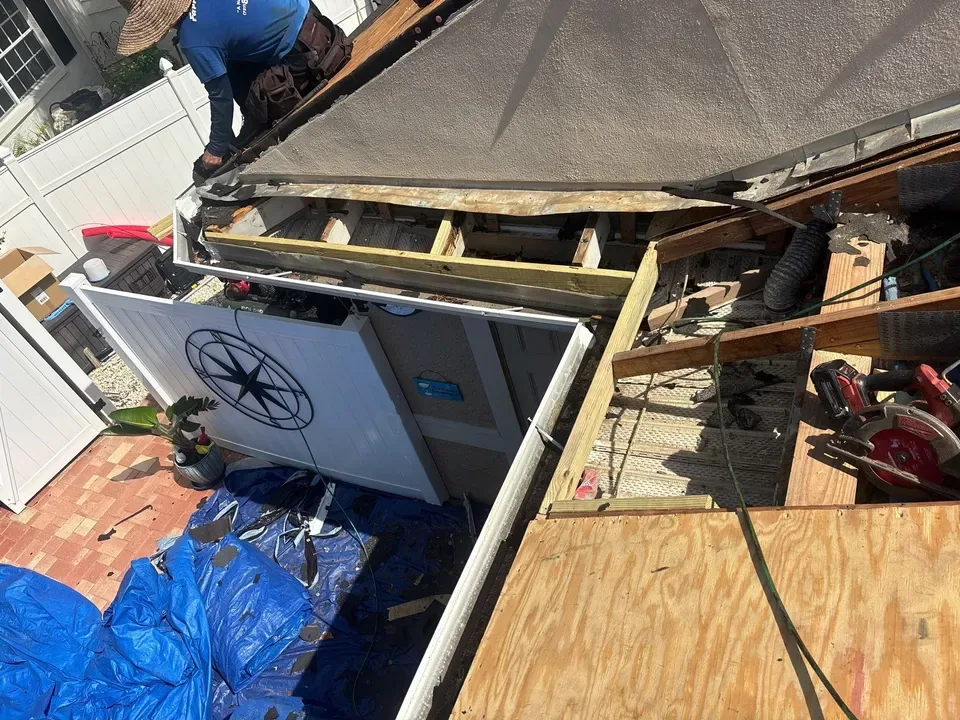
Walk the roof before the season and take dated photos. Storm damage repair compares the baseline to the post-storm roof.
Wind goes after edges and rooftop equipment. Edge metal, caps and unit fastening get checked on every section. A loose cap lets rain run behind the wall, and a fan that shifts in a gust opens its own curb. Those repairs are done ahead of March, and each section's wind-uplift notes go in the record.
When to do it: around drills and base rules
Roof work on a Guard facility follows the unit's rules. Access may need an escort or a badge. The crew may need to show identification at a gate. Photographs may be limited. Tools and materials may be checked. The first visit is when we ask for those rules and enter them in the plan.
Drill weekends set the calendar. Work waits for weekdays or the gaps between drills. Military roofing is often written to the Unified Facilities Criteria, and our scopes carry those details. We describe how the work is done and what the facility should expect.
Weather adds a limit. Summer brings about 65 days at 90 degrees or higher, so crews start at first light and skip midday adhesive work, and open sections stay small because spring storms cut work short. Autumn and winter give the best window for most armory roofs, and they fit most state budget calendars too.
What it costs: the lines a state budget needs
Price tracks roof area, penetrations, wet insulation, deck condition, access rules and phasing. Escort time and gate time add hours. We list them as a separate line.
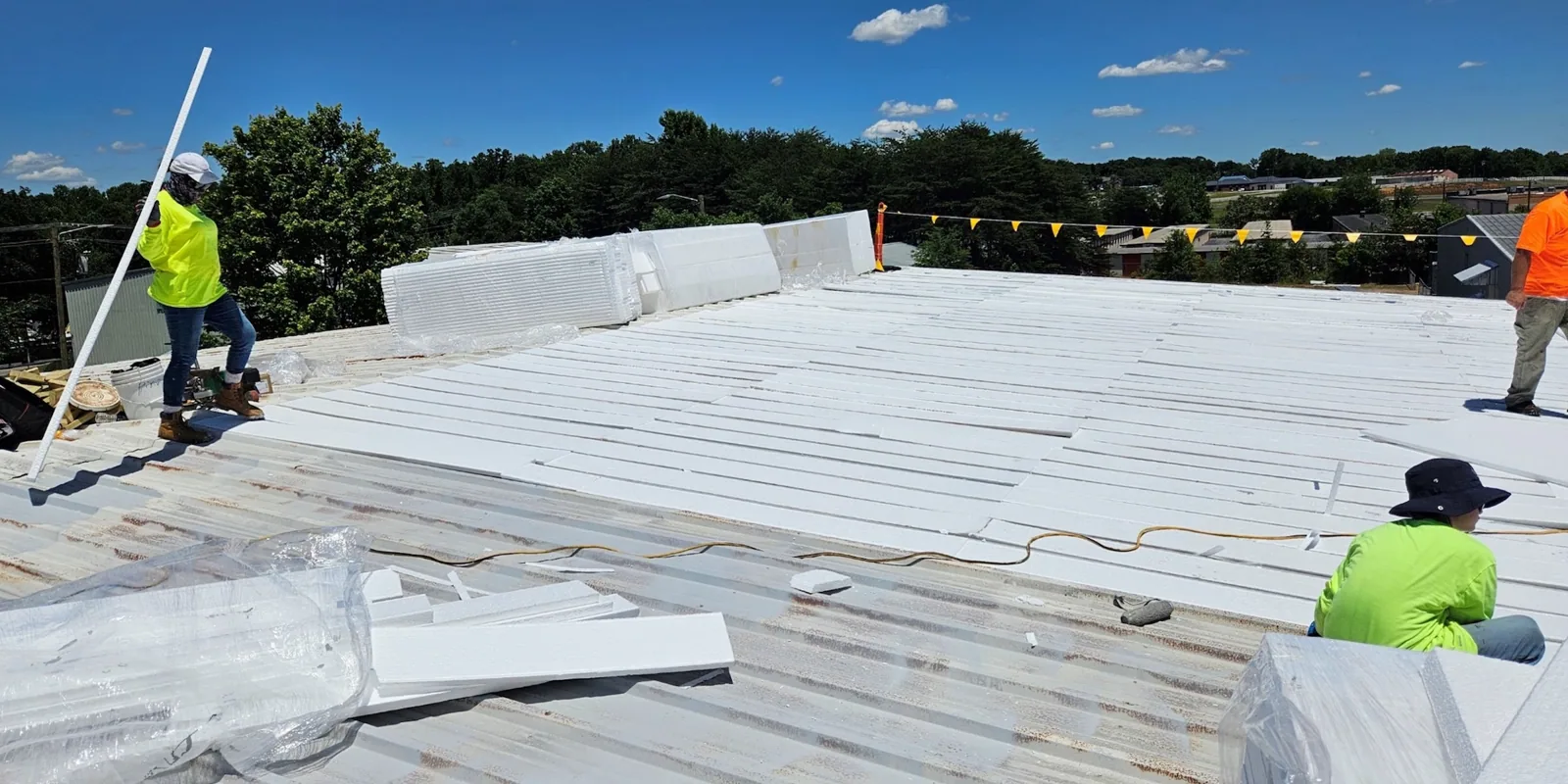
A repair costs the least. A retrofit, such as a metal roof retrofit over a stable low-slope roof, avoids tear-off and keeps the hall in use. A full replacement costs the most and resets the clock. Both sides of the repair-or-replace line are priced in writing.
The state's Division of Construction Management has enforced the 2021 International Building Code since July 1, 2022, and parts of the 2024 code arrived in March 2025. We confirm requirements with the authority having jurisdiction before pricing a replacement.
Timing moves the price. Right after a big storm, crews and materials are scarce, while a winter booking lands in a quieter market, and a March repair beats the May repair once another damp season has soaked the insulation.
More on National Guard Armory Roofing
Local: Guard and military buildings in the metro
Sumpter Smith Air National Guard Base in Birmingham is the metro's Guard air presence, and the wing there flies the KC-135R tanker.
Each armory in the metro gets its own survey, whether it sits in Birmingham or farther out. A military hangar or maintenance facility carries the same access rules, and a government building shares the public budget calendar.
Records finish the job. The closeout file for the manager carries a punch list, the warranty walk and detail photos for the next audit. A building run on a different public schedule, such as a campus, follows the logic of school roofing.
Commercial Roofing Questions
How do you work around drill weekends?
We schedule roof work on weekdays or in the gaps between drills, and we agree the calendar with the facility manager first. Emergency repairs happen any time.
Do you need escort or badging to work on a Guard facility?
Often yes. We ask for the access rules at the first visit, list them in the plan and follow them. The crew carries identification and keeps to the approved route.
Should the drill hall roof be a retrofit or a replacement?
It depends on the structure and the budget year. A metal retrofit avoids tear-off and keeps the hall in use. A replacement resets the roof completely. We price both on the same basis so the manager can compare them.
How do you handle vehicle bay roofs?
Bay roofs have large doors, exhaust and floor drains. We check the roof above and the wall-to-roof joint at the door header, and we phase the work so vehicles can move.
What if the roof opens during a storm?
The line is open day and night. The first visit is about stopping water and logging where it got in.
Related Roofing Work
Roof Drains and Scuppers
Storm Damage Roof Repair
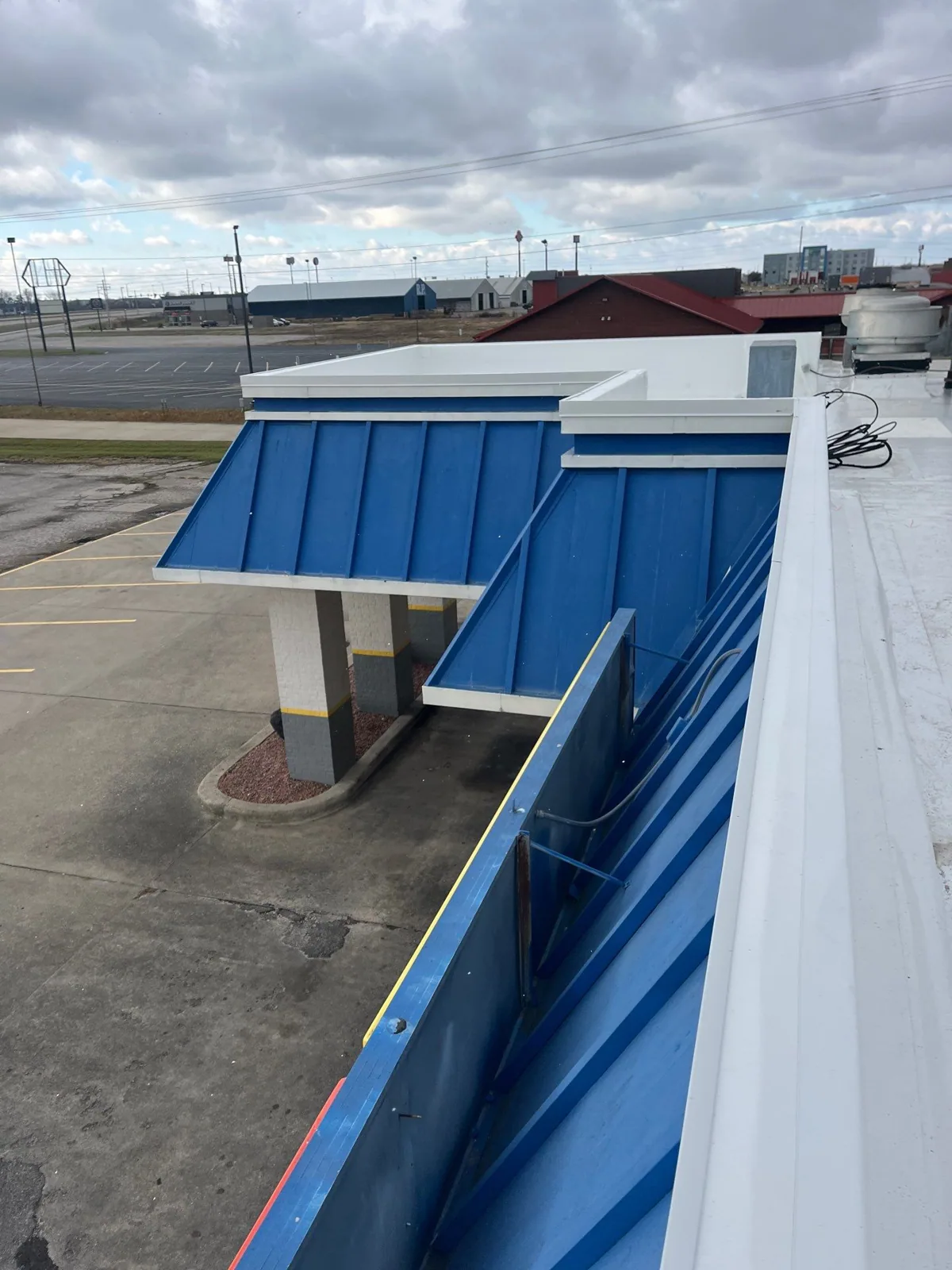
Metal Roof Retrofit

Downtown Birmingham
Emergency Leak Calls
Call for a storm walk or budget review
Call before storm season or ahead of the state budget cycle. The walk pins down which sections come first, what each fix costs and which budget year it belongs in.