Montevallo
Commercial Roofing in Montevallo, AL
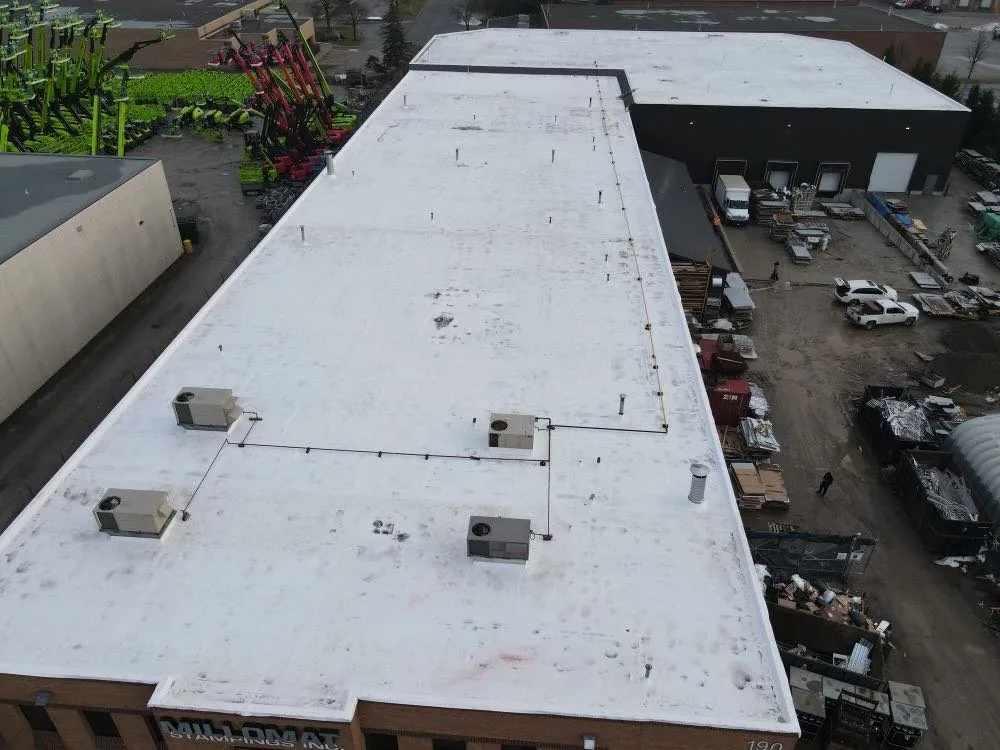
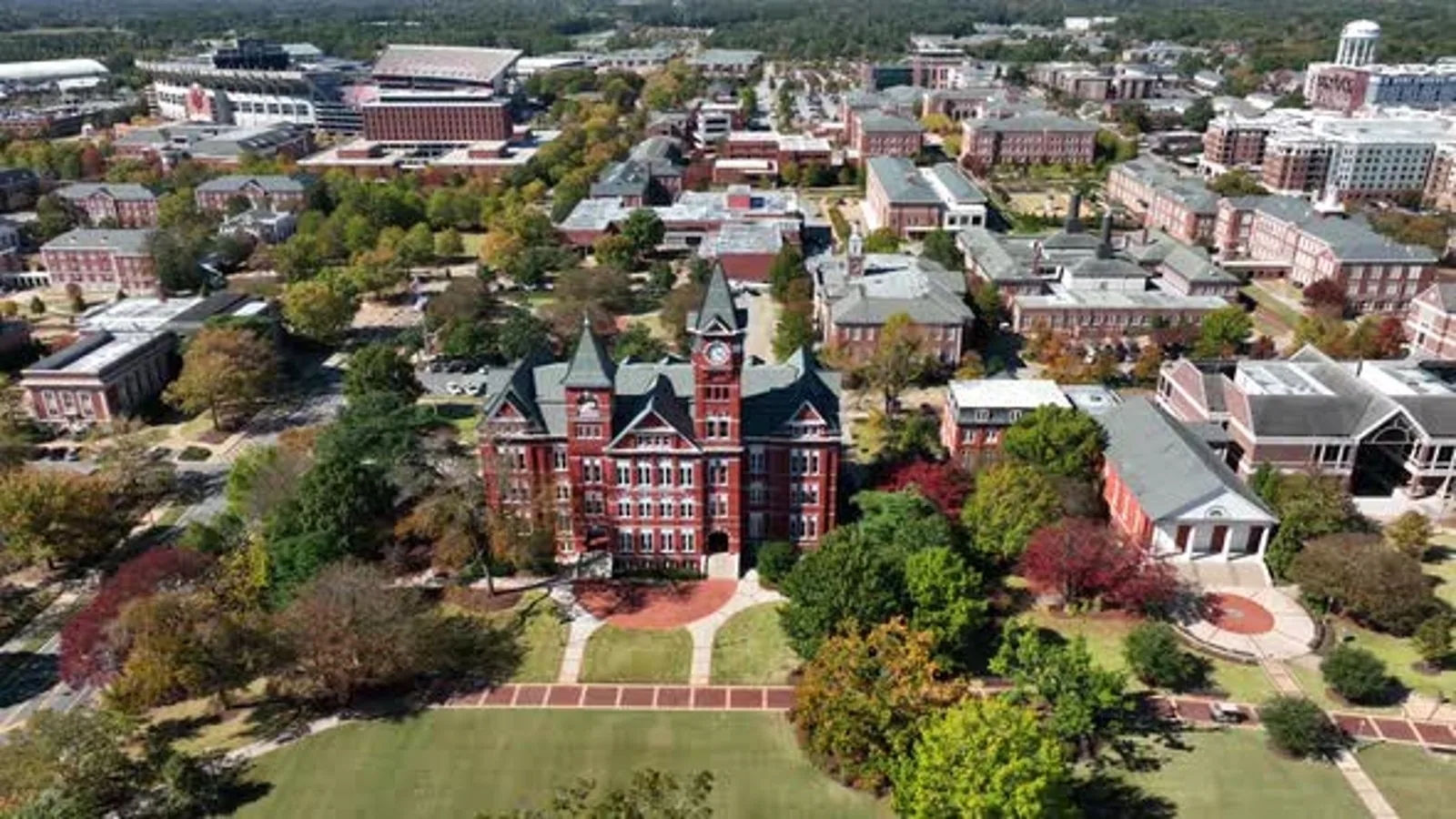
Montevallo, AL is a college town. The University of Montevallo, founded in 1896 and home to about 3,000 students, became the town's main source of commerce once the Aldrich coal mine closed in 1946. Highway 119 runs through town, SR 25 passes near its eastern edge and the 2020 census counted 2,837 housing units. Commercial roofs in town sit on campus-area buildings, older downtown buildings and roadside properties, and some of them are historic. Commercial roof repair and replacement are our work in Montevallo, and the opening step is always a storm walk, followed by a written statement of the point at which repair gives way to replacement. The routine never varies: walk, photograph, write, price, and then you choose.
Historic buildings: roofs that need a second look
Built in 1823 in the Federal style, the King House stands as the oldest structure on the University of Montevallo grounds, and it holds a place on the National Register of Historic Places. It shows that this town has old buildings, and old buildings come with old roofs and old rules.
If your building is old or historic, ask about review before you plan a job. A listed building, or one in a historic area, may need approval before the roof changes, and materials, color and profile can all matter. We check what applies first and fit the plan to it.
An older building can carry slate, metal, shingle, layers of built-up roofing or a mix, and the first visit sorts it out. Documentation helps in both directions: photos, a sketch and a written scope show what was there before the work, whether a review board asks or an insurer does. We keep a copy in the roof file and send you one. Old roofs fail in old ways. Valleys leak, flashing at chimneys and parapets cracks and gutters built into the cornice rot from inside. We check each, and we say which repairs match the original details and which need a modern fix. Sometimes both are possible, and both get a price.
College-town timing: summer is the window
A college town follows a calendar. Semesters set the noise rules, and events or move-in weeks can crowd streets and parking. Roof work that ignores the calendar draws complaints.
For many buildings near campus, summer is the easy window. Book it in winter so crews and materials are ready. You get a written schedule with start and finish dates, rain-day allowances and a building contact. Materials are staged away from walkways and ladders stay out of foot traffic. Where students and staff walk below, we fence the work area, cover walkways under overhead work and clear debris every day, and the plan is confirmed with the building contact before the first day.
Budget around the calendar as well. A repair is priced the same way in July or October, but a missed summer can push a replacement back a full year. Know your deadline and we work backward from it, with room for material lead times and rain days.
Downtown and Highway 119: shared walls and roadside roofs
Older buildings often share walls, and a shared wall creates a tie-in, the point where one roof runs into another. Tie-ins fail first, and every one gets checked on the walk.
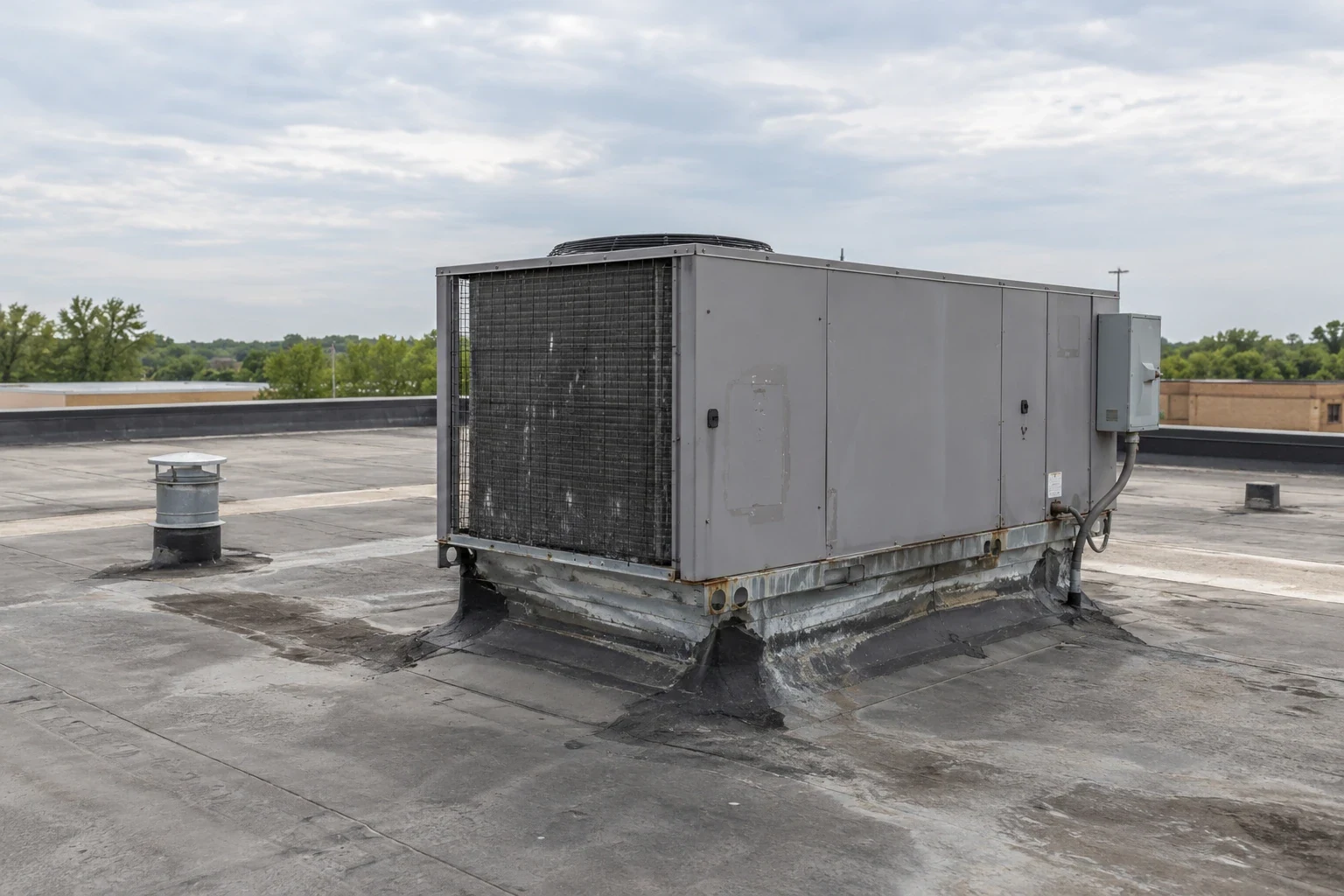
Roadside buildings along Highway 119 and SR 25 face wind and road grit. Wind lifts the edges first, so edge metal and coping get a look, and grit clogs scuppers, which we clear and photograph before and after. On any roof, find the edge of each pool after rain, and if water holds past a day or two, mark it and call.
Roadside lots add traffic and deliveries, so lifts and staging go where they do not block an entrance, and work proceeds in sections that leave the building dry each night. A small downtown has small roofs, and each one matters. A leak in one building can pass to the next through a shared wall. Tell your neighbor when you plan a roof job, and we can coordinate when both sides of a wall need work.
Storm season: March, April and November
Montevallo sits in the same Dixie Alley as Birmingham, where F5 tornadoes in 1977 and 1998 and an EF4 in 2011 are part of the record. Severe thunderstorms come in spring and again late in the year, and on April 25, 2003 softball-size stones landed across central Alabama.
A hail check belongs on the late-winter list, with a storm walk after each large storm. Claims from storms gather in March, April and November. After the sky clears, and only if conditions are safe, look over the edges, drains and ceilings. If any water has found a way in, phone us. A tarp and a drying crew come ahead of the repair quote. Photos from the same day help any claim.
Budget year: cost, code and heat
What drives price here: the size of the roof, how hard it is to reach, how many layers must come off, any insulation that has absorbed water, the state of the deck and, on a historic roof, specialty materials. Every driver appears by section on the estimate, so the spending is easy to follow.
Montevallo replacements are checked against the building code the state enforces and against ASHRAE/IES 90.1-2013 for energy. The insulation depth those documents require can move the price. Heat and rain are hard on seams and sealants here as everywhere in the metro.
Waiting has a cost, and we write it beside the repair price. Letting a leak run all spring can soak the insulation and rot the deck. Waiting then turns out to have been a decision, and we want it made with the numbers. On a historic roof, delay also puts interior finishes at risk, and those are harder to replace.
More on Montevallo
What to bring to the first call
Before you phone, collect the address, the roof age if anyone knows it, invoices and any records on how the building has changed. Be ready to say where water appears.
The work here includes college and university roofing, commercial roof repair and claim documentation. After a windy night, a roadside building may need wind damage roof repair at the edges. The same approach reaches Indian Springs Village and Moody. Ask about the schedule and about permits too. Some jobs need one and a historic building may need more, and we say who pulls it and how long it takes.
Commercial Roofing Questions
Does a historic building need special approval for a roof job?
It can. A listed building, or one in a historic area, may need review before the roof changes, so ask early. We check what applies, then pick materials and details to fit.
When is the best time to reroof near campus?
Summer suits many buildings. Book bids in winter so crews and materials are ready. You receive a written schedule with rain-day allowances.
What do shared walls mean for my roof?
Shared walls create tie-ins, and tie-ins fail first. Flashing and sealant get checked at each one. A neighbor's leak can pass for yours, so the source is traced before any price.
How do I know what my old roof is made of?
The first walk answers it. A core cut or a look from the attic shows the layers. Records help, but the roof tells us more.
What does waiting cost?
If a leak runs through a wet spring, the insulation can soak and the deck rot, and the job grows into a tear-off. Each choice gets its cost in writing.
Related Roofing Work
College and University Roofing
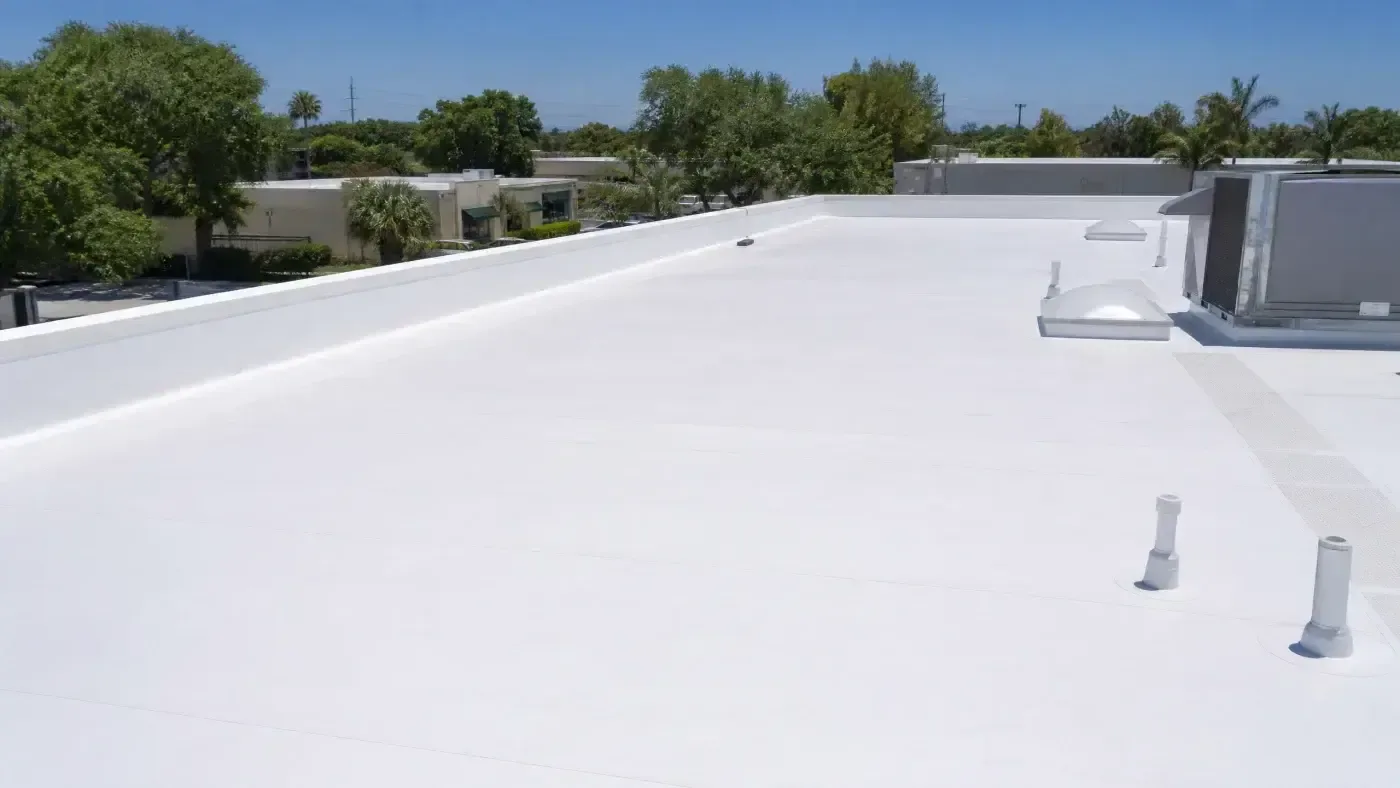
Commercial Roof Repair
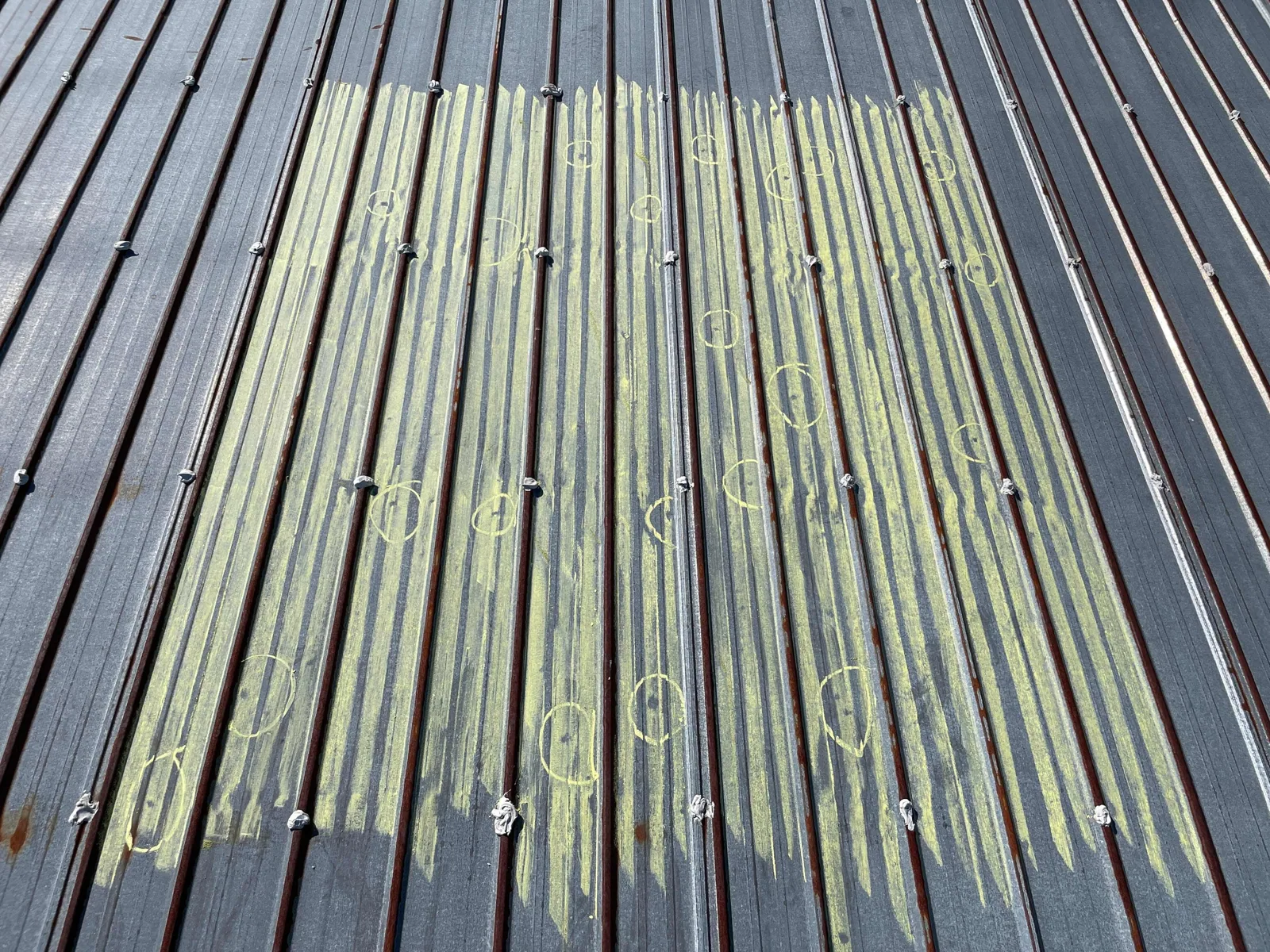
Roof Insurance Claim Assistance
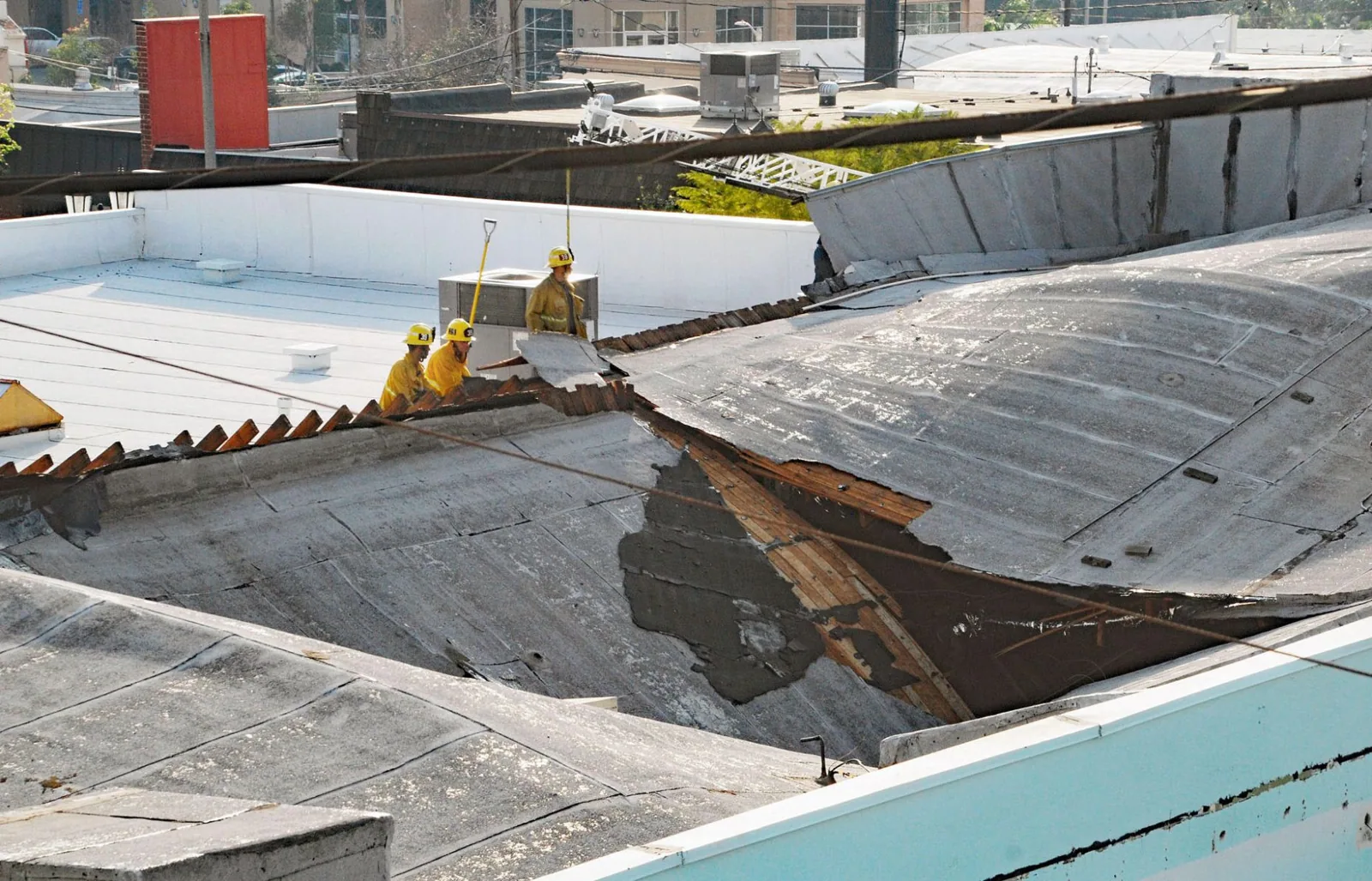
Wind Damage Roof Repair
Emergency Leak Calls
Call for a storm walk or budget review
Call before spring storm season or before your budget year closes. The walk pins down ponding lines, tie-ins and your repair-or-replace line, in writing, with a price on each side.