
College and University Roofing
College and University Roofing in Hoover, AL
A campus has two calendars that matter to a roof: the academic year and the storm year. They overlap in March and April, when spring semester is at full speed and severe storms arrive. A facilities lead near Hoover, AL has about one real window for big roof work: from commencement to move-in.
So the plan starts in winter. Survey in January, price in February, approve by April, start the day after graduation. We hand your office a ranked list with a price on each roof before the budget closes.
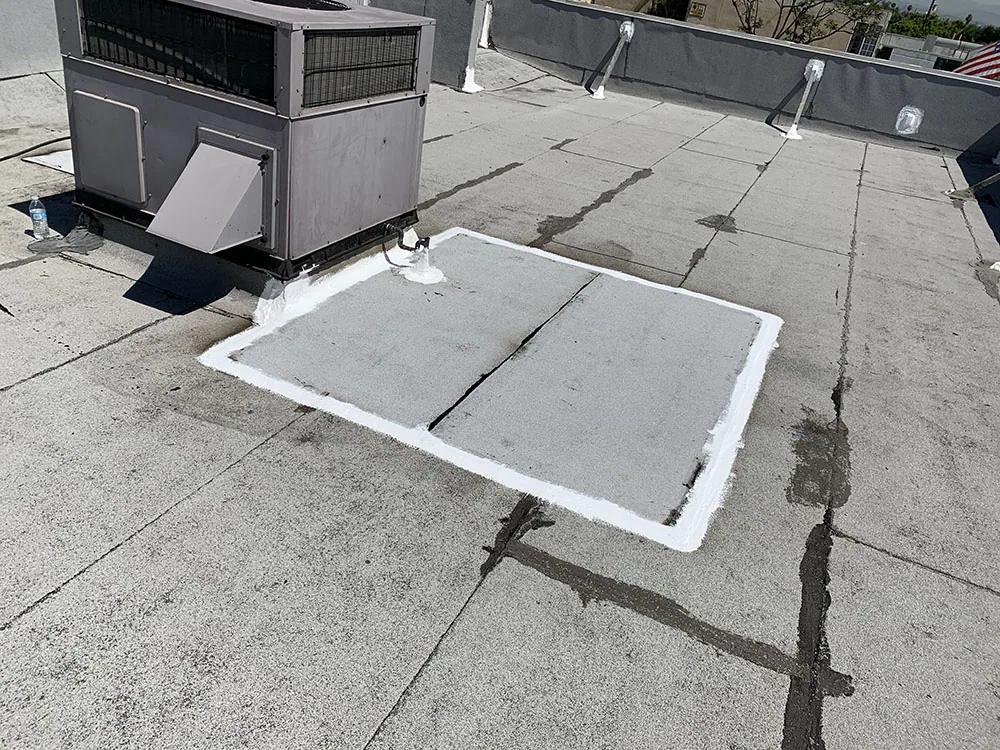
The issue: age mix and historic details
Campus roofs span many decades. An older hall can sit next to a new science building. Each has its own membrane, its own penetrations and its own problems. Older halls have parapets, copings, gutters and tie-ins that took years of patching.
Historic buildings add review steps. Homewood's Hollywood Historic District covers 815 acres and 412 contributing buildings, and preservation review can affect roof work. The University of Montevallo's King House, a Federal-style building from 1823, is the oldest structure on campus and is on the National Register of Historic Places. Roof work on buildings like these needs matching details and a plan for approvals.
We map every roof, rate each detail and note which buildings carry extra rules. A hall with a decorative cornice or a stone coping gets a note on materials and a photo of the detail before anything is touched. Matching a historic edge costs more than a plain one, and the report shows the difference in dollars. That list tells the facilities office what can start now and what needs a review first.
What it costs: a missed summer and a closed lab
A roof that misses its summer gets another year of weather. A leak in a lab or library costs more than the roof repair that would have stopped it: research, collections, equipment and class time. Wet insulation grows quietly, and a deck repair follows.
Cost on the roof moves with area, layers, wet insulation, equipment to lift, historic details and access around students. We price each of those separately, so the budget office sees where the money goes. An infrared moisture survey finds the wet insulation before a ceiling does and keeps a repair to the size of the problem.
Storm season: spring semester and Dixie Alley
The Birmingham area sits in Dixie Alley. Tornadoes marked this metro in 1977 and 1998 (both F5) and again on April 27, 2011 (EF4). Thunderstorm risk crests in spring and returns from November into early December, and on April 25, 2003 hail as large as softballs hit central Alabama.
Strong wind strips edge metal, coping and unit covers off campus roofs, and hail bruises membrane over libraries and labs. When a severe report comes in we walk the roofs, taking edges first, then units, drains and tall walls. We photograph each item with a date, and the file goes to facilities, risk management and the insurer.
When to do it: Southside, Homewood and Montevallo calendars
The area's largest employer, UAB, and its adjacent hospitals sit in Southside, and UAB is the area's largest employer. Samford University is the only college in Homewood. The University of Montevallo, founded in 1896, has about 3,000 students. Each campus has its own calendar, but the roof window is the same: after commencement, before move-in.
Small repairs happen in breaks. Big work waits for summer. Summer brings camps, conferences and orientation, so the plan names the buildings that stay in use and keeps entries, loading docks and fire lanes clear on those dates. Heat is a factor too, since summer runs to close to two months of 90-degree days. Crews start at first light, and we choose materials that tolerate heat. An occupied building reroof plan covers summer classes and conference guests.
Budget year: a roof plan for every building
A campus has too many roofs for a guess. The condition report ranks them. It lists every roof with photos, moisture findings and a recommended action. The plan then spreads the work over budget years: leaks and drains first, then the weakest roofs, then the rest.
A multi-site roof program keeps the records in one format across buildings. A new facilities lead can pick it up on day one. A trustee or a lender can read it in minutes. It saves time in every budget meeting.
Departments that share a building often split its roof cost, so the report names the building and not the department, and a facilities office can allocate each line without rereading the findings.
More on College and University Roofing
Recommendation: start with the oldest and the most valuable
Rank by what sits below and by age. Libraries, labs, archives and residence halls go first. Fix the leaks and drains this winter. Plan replacements for summer. Handle historic buildings with a matching detail and an early review.
Replacement scopes on campus follow the building code the state has adopted, plus its ANSI/ASHRAE/IES 90.1-2013 energy standard. Campus health clinics follow hospital roofing rules, and K-12 buildings follow school roofing. A campus in Montevallo or Birmingham uses the same plan.
What to ask us: five questions for a facilities office
Call with the building list and your academic calendar. Then ask these.
- Which roofs sit over labs, libraries, archives and residence halls?
- Where are the open details, and which are urgent?
- Which buildings need a historic review before work starts?
- What does each summer phase cost?
- What do the cores and moisture readings show?
Photos, readings and a price come back to you. We also need commencement, move-in, exam and event dates, and for the buildings that cannot close. Those dates shape the schedule more than the roof does.
If a leak shows during the semester, call us and we send a crew for a temporary dry-in. We photograph the opening, protect the room below and plan the permanent fix for the next break.
Commercial Roofing Questions
When is the best time for campus roof work?
After commencement and before move-in, with small repairs in breaks. We recommend a January survey, a February price and an April approval. A late start means a short summer and a higher price, because crews book their best dates by spring and materials take weeks to ship. Reserve a range of dates, so a rainy week does not push back the entire job.
How do you handle historic buildings?
We document the existing roof, match materials and details and work with your preservation reviewer. Review steps can add weeks, so We recommend starting the review in winter. We provide photos, drawings and a written scope that the reviewer can approve without a second visit.
Can roof work happen during classes?
For repairs and storm response, yes, with fencing and clear routes. For replacements, summer is the better fit, and We recommend saving large work for break, with noise near exams and events planned with the registrar and the events office.
How do we prioritize a long list of roofs?
By what sits below and by condition. Libraries, labs and archives rank first. We recommend a ranked list with photos and prices, so the budget committee sees why one roof moves ahead of another. We update it after every storm and every inspection, and we flag any roof whose rank has changed since the last report, so no one finds out about a drop in condition from a stain.
What is the benefit of a condition report?
It shows what was found, in photos, with dates and prices. A new facilities lead can pick it up on day one. We recommend filing it with your insurance and capital files. After a storm, the dated photos show what changed.
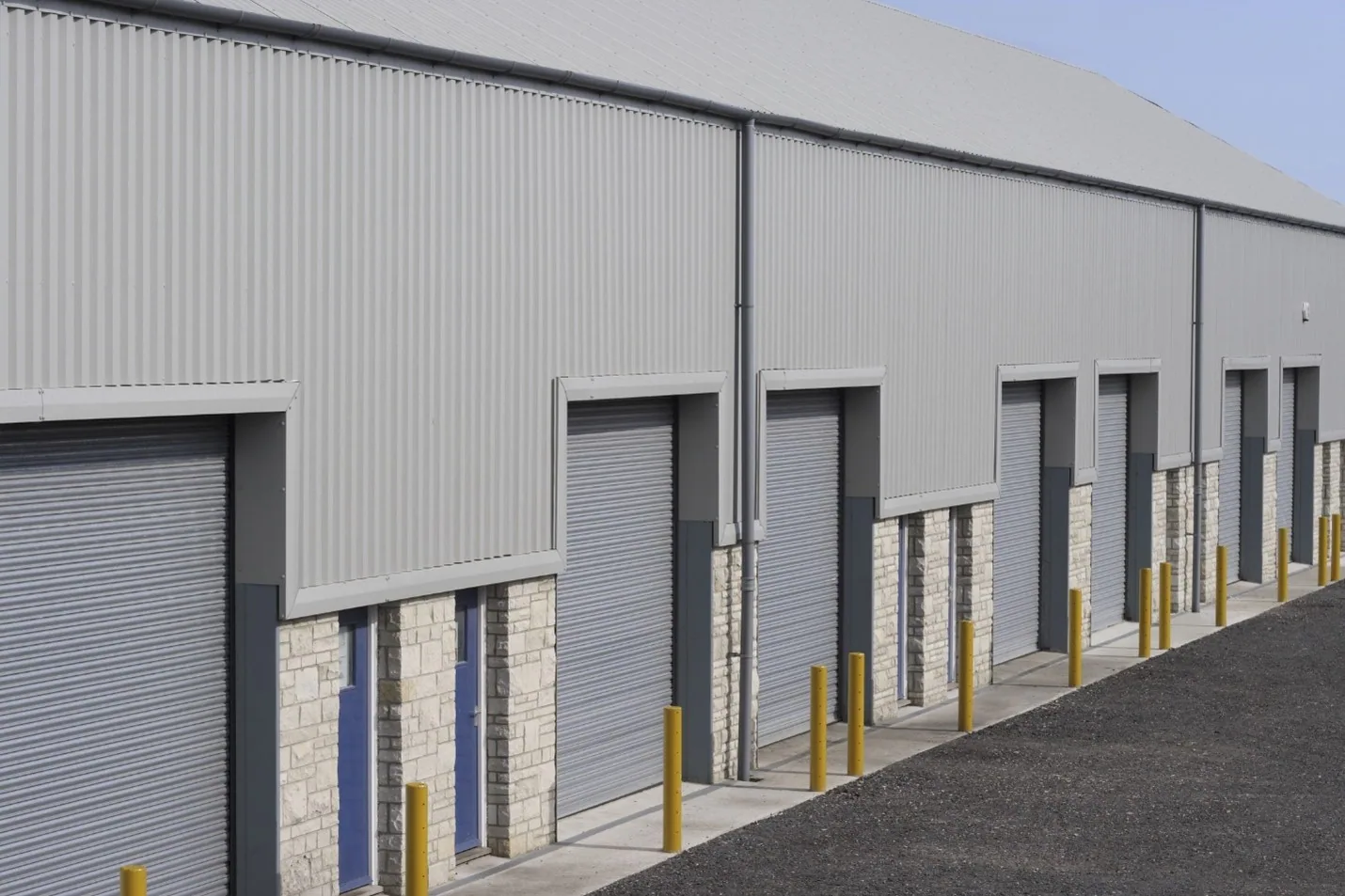
Related Roofing Work

Infrared Moisture Survey
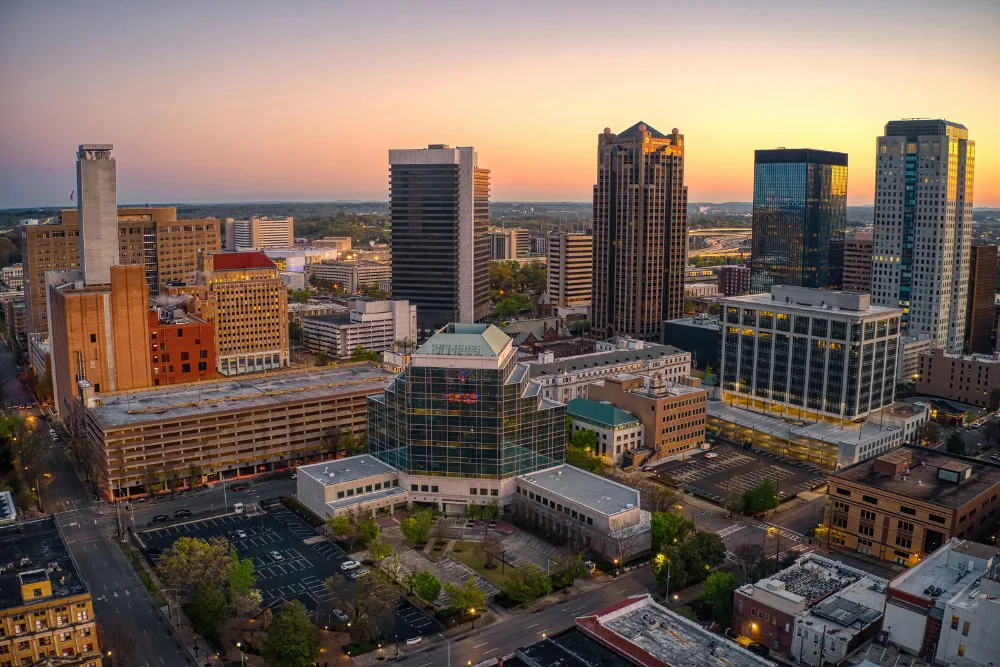
Southside, Birmingham
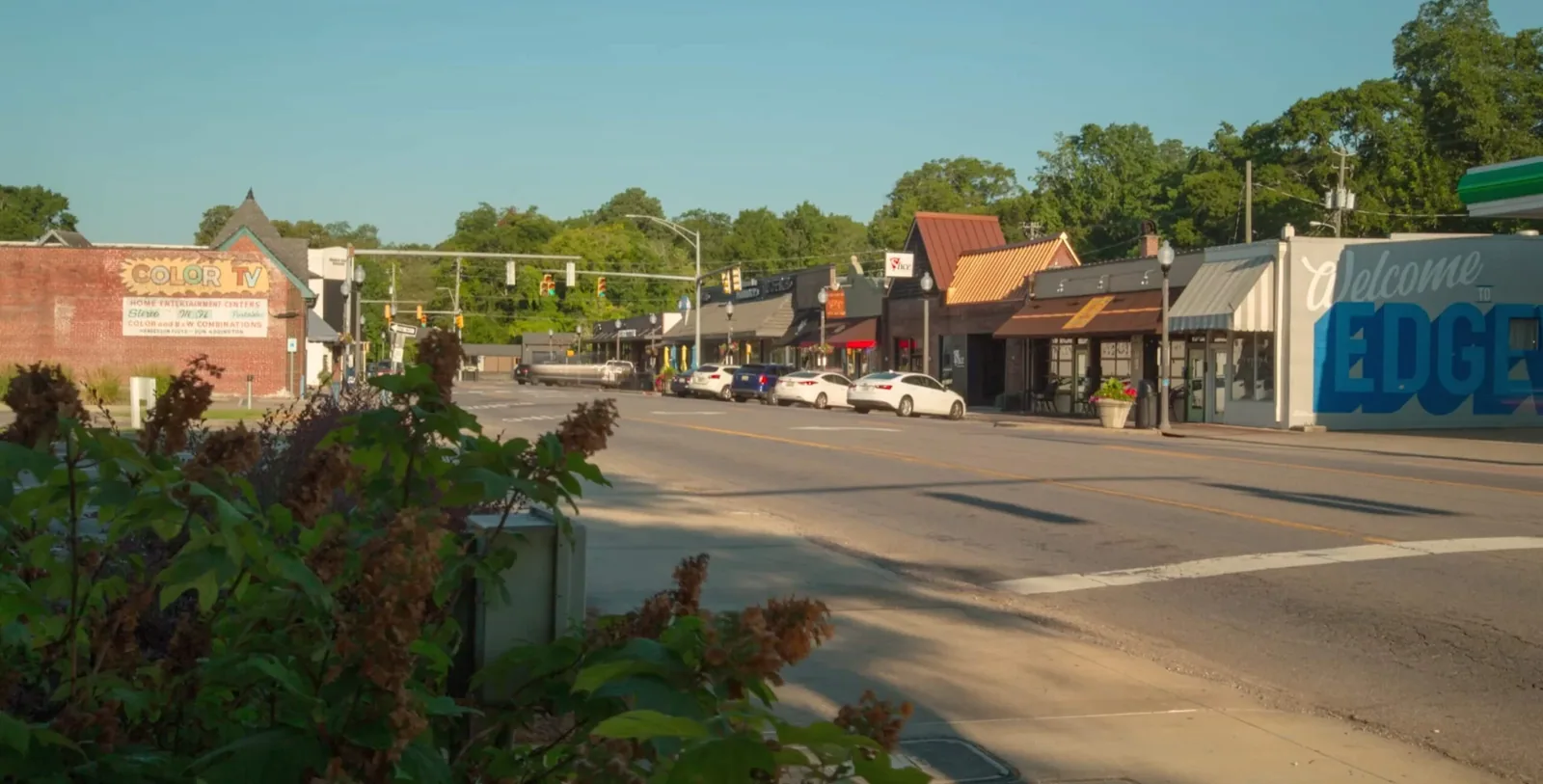
Homewood
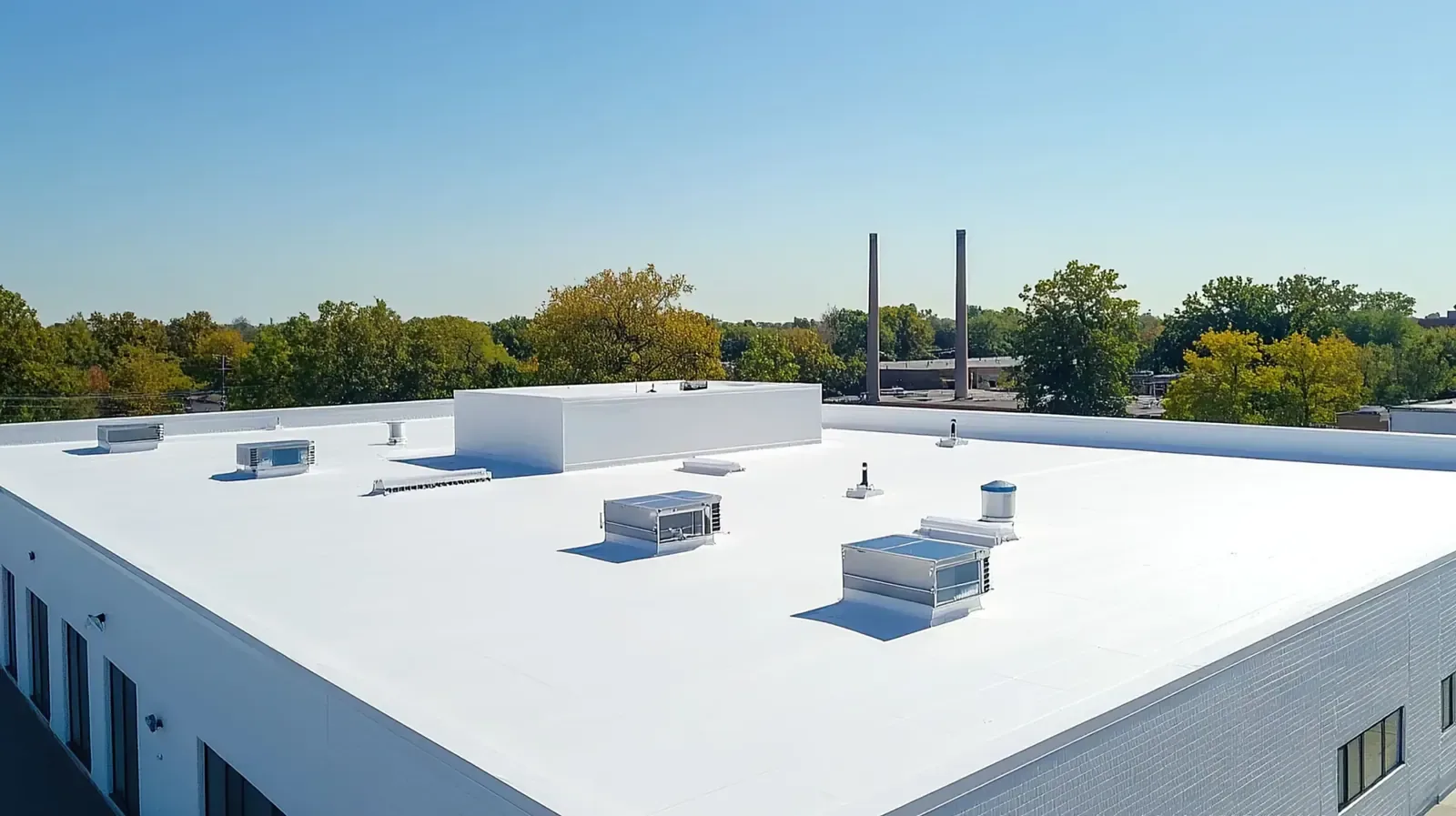
Occupied Building Reroofing
Emergency Leak Calls
Call for a storm walk or budget review
Call in winter, before the summer calendar fills, or after a severe storm report. The visit pins down which buildings go first and what each phase costs. You get it in writing, ready for facilities and finance.