
Senior Living Roofing
Senior Living Roofing in Hoover, AL
A leak over a resident room in April costs more than the same leak in January. Spring is storm season in Hoover, AL. The Birmingham area sits in Dixie Alley, and severe weather peaks in March, April and again in November. A senior living community cannot empty a wing while a roof is open. So the roof has to be sound before the season starts. Senior living roofs, low-slope or metal, are repaired, recovered or replaced, with a plain budget line for each section.
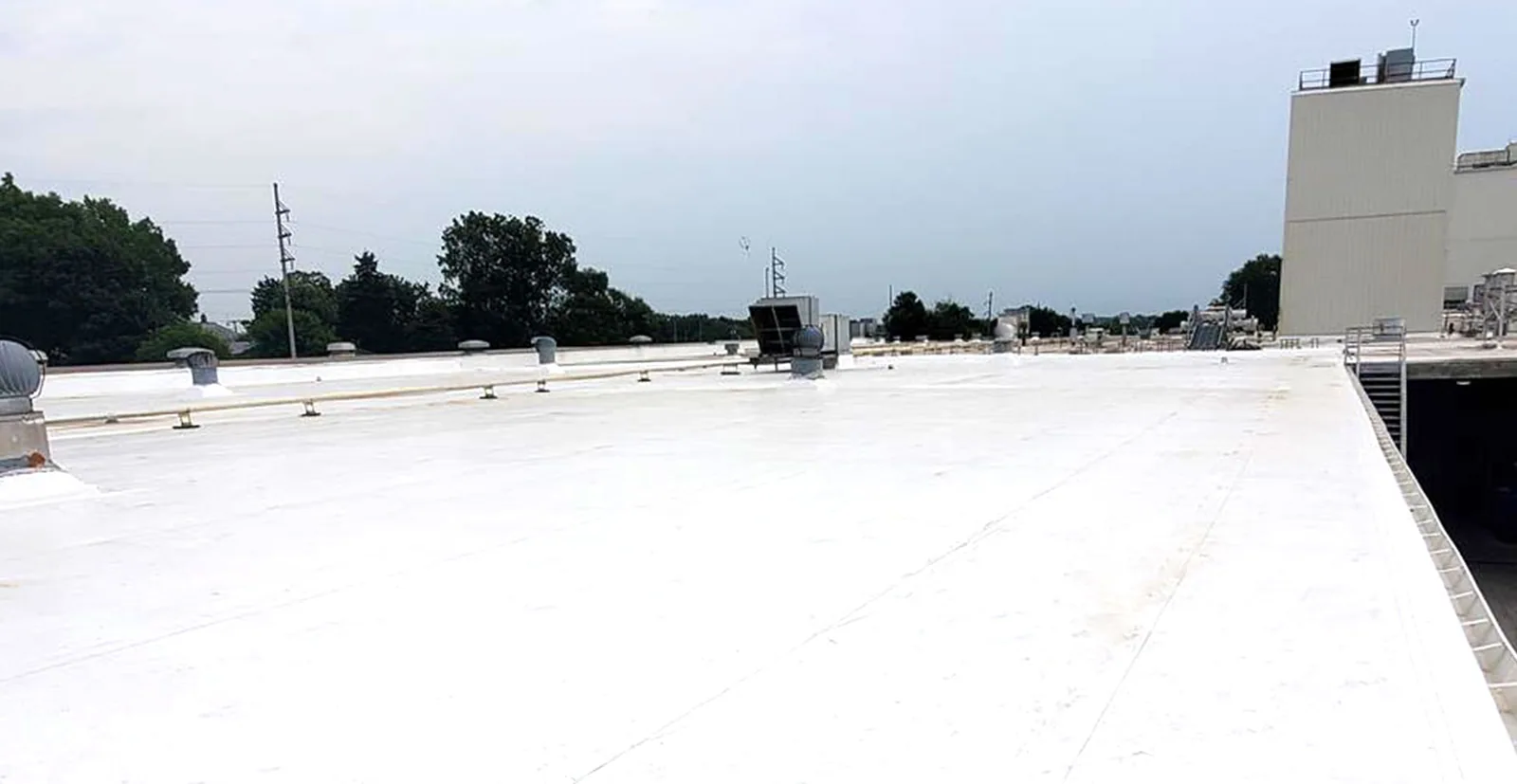
The issue: people live under this roof
Residents are home all day. Water in a room is not a facilities problem alone. It is a care problem. A wet floor is a fall risk. A damp ceiling is a comfort and air quality complaint. A stained wall draws family questions.
So we rank roof sections by who sits below them. A resident wing ranks above a storage corridor. A dining room ranks above a garage. The membrane may look the same on both. The consequence is not the same. We write that ranking into the report so the administrator can defend the order of spending to an owner or a board.
Access is part of the issue. Roof hatches sit in utility rooms. Ladders sit in locked closets. A crew arriving at night needs a key and a name. We ask for the access route and an after-hours contact at the first visit, and we write both on the roof plan. That one step saves an hour when water is coming in.
What we find: the usual weak spots
Senior living buildings have many small roofs. Entry canopies. Courtyard connectors. Kitchen wings. Rooftop units over common areas. Each one has tie-ins to a wall, and tie-ins leak first.
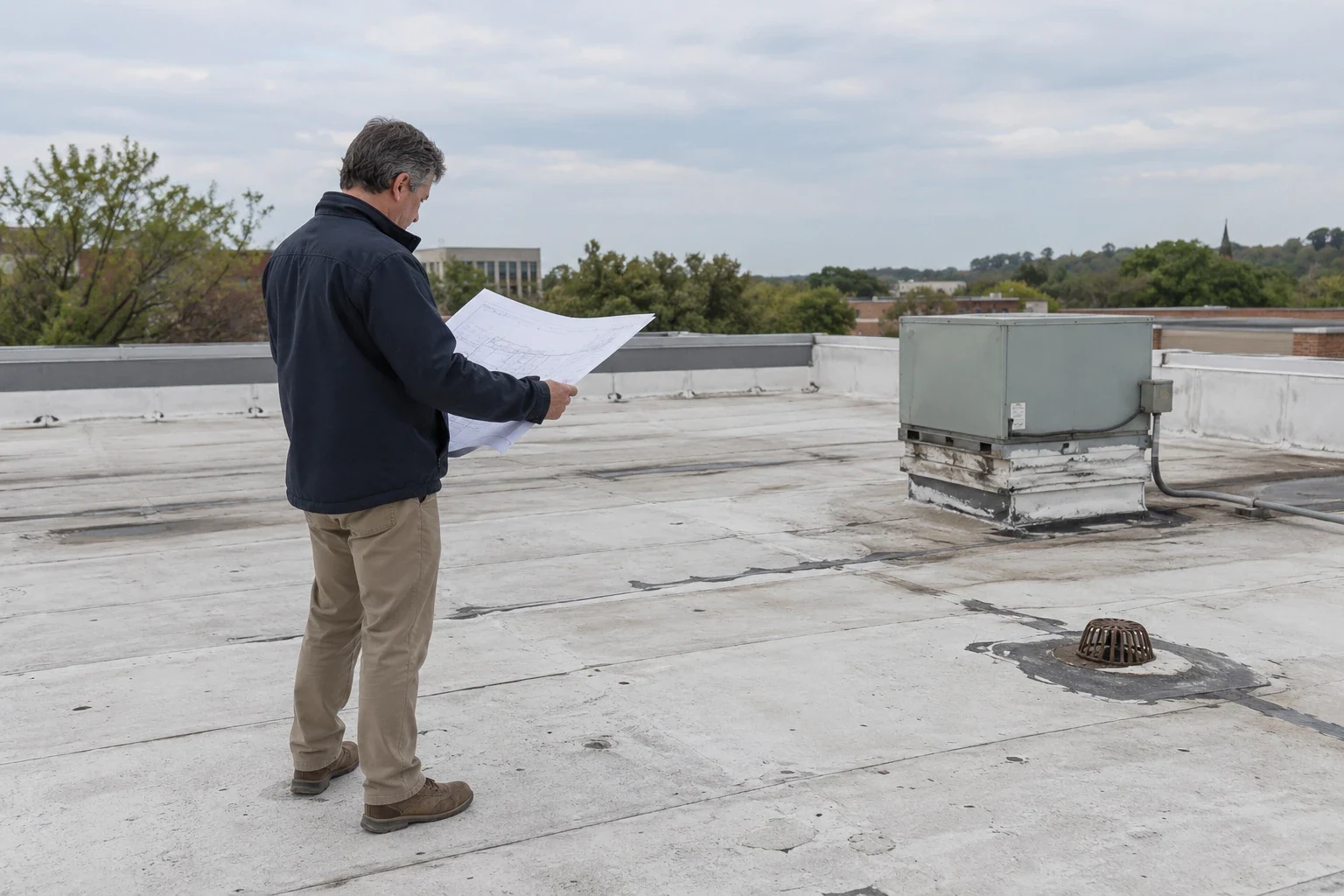
We check the flashing at every wall. We check pipe boots, vent stacks and unit curbs. We clear scuppers and look at ponding lines. A moisture scan finds wet insulation before it shows on a ceiling. Humidity matters here too. Humidity here stays high and summers run hot. Heat and damp wear on seams and sealant all season.
Kitchen exhaust is next. A senior living kitchen runs three meals a day, and the fan discharges grease and steam onto the membrane. Watch for stained, soft or blistered sheet near the fan. A pan under the discharge and a walkway pad cost little. A softened membrane costs more.
We also look at rooftop units. Heating and cooling run all year in these buildings. Units that cycle hard wear on curbs and boots. Condensate lines that drip on the sheet stain it and feed algae. We mark each one and fix the worst first.
Storm season: tornado and hail history
Birmingham's tornado history includes F5 storms in 1977 and 1998 (the 1998 one hit Hueytown and Oak Grove) and an EF4 on April 27, 2011. Softball-size hail came down on central Alabama on April 25, 2003, within a year of 29 hail days above 0.75 inch.
Hail bruises membranes you cannot see from the ground. So order a hail check after any event with large stones. Do it within a week. Photos with dates matter for an insurance file. Storm damage repair starts with a tarp-and-dry. Then we walk the whole roof and mark what the storm broke and what was already worn.
When to do it: quiet phasing
The best window is late autumn through winter. Storm risk is lower. Temperatures are workable for most materials. Crews work in sections small enough to close each day.
We plan around residents. Loud work waits until after breakfast and ends before dinner. We protect air intakes and keep entrances clear. We keep walkways free of cords and debris. A named contact on the staff approves changes fast. An occupied building reroofing plan lists each step before the first day. If a section must stay open overnight, it gets a full temporary cover and a late check.
Weather plays a part. Spring storms build fast, so open sections stay small. Summer heat can run past 90 degrees for weeks, which softens adhesives and limits crew hours. Winter is mild enough for most work, and we put the loudest tear-off in the hours when the fewest residents are in their rooms.
What it costs: the cost drivers
Roof area comes first. Then the number of penetrations and curbs. Then how much insulation is wet. Then the deck. Then the access and phasing.
A repair is cheap when the roof is dry. A section replacement costs more but stops repeat calls. A full replacement costs the most and starts a new service life. Repeat repairs add up. Three calls to the same corner in a year are a sign. Fix the detail, not the stain. Both sides of the repair-or-replace line carry a written price, so the administrator can see them together.
Timing drives cost too. Waits stretch and materials tighten right after a big storm, whereas a replacement booked in winter lands in a quieter market. A March repair costs less than the emergency one in May. That is the plain reason to inspect before the season, not after it.
Quiet hours and meal times shape the day rate. A crew that stops for lunch service and starts again after rest hours gets fewer working hours, and the estimate shows that adjustment so the administrator can compare it with a full-day schedule.
More on Senior Living Roofing
Budget year: what to carry on the books
Carry each roof section as its own line. Record its age, its last inspection, a replacement window as a range and the rooms below it. A roof capital planning list ranks sections so money goes to the worst first.
Owners with several communities can use multi-site roof programs to compare buildings, whether they sit near Riverchase or farther out. Hospitals and apartment communities carry similar risk patterns.
Lenders and insurers ask about the roof too. A dated survey with photos answers them in one file. Update it after every storm and every repair. The file turns a hard question into a short answer.
Commercial Roofing Questions
When should a senior living community replace a roof?
Plan it for late autumn or winter, before spring storm season. Replace when moisture has spread through the insulation or repairs keep returning at the same detail. We give you the repair-or-replace line in writing, with a price on each side, so the board can decide with numbers in hand.
Can residents stay in their rooms during roof work?
Usually yes. We work in small sections, protect interiors below any opening and keep loud work to agreed hours. If a section sits over a resident room with an open leak, we tarp it first and move the work around that wing.
How do I find out if hail hurt my roof?
Book a hail check inside a week of any storm that drops stones bigger than a quarter. From the ground you often cannot see bruising. We walk the roof, photograph each finding and sort it into storm damage, older wear or unknown.
What records should the administrator keep?
Keep the roof plan, the age and system of each section, every repair invoice and every inspection report. Add dated photos after storms. With those, an insurer or an owner can follow the roof's history without a new survey.
Do you work after hours on a leak?
The line is open day and night all year. The first visit stops the water and logs the opening. A permanent repair follows when weather and materials allow.
Related Roofing Work
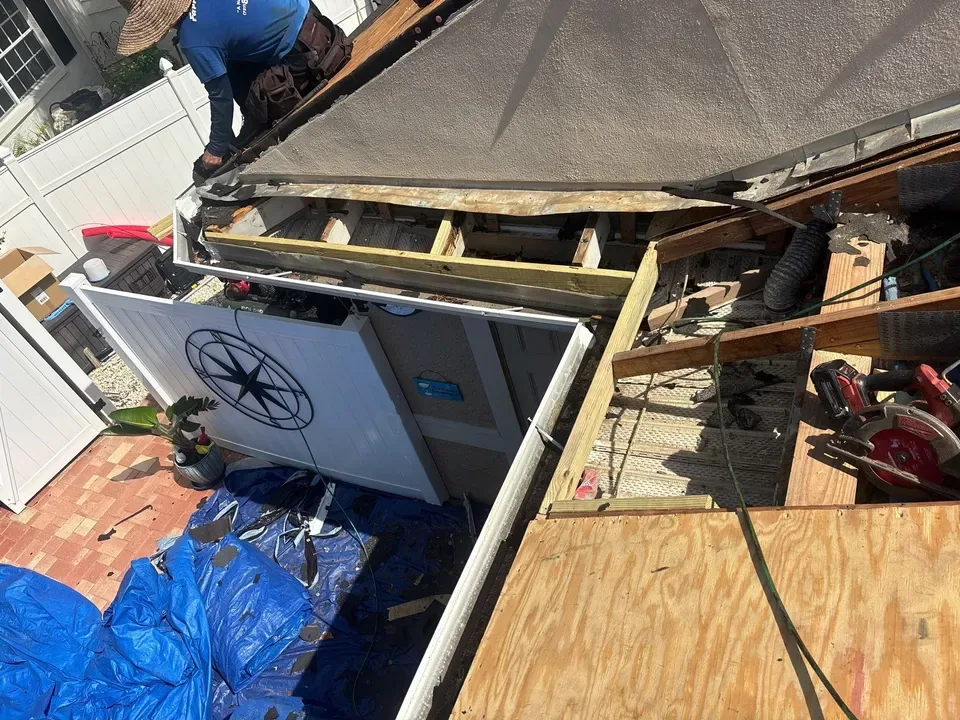
Storm Damage Roof Repair
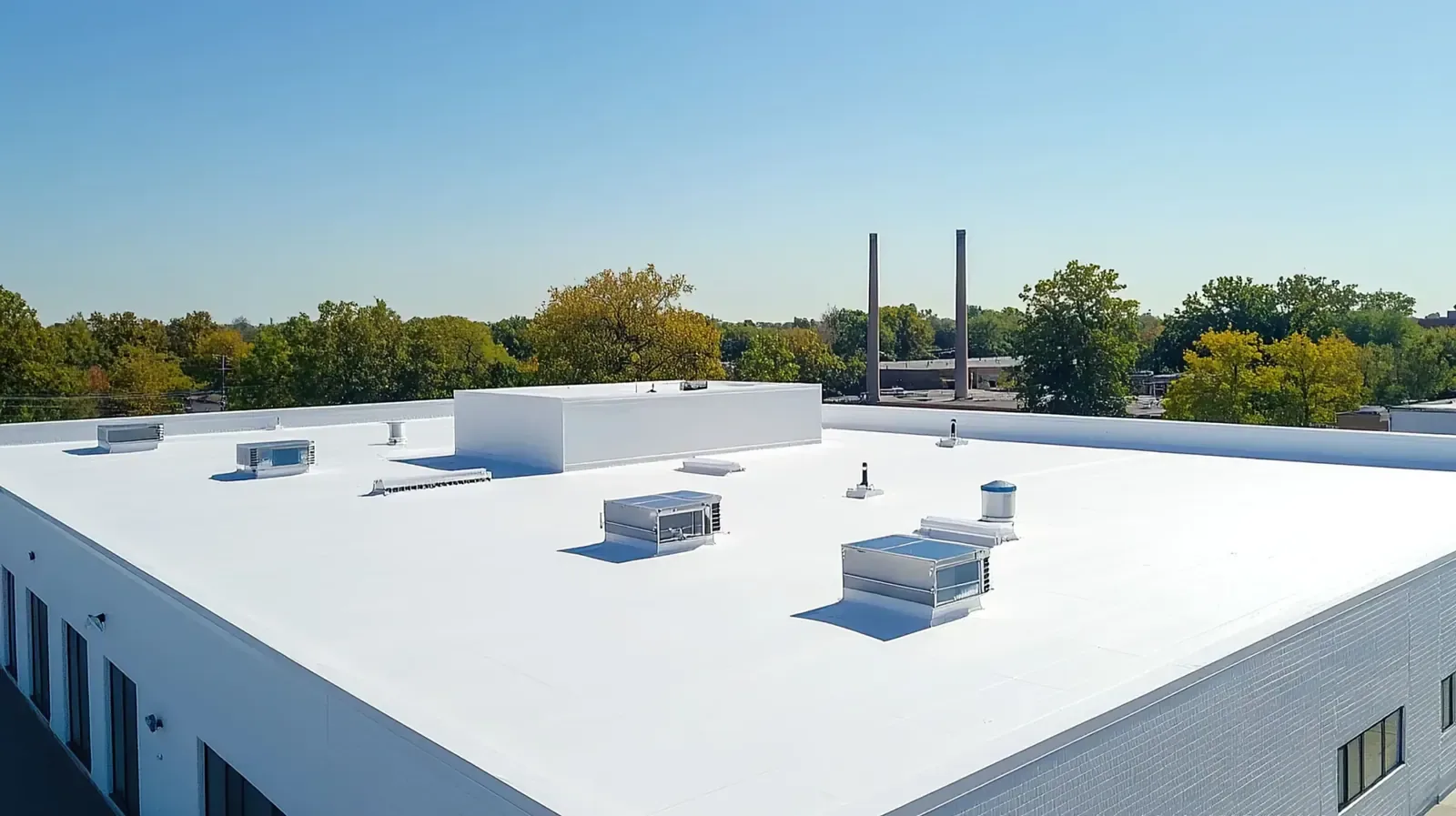
Occupied Building Reroofing
Roof Capital Planning

Multi-Site Roof Programs
Emergency Leak Calls
Call for a storm walk or budget review
Call before storm season or right after a storm. The visit pins down which sections come first, what each repair or replacement costs and which budget year it belongs in.