
Aircraft Hangar Roofing
Aircraft Hangar Roofing in Hoover, AL
A hangar roof covers aircraft and equipment that cost far more to damage than the roof costs to maintain, and a storm does not ask whether the doors were open. In Hoover, AL, a hangar sits in the Dixie Alley that gave the Birmingham area its F5 storms of 1977 and 1998 and its EF4 of April 27, 2011. A hangar is a big box with a huge door opening, and that makes wind a cost question. We repair, retrofit and replace metal and low-slope roofs on aviation buildings, and we mark wind-uplift and edge details on the plan before the season starts.
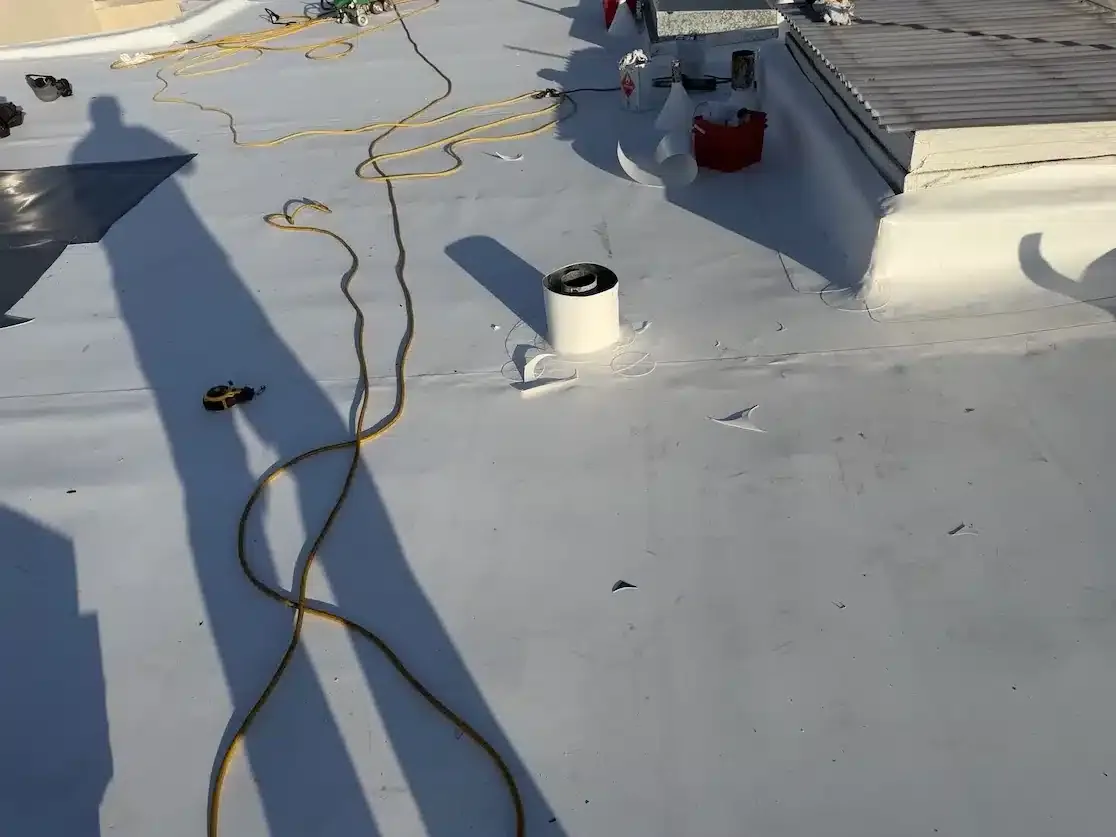
The issue: a big span with a bigger opening
Hangars have long spans, tall walls and wide doors. The roof is usually metal panels on steel purlins or a membrane over a metal deck. There are few interior walls and few columns. Hangar doors are very wide.
That shape has a wind problem. If the door is open or fails in a storm, wind enters the building and pushes up on the roof from below. The roof then sees pressure from inside and suction from outside at the same time. Edges and corners fail first.
So the details matter more than the field. We check panel fasteners, clips, ridge, eave and rake trim, and every wall-to-roof joint. Then we record a wind-uplift note for each section.
Skylights and daylight panels add a second set of openings. They crack, yellow and leak at their curbs. A cracked panel over an aircraft is a drop hazard as well as a water source. We check each one, its curb and its flashing, and skylight and penetration flashing work replaces failed units with proper curbs.
What we find: fasteners, laps and condensation
On metal hangars, the first finding is usually fasteners. Washers dry out. Screws back out. Panels move with heat and cold. Laps open. Sealant cracks. We check by hand and mark each weak spot.
Condensation is the second. A large, uninsulated metal roof sweats when warm, damp air meets cool metal. Drips fall on aircraft and tools. It looks like a leak but is not one. We separate the two by checking the roof above and the dew point below. A moisture scan finds wet insulation where a building has it.
Humidity in the Birmingham area averages about 70 percent. Rain averages about 56.6 inches a year. About 65 days a year top 90 degrees. Metal and sealant work all year.
Gutters and downspouts on a hangar carry a lot of water. A roof that wide sheds fast, and a clogged gutter overflows onto the apron or the door track. We clear them, check slope and fasten loose sections. Door headers and track covers are checked for water entry too, since a wet door track can stop a door from opening.
Offices and shops attached to a hangar often have low-slope roofs of their own. They tie into the main wall. The tie-in cracks. We probe every junction and rebuild it with proper flashing.
Storm season: wind, hail and the door
Severe weather peaks in March and April and returns in November. The April 25, 2003 hailstorm over central Alabama produced stones up to softball size, and the weather service counted 29 hail days above 0.75 inch that year. Hail dents panels and chips coatings. A dent is cosmetic until the coating cracks. Then it is a rust spot.
Walk the roof within a week of any big storm. Take dated photos. Check ridge caps, edge trim and skylights. Wind damage repair starts with temporary protection and a written damage map. We keep the door and hangar floor in mind, since water on the floor is a fire and fall issue.
When to do it: around flight and maintenance schedules
Roof work above aircraft needs rules. We agree on where aircraft sit, what covers go over them and when the crew can be above. Tools never cross a plane. Debris is caught and swept. We keep a fire watch and avoid open flame near fuel or fumes.
Fire suppression systems add a limit. Foam or sprinkler piping hangs from the roof structure, and work near it needs care. We locate every pipe and head before the first day, and we protect them.
The best season is autumn and winter. Storms are less frequent, and the temperature range is workable. Summer heat is a limit for adhesives and for crews. Work runs early and stops by the afternoon peak.
Plan ahead for materials. Long panels and special trim have lead times. Order in autumn for a winter install. A job planned that way finishes before the March storm window and avoids the post-storm rush, when crews and panels run short.
What it costs: repair, retrofit or replace
A repair is the lowest first cost. It means resetting fasteners, resealing laps and replacing damaged trim. It works while the panels are sound.
A retrofit installs new framing and panels over the old roof. It avoids tear-off, which matters in a building that cannot be emptied. It costs more than repair and less than a full replacement. A metal roof retrofit is the route.
Replacement removes the old roof. It costs the most and resets the clock. Cost drivers are roof area, panel gauge, fastener count, trim length, equipment, the fire system and access. We price all three on the same basis so the owner sees each side by side.
Storm timing shifts price. After a big event, wait times grow and some materials cost more. A job booked in a calm winter month avoids that. A small repair in March costs less than the same repair after a May hail event, since water has less time to spread.
Lift access sets part of the price, since reaching a tall hangar eave with a boom costs more per day than a ground-level repair, and the estimate lists lift days apart from labor and material.
More on Aircraft Hangar Roofing
Local: aviation buildings in the Birmingham metro
Fultondale sits near Birmingham's airport, and rail lines run along the city's eastern edge from Boyles Yard in Tarrant. I-65 and US 31 are Fultondale's two major north-south highways. In Fultondale, a January 25, 2021 EF3 tornado did significant structural damage to homes, vehicles and businesses.
An aviation building in Fultondale, near Birmingham's airport, gets the same wind-uplift review as any hangar. Flex industrial roofs share the metal-and-membrane mix, and a military hangar or maintenance facility adds base access rules.
Commercial Roofing Questions
Why do hangar roofs fail at the edges first?
Wind pressure is highest at corners and edges, and an open door adds pressure from below. We check clips, fasteners and trim there first and recommend added attachment where the evidence calls for it.
Is every drip in a hangar a roof leak?
No. Condensation on cold metal drips like a leak. We check the roof, the insulation and the dew point to tell the two apart before recommending a repair.
Can roofing proceed with aircraft inside?
Yes, with rules. We agree on aircraft positions, covers, debris control and fire watch. Foam and sprinkler lines are located and protected before work starts.
Is a retrofit worth it on an older metal hangar?
Often, if the structure can carry the load. It avoids tear-off and keeps the building in use. We price retrofit and replacement on the same basis and recommend the one that fits the framing and the budget year.
What if the roof opens during a storm?
Ring us immediately. A crew can be dispatched at any hour. The first visit stops the water and protects the floor, and the permanent repair follows.
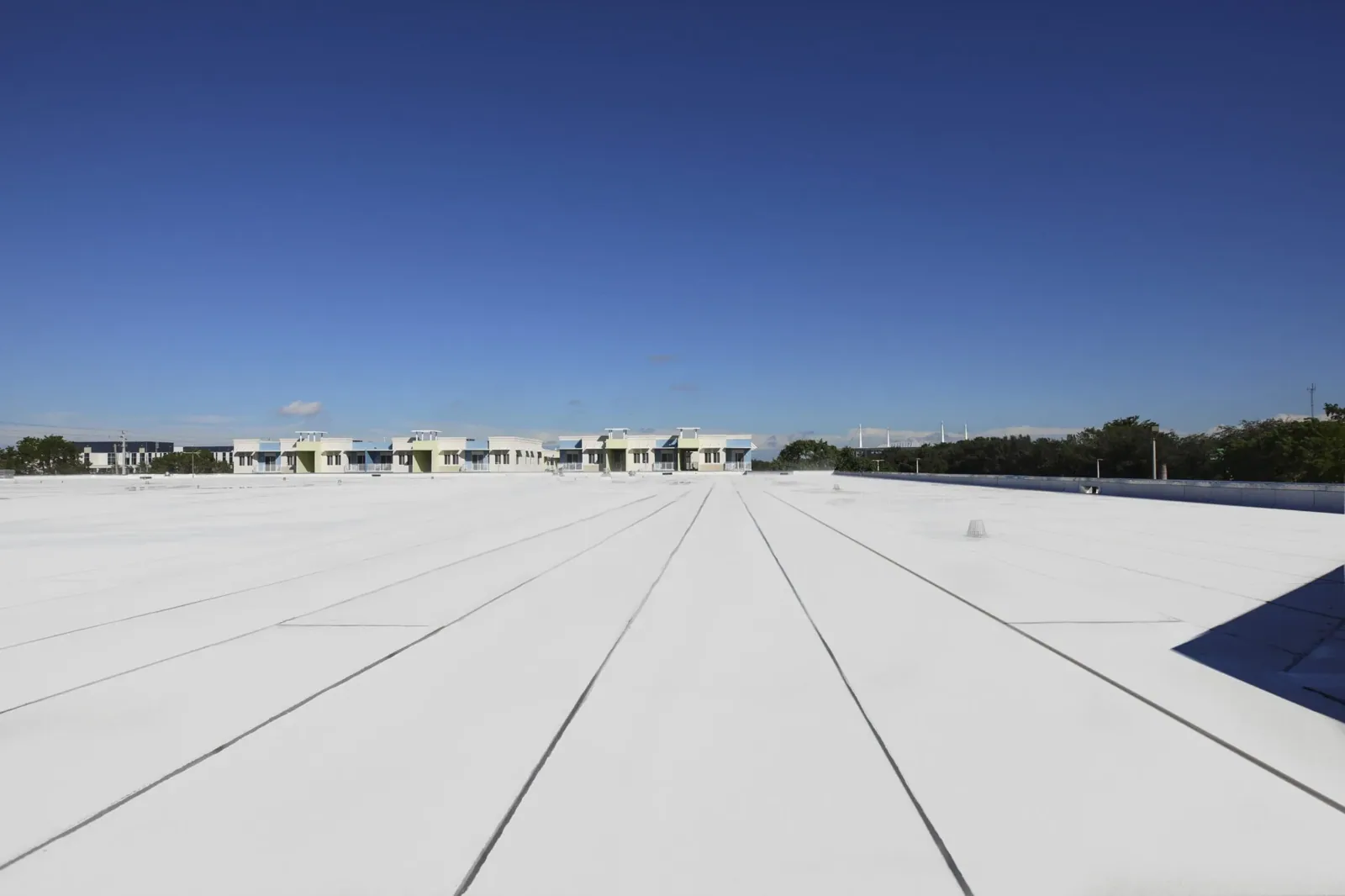
Related Roofing Work
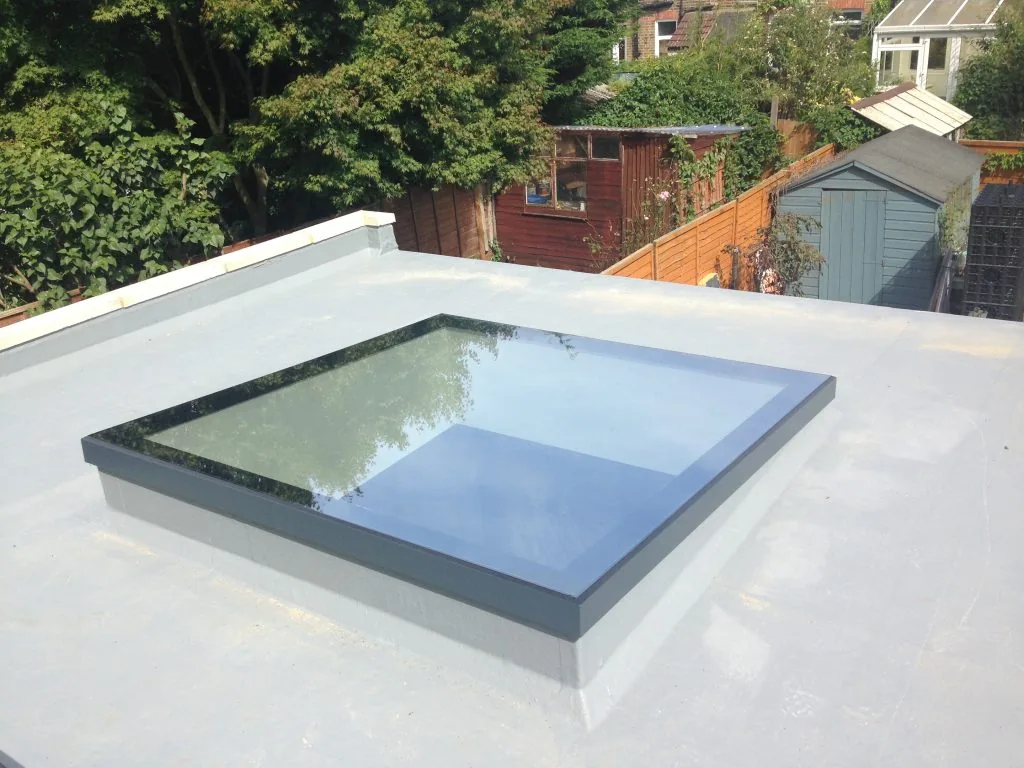
Skylight and Penetration Flashing
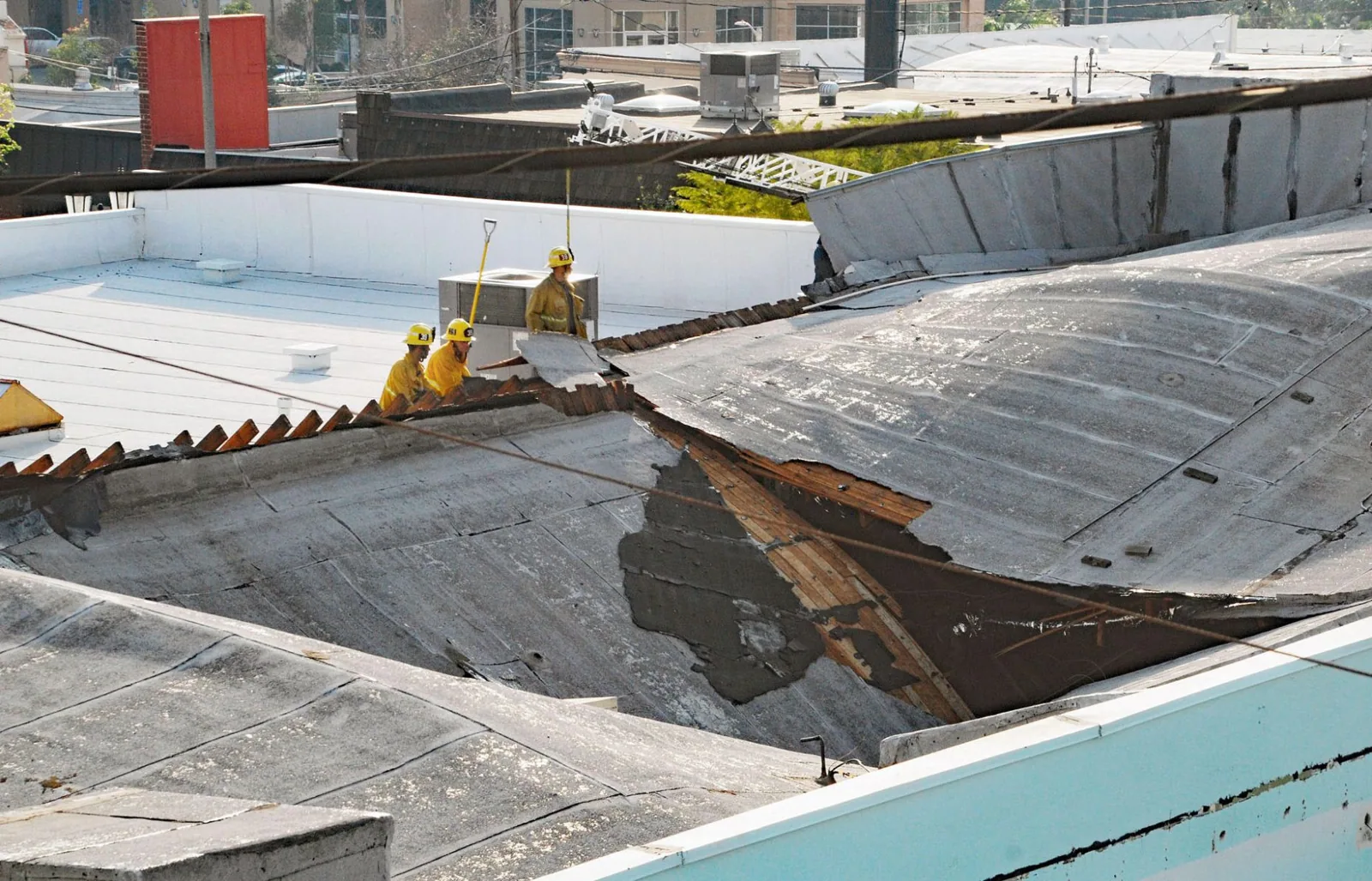
Wind Damage Roof Repair
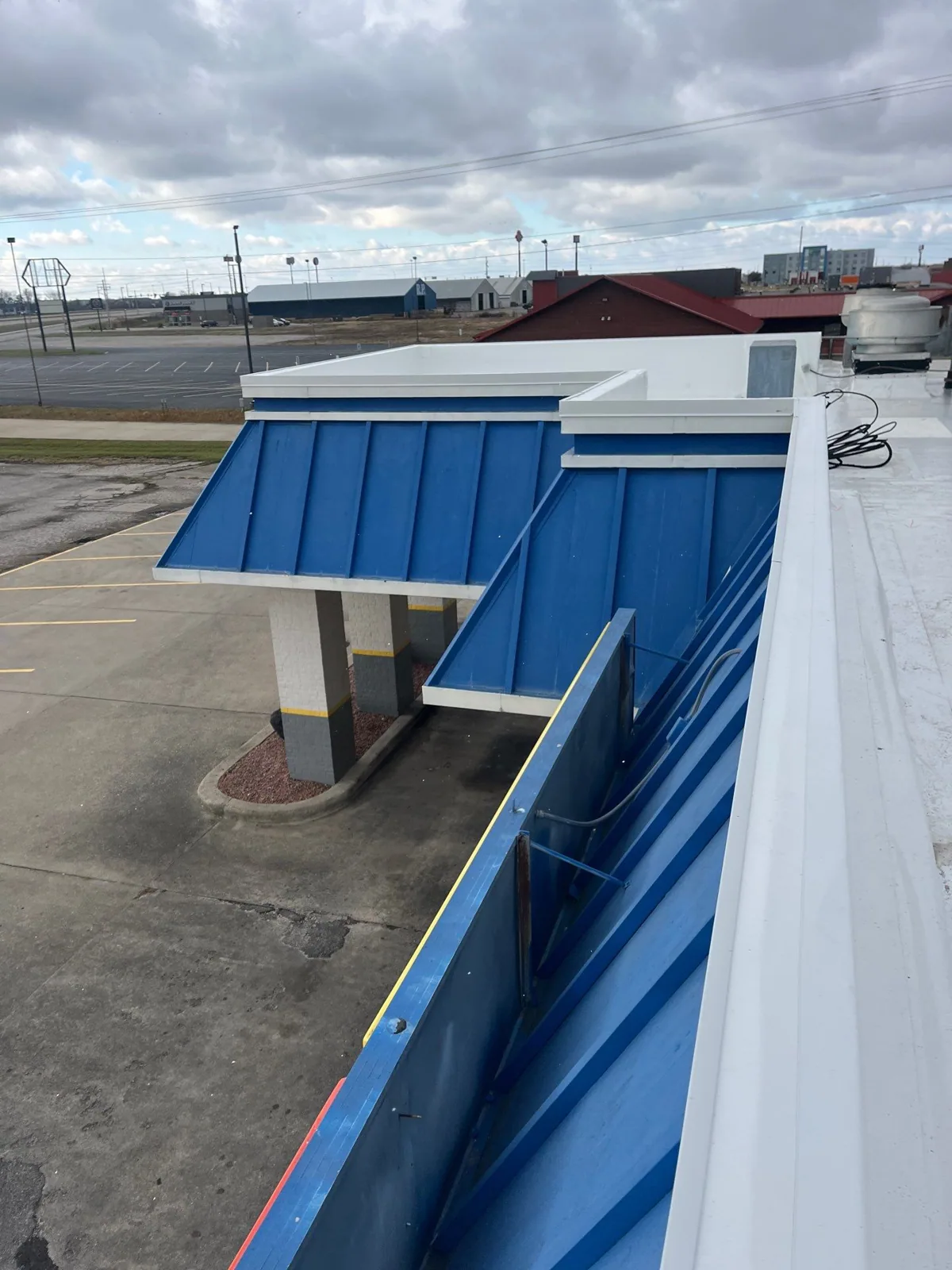
Metal Roof Retrofit
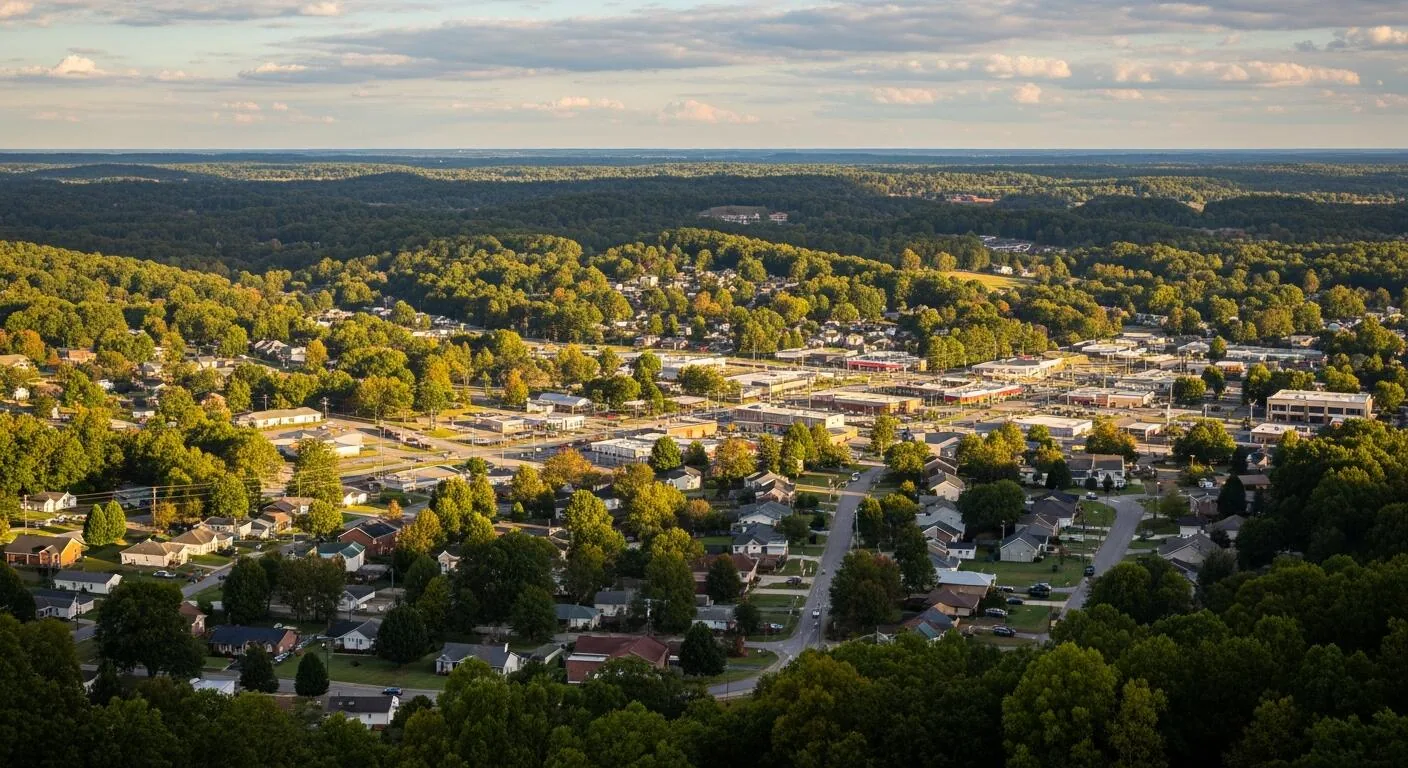
Fultondale
Emergency Leak Calls
Call for a storm walk or budget review
Call before storm season or after a wind event. The walk pins down the wind-uplift notes, the repair-or-retrofit line and the budget year each item belongs in.