
Fitness Center Roofing
Fitness Center Roofing in Hoover, AL
January is the busiest month for a gym, and it is the worst month for a roof shutdown. That is the timing fact a fitness manager in Hoover, AL lives with. The roof has to be sound before the new-year rush, which means the work belongs in late autumn. A gym roof also fights humidity from below and rain from above. Low-slope and metal roofs on gyms, rec centers and fitness buildings are repaired, recovered or replaced, with the repair-or-replace line put in writing ahead of the rush.
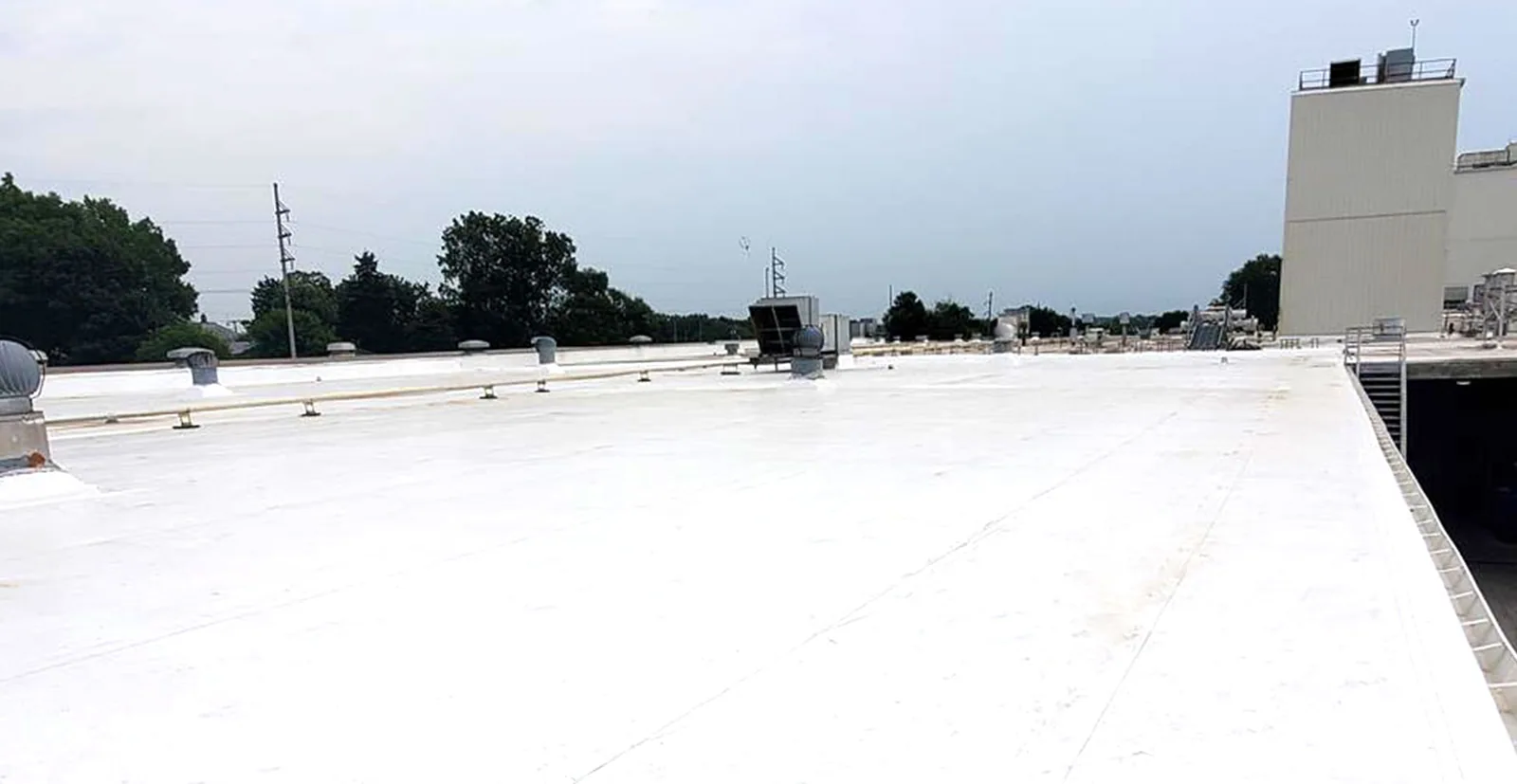
The issue: a wet building under a wet sky
A fitness building makes its own moisture. Members sweat. Showers run. Pools and saunas add steam. HVAC works all day to pull that moisture out. If the roof assembly has gaps, warm damp interior air finds them and condenses inside the insulation.
That looks like a leak. Often it is not one. Drips on the weight floor can come from condensation on a cold deck, not from the membrane. We tell the two apart. We check the roof above. We check the dew point below. Then we recommend the right fix.
The rain side is real too. The Birmingham area averages about 56.6 inches a year and about 70 percent relative humidity.
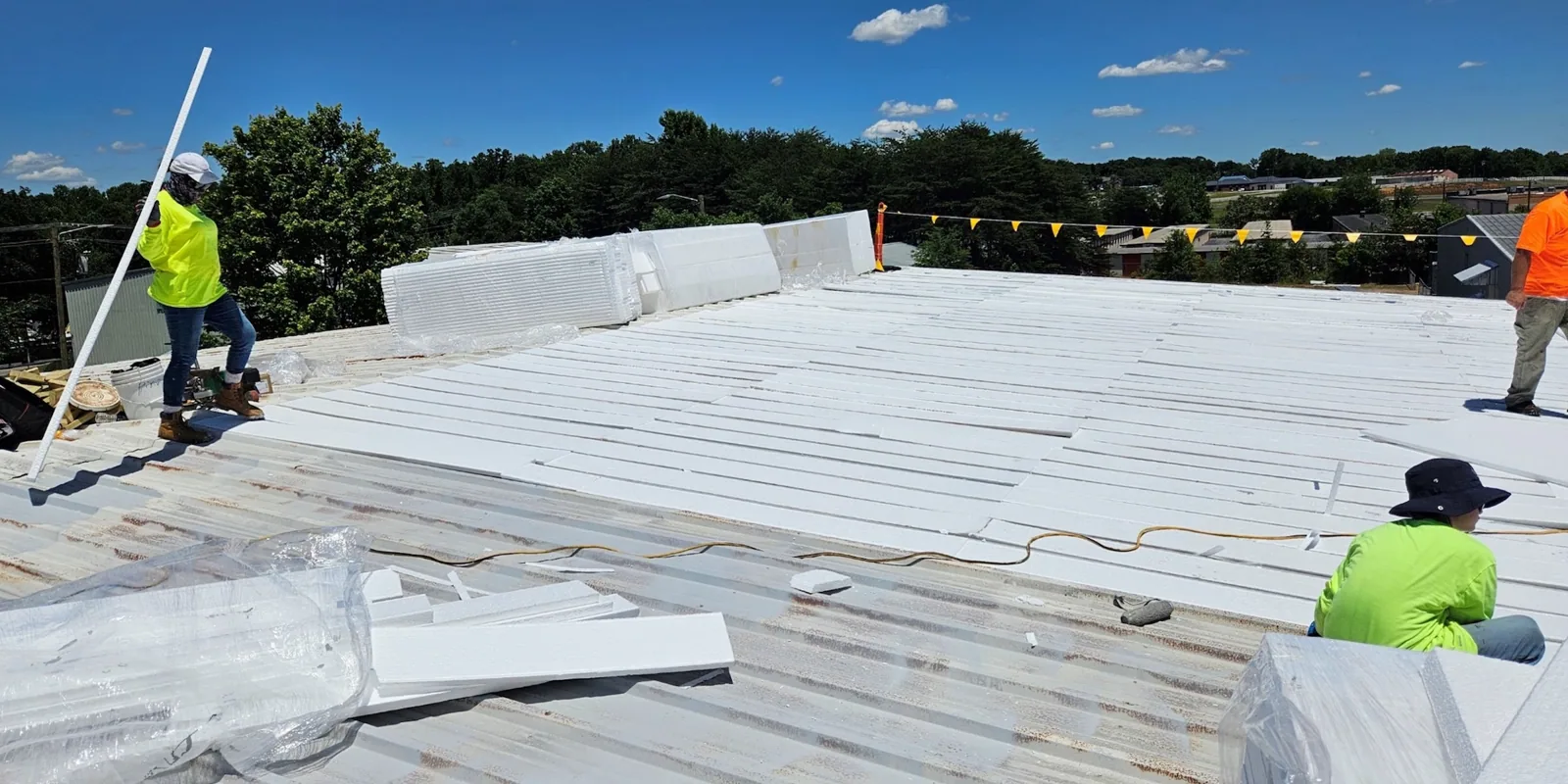
Insulation and vapor control are the quiet half of the roof. A roof insulation and cover board scope that adds a vapor retarder and sealed joints can stop condensation that no membrane repair will touch. That fix often costs less than a new roof, which is why we check the dew point before we quote anything.
What we find: units, vents and tall walls
Gyms carry large rooftop units. Some have several. Exhaust fans pull from locker rooms and pool areas. Heavy curbs sit on a roof that was sized for less. Boots crack. Sealant dries. Vibration loosens fasteners.
Tall volumes mean tall walls. A gym with a high ceiling has high parapets and tall wall-to-roof joints. Water that runs down a wall meets the roof at a flashing, and that flashing takes a beating. We check it, and we check the counterflashing above it.
Natatorium roofs, where they exist, need special care. Chlorinated air corrodes fasteners and metal. We look for rust at fasteners and trim, and for sealant that has failed. A moisture scan finds wet insulation. A core cut confirms it.
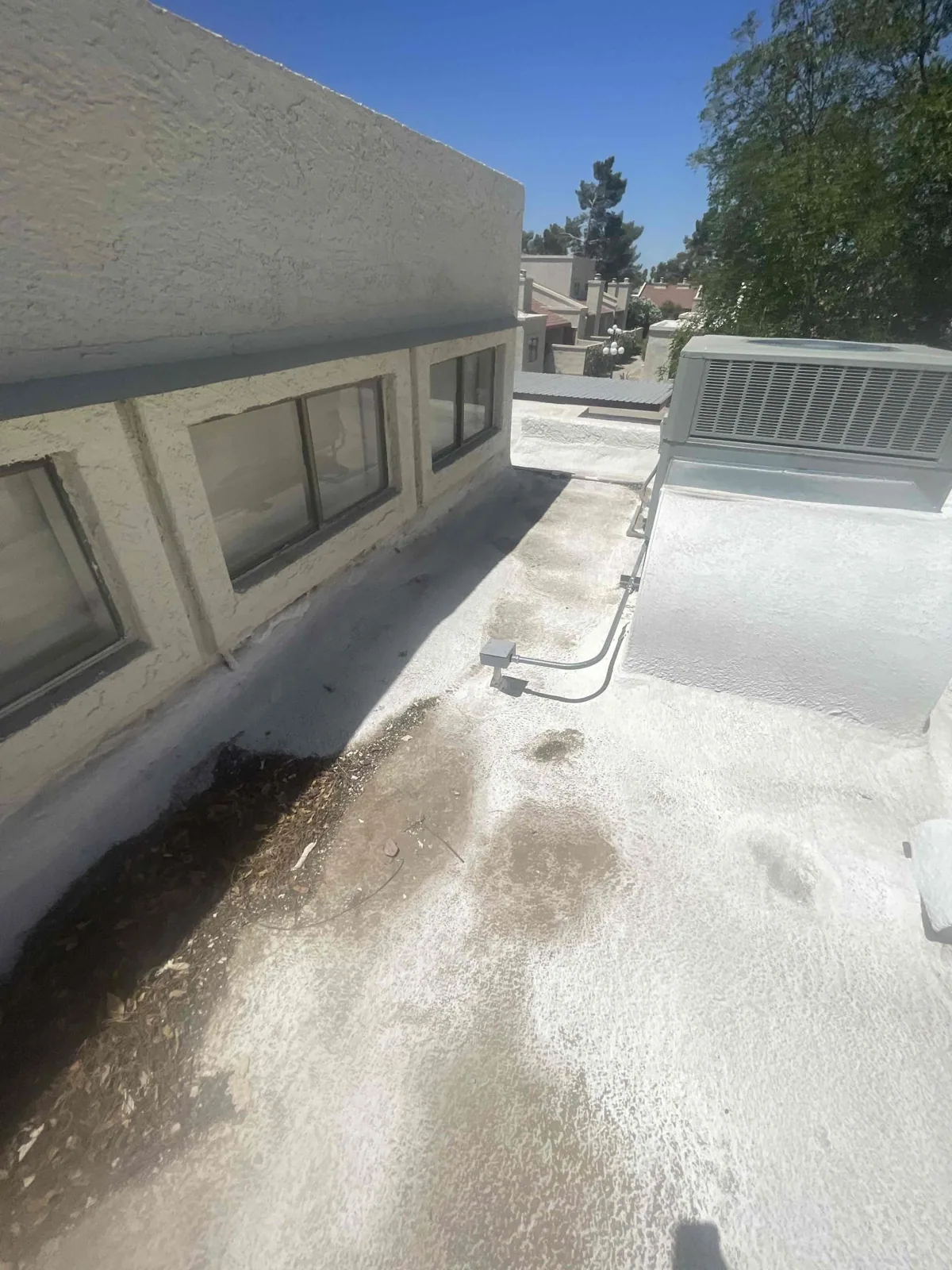
Drains and scuppers get a clearing pass. A gym's roof is wide, and a clogged outlet turns a heavy rain into a ponding line that sits for days. We mark every ponding line on the plan and recommend a tapered fix or an added drain where needed. A ponding water repair costs little beside the ceiling it protects.
Roof access matters here too. Gym roofs are reached by interior ladders, locked hatches or exterior stairs. We ask who holds the key and where the safe route runs. That detail goes on the plan.
Storm season: big roofs catch big weather
Tornadoes in 1977 and 1998 (F5) and on April 27, 2011 (EF4) put Birmingham in the Dixie Alley record books. March and April carry the worst of it, with November a second peak, and hail as big as softballs landed on central Alabama on April 25, 2003.
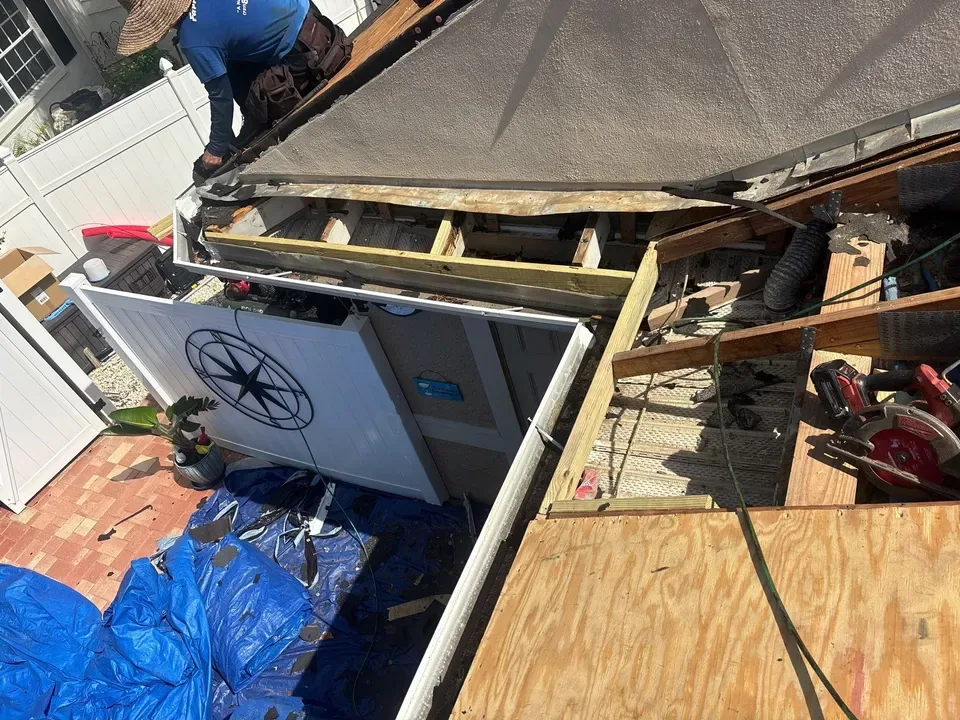
A gym roof is a big, open surface. Wind finds the edges. Hail bruises the sheet. After any storm with large stones, get on the roof within a week. Take dated photos. Storm damage repair starts with a tarp-and-dry if water is coming in. Then we write a scope the carrier can read.
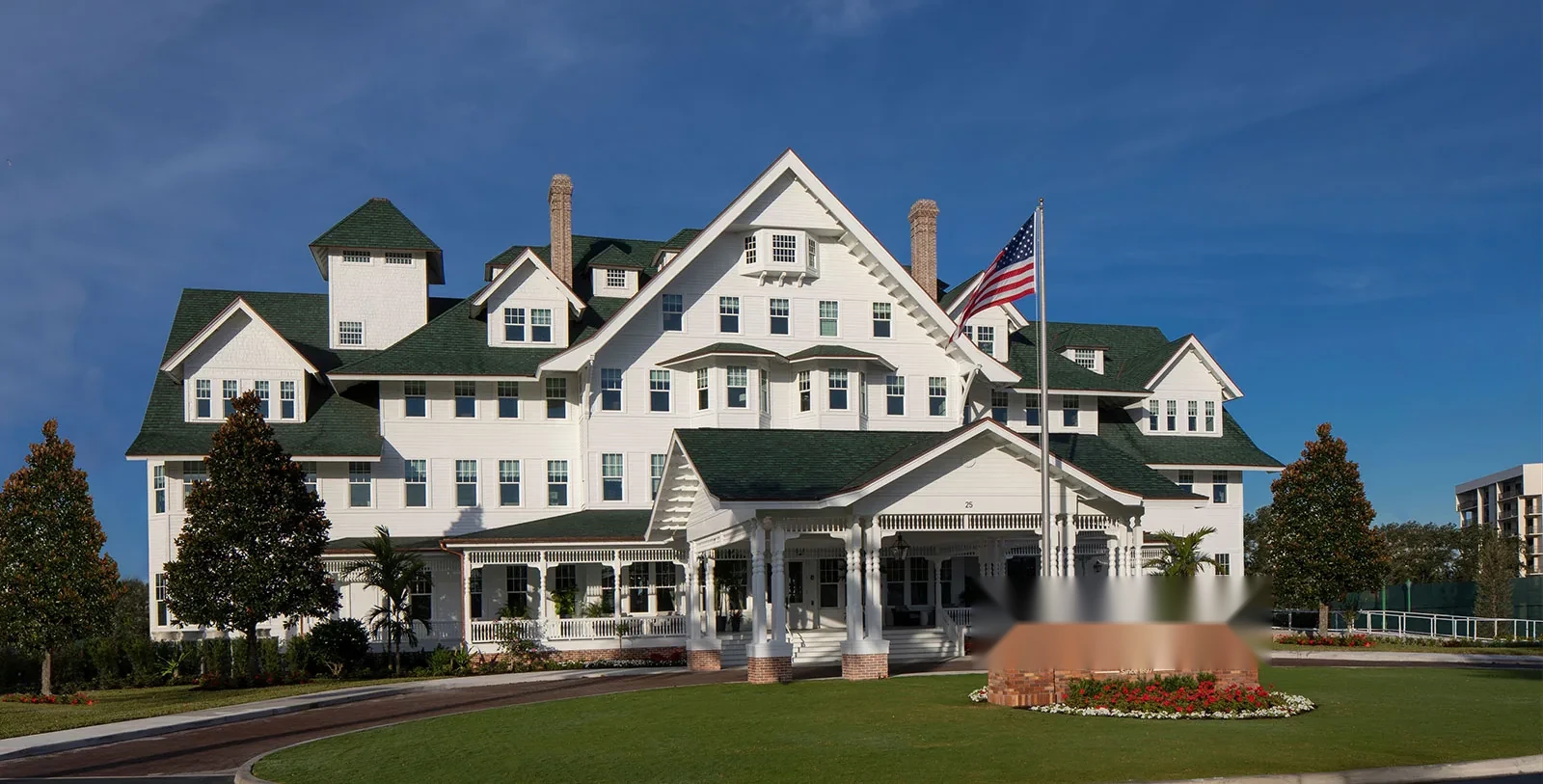
Hotels share some of this risk, since pools and showers make their own moisture, and a hotel roof plan names the wet zones room by room. In both, the roof plan should name the wet zones under each section.
Closeout finishes the job. At closeout the manager receives a punch list, a warranty walk and photos of each finished detail, a baseline for the next storm.
When to do it: avoid January, aim for autumn
Gym traffic peaks in January and again before summer. Roof work should stay out of those weeks. Late autumn is the sweet spot. The storm risk is lower. Members are steady. The weather is workable.
Work in sections. Keep entrances open. Protect the weight floor, the group studio and the pool deck below any opening. Loud tear-off waits for hours when classes are quiet. An occupied building reroofing plan lists each limit.
If a leak opens during a class, call at any hour. We stop the water, protect the floor and record the opening.
Long hot summers push crews to start early. Adhesives need cooler hours. Spring storms interrupt open sections, so we keep them small. Late autumn through early winter gives the best mix of weather and member traffic.
What it costs: roof, units and downtime
Cost follows roof area, the number of units and curbs, wet insulation, the deck and the phasing. Gyms add a downtime line. If a section of the floor closes, the manager loses class and member hours. We price the work to keep that line small.
A repair costs the least. A section replacement costs more and ends repeat calls. A full replacement costs the most. A fix to the moisture side, such as a vapor retarder or better vent flow, may cost less than a new roof and may stop the drips. We price each path and put the repair-or-replace line in writing.
ASHRAE 90.1-2013 sets the commercial energy standard in Alabama. A new roof can require more insulation than the old one had; we confirm that with the building authority.
Timing drives price. After a big storm, crews and materials get tight and costs rise. A planned job booked in autumn sits in a calmer market. A repair in March costs less than the same repair in May, after another season of damp has spread through the insulation.
Weight rooms and studios sit under tall ceilings, so lift access and interior protection show up as separate lines in the estimate.
More on Fitness Center Roofing
Local: rec buildings around Hoover
The Hoover Met complex sits near I-459 Exit 10 just off SR 150, about three miles from the Riverchase Galleria. It includes the Finley Center indoor multi-sport facility, outdoor fields and a 16-court tennis complex. Patton Creek, a shopping area, is on SR 150 too.
Recreation and retail share this one road, so the Highway 150 corridor puts a wide mix of large-volume buildings under the same weather. A school gym roof follows a similar large-volume, public-use plan.
Commercial Roofing Questions
How do you tell condensation from a roof leak in a gym?
We check the roof above and the dew point below. Drips with no rain, drips on humid days and drips from a cold deck point to condensation. A moisture scan and a core cut confirm which one it is, and the fix differs.
When should a gym reroof?
Late autumn. Storm risk is lower, the weather is workable and the building is ready before the January rush. We avoid the weeks around new-year sign-ups.
Can a gym stay open during roof work?
Usually yes. We work in sections, protect the floor below any opening and keep loud tasks to quiet hours. The scope version states which zones close and for how long.
What do chlorinated pool areas do to a roof?
They corrode fasteners, trim and metal over time. We look for rust and failed sealant and recommend corrosion-resistant parts when we replace them.
Who responds if the roof leaks during a class?
The line is answered overnight and on weekends. We stop the water, protect the floor and log the opening.
Related Roofing Work
Roof Insulation and Cover Board
Ponding Water Roof Repair
Storm Damage Roof Repair
Hotel Roofing
Emergency Leak Calls
Call for a storm walk or budget review
Call in the fall, before the new-year rush, or after a storm. The visit pins down which fix comes first, what it costs and which budget year it belongs in.