
Solar-Ready Roofing
Solar-Ready Roofing in Hoover, AL
A roof that wears out before the array does costs you twice. Panels come off. The roof is redone. The panels go back. Each step adds crane time and electrician time. In Hoover, AL we prepare roofs for solar and work around existing arrays. The rule is simple: fix the roof first, then mount the array on a surface that will outlast it.
We are the roofer, not the solar installer. Your solar contractor designs the array. We make sure the roof under it is dry, sound and detailed so the mounts do not leak.
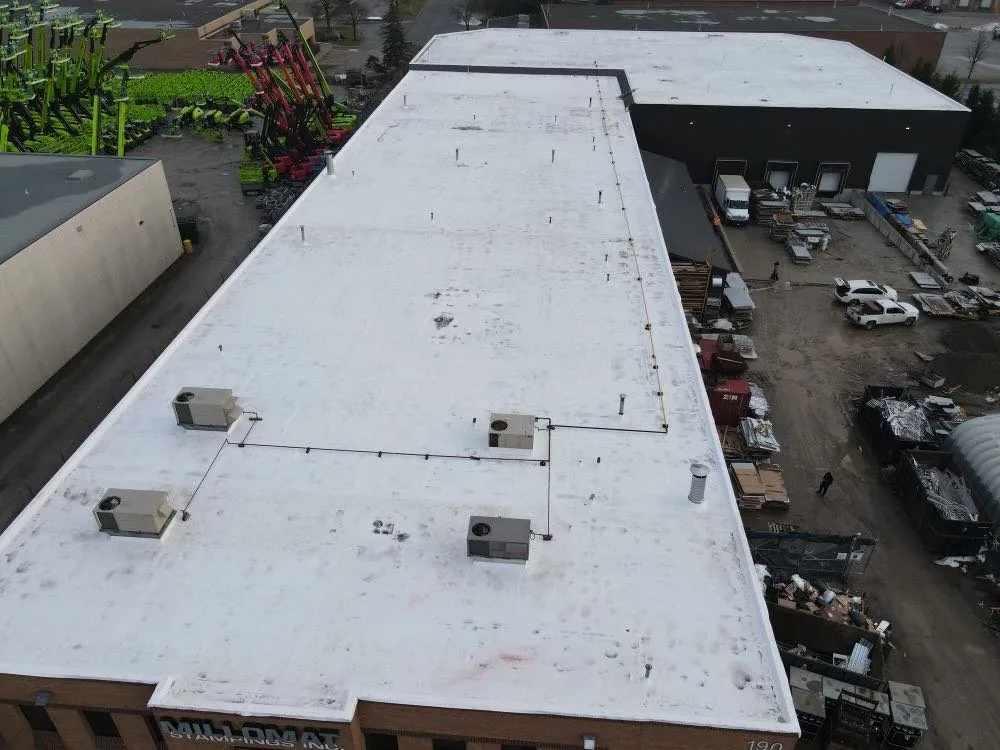
The issue: roof age against array life
An array is built to work for many years. A roof under it is the weak link if it is already tired. Check the roof's age and condition before any design work. Look at seams, flashing, insulation moisture and drainage.
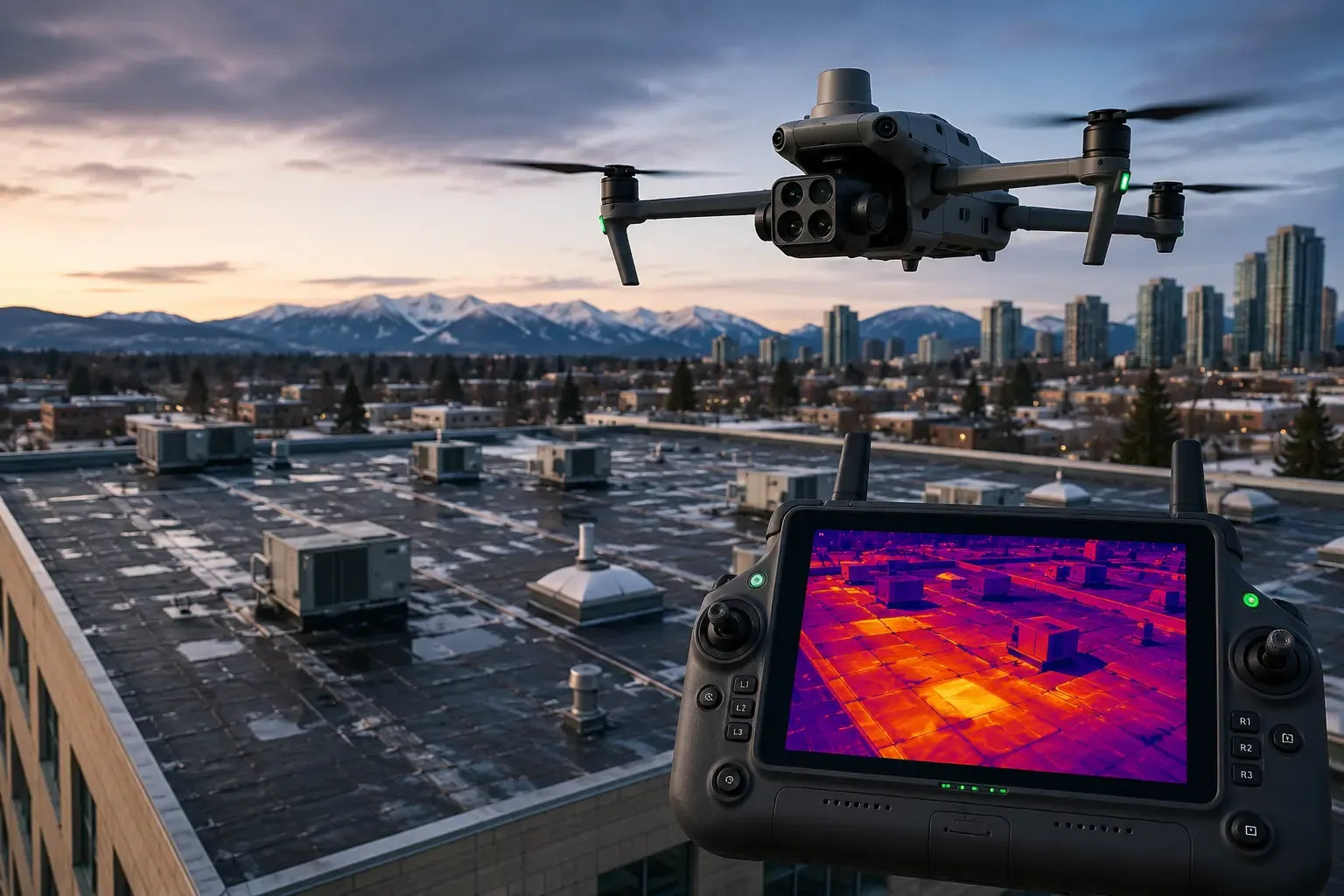
A moisture scan comes first on older roofs. Wet insulation under an array is a double problem: it is hard to find and costly to fix. An infrared moisture survey shows where the board is wet. Then we sort the roof into three groups: sound enough to carry the array, repairable first or due for replacement before any panels go on.
Roofs in Riverchase and along the Highway 31 corridor follow the same sequence. Check first, repair second, mount third. Heat and humidity also wear on membranes under an array, since shaded and unshaded strips age at different rates. We note that on the plan so later visits know where to look.
What it costs: three paths and their price drivers
Path one: the roof is sound. Cost is mounting detail, walk pads and a few repairs. Path two: the roof needs a recover or a coating first. Cost rises, but the array sits on a new surface. Path three: full replacement. Cost is highest, and the timing is cleanest, since nothing is on the roof to move.
Price drivers are plain. Roof area. Membrane type. Mounting style. Whether panels must come off and go back. Access for a crane. We do not quote solar prices. We give you the roof side in writing, with each path priced, so your solar contractor can add theirs and you see the full picture before you sign.
The array also changes future roof work. Racks and wiring must be moved for a repair beneath them. That adds a line to every later service call. A roof with fewer penetrations and clear service lanes costs less to keep up over the years, and we price those lanes into the layout.
Mounts: ballasted, attached or standing seam clamps
Ballasted racks sit on the roof under weight and avoid penetrations. They add load, so the structure must carry it. Attached racks go through the membrane to the deck. Each attachment is a penetration that needs a proper flashing. On a standing seam metal roof, clamps grip the seams and need no holes.
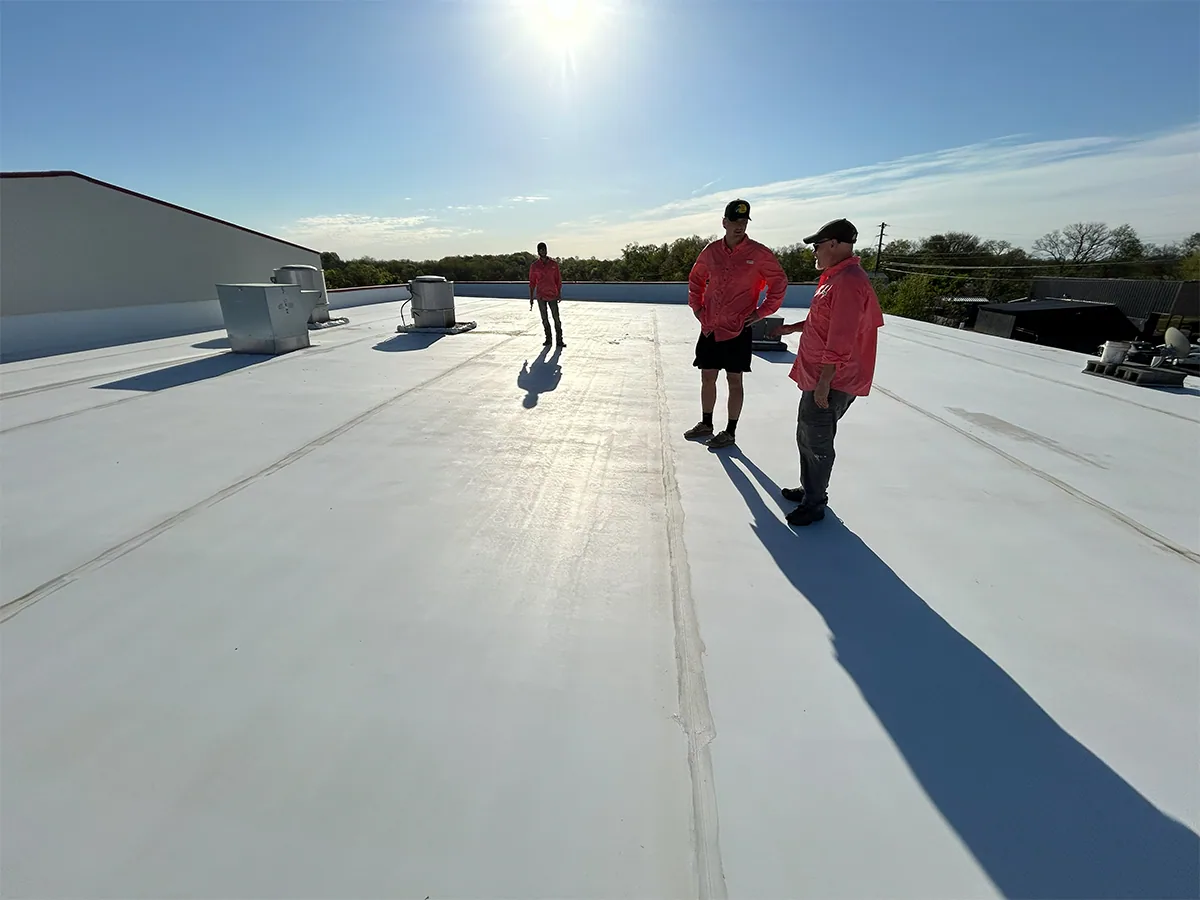
Each system has a roofing side. Ballast needs protection pads under every foot. Attachments need curbs or boots that match the membrane, such as TPO. Clamps need compatible seams and finishes on a standing seam metal roof. We review the mounting plan and mark each point on the roof plan.
Wire runs are the quiet leak source. Conduit crossing the roof needs supports that lift it off the sheet and flashing where it enters the building. A bare conduit lying on a membrane in the heat wears through in a few seasons. We mark every run and set supports on pads.
Storm season: wind, hail and what arrays face
Birmingham's metro lies in Dixie Alley. Severe weather peaks in spring and again in November and early December. The tornado list starts with the F5 storms of 1977 and 1998 and runs to the EF4 of April 27, 2011. Central Alabama saw softball-size hail on April 25, 2003, and arrays and roofs both take that exposure.
Wind lifts arrays and the roof under them. Edge zones take the most load, so layouts keep clear of corners and perimeters. After a storm we check the mounts, the flashing and the sheet around them. Our hail damage repair and storm damage repair crews work with your solar contractor on any reset.
When to do it: the order of work
Order matters more than season. First the condition check. Then repairs or replacement. Then the mounting details. Then the array. Last, a walk to confirm the flashing and the pads. Skip a step and the array becomes a cost when the roof needs work.
Spring storm season is the practical deadline for roof work. Finish the roof in late winter, and the array can go up in a dry stretch. Where panels already sit on the roof, we plan a detach-and-reset with your solar contractor. That is a crane day, an electrician day and a roofing day, booked together.
Keep a roof file during the install. Photograph each mount before the rack goes on and after. Those pictures prove what was done if a leak shows up later, and they settle any question over who flashed what.
More on Solar-Ready Roofing
Recommendation: plan the roof like a capital item
Put the roof on the same schedule as the array. If the roof has less life than the array, replace it first. If it has about as much, consider a new surface under the panels. A cooler surface from cool roof installation also helps the units below.
Keep the warranty records together. Roof and solar warranties can interact, so warranty management tracks the notice dates for both. For buildings with several roofs, roof capital planning puts them on one calendar.
Commercial Roofing Questions
How old can a roof be before I put solar on it?
Age alone does not decide it. Condition does. A younger roof with wet insulation is a poor host. An older roof that scans dry and sound may carry an array for years with repairs. We test, then give you a written answer that states how much remaining life the roof has against the array's design life.
Does the roofer or the solar company handle the mounting flashing?
Our practice is to flash every penetration to match the membrane. That keeps the roof warranty intact and puts one party on the hook for the seal. Your solar contractor sets the rack and the mount. We coordinate the order so the flashing goes in before the racks are tightened.
Can you work around panels that are already on my roof?
Yes. For repairs near the array we work around the rows. For larger work, panels are detached and reset by the solar contractor while we do the roof. We agree the schedule among all parties first. Panel removal can add crane and electrician cost, which is why the roof should be in good shape before the array goes on.
What about hail and arrays on a flat roof?
Hail can damage panels and the membrane around them. After a hard storm we inspect the sheet, the flashing and the mounts. We document damage with photographs and dates, which help with any claim. A roof with a cover board or a tougher membrane resists impact better, and we can price that option.
Should the roof be coated before the panels go on?
Sometimes. On a dry, sound membrane near the end of its life, a coating can extend service to match the array. It must cure and be fully bonded before racks and pads touch it. On a wet or failing roof a coating is the wrong move. The moisture scan and the adhesion test decide it, and we show you the readings.
Related Roofing Work
Infrared Moisture Survey
Riverchase
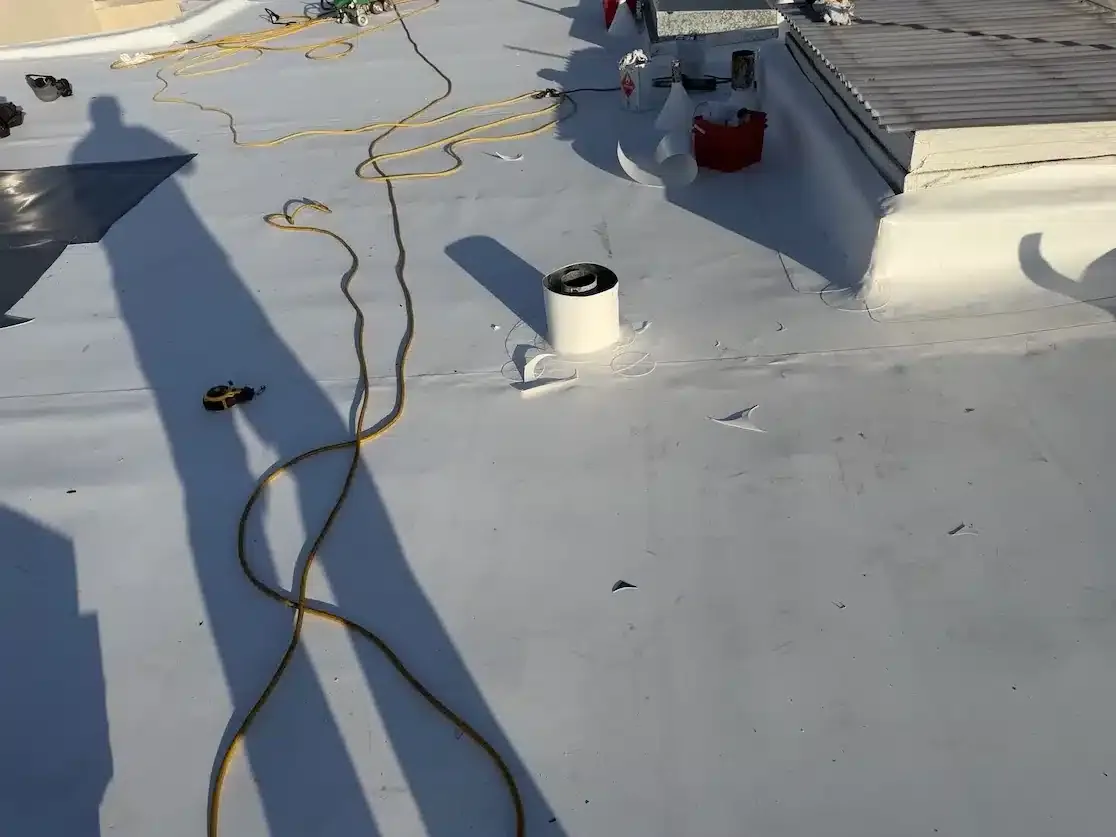
TPO Roofing
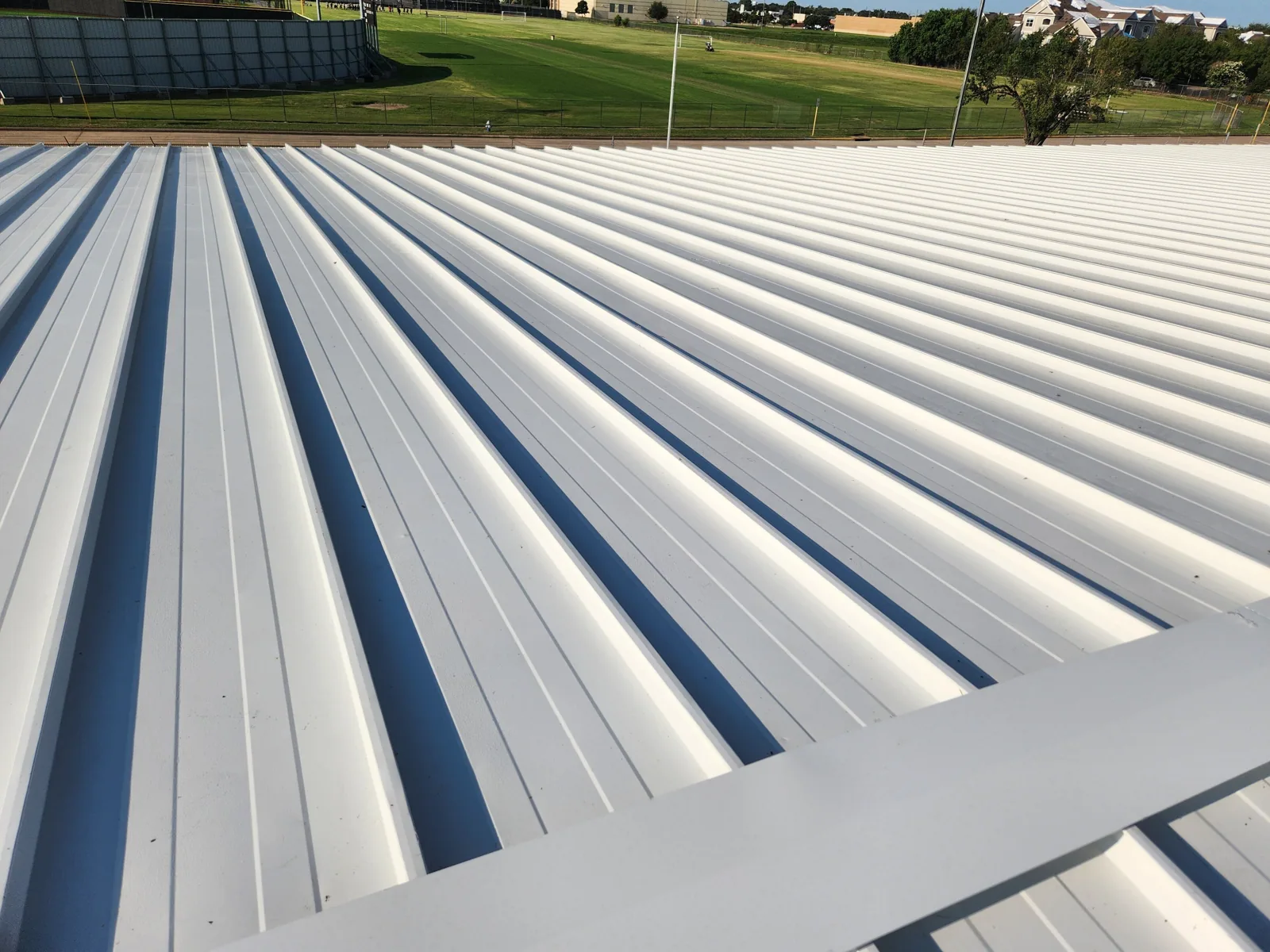
Standing Seam Metal Roofing
Emergency Leak Calls
Call for a roof check before the array design
We will walk the roof, scan for wet insulation and give you three priced paths. The visit pins down whether the roof is ready for solar this year or needs work first.