
Military Installation Roofing
Military Installation Roofing in Hoover, AL
A gate delay costs a crew day. On a base, the roof schedule starts at the front gate. Badging, escorts and background checks come before a single fastener. In Birmingham, about 11 miles north-northeast of Hoover, AL, Sumpter Smith Air National Guard Base hosts the 117th Air Refueling Wing. Roofing on an installation like that follows its own rules, and the rules drive cost and timing. Here is how roofing work on an installation runs in general, so an owner or a contracting officer knows what to plan for.
The cost and the calendar both depend on a short list of items that the base controls: who enters, what they carry, when they work and what the roof must meet. Each one gets a line in the bid.
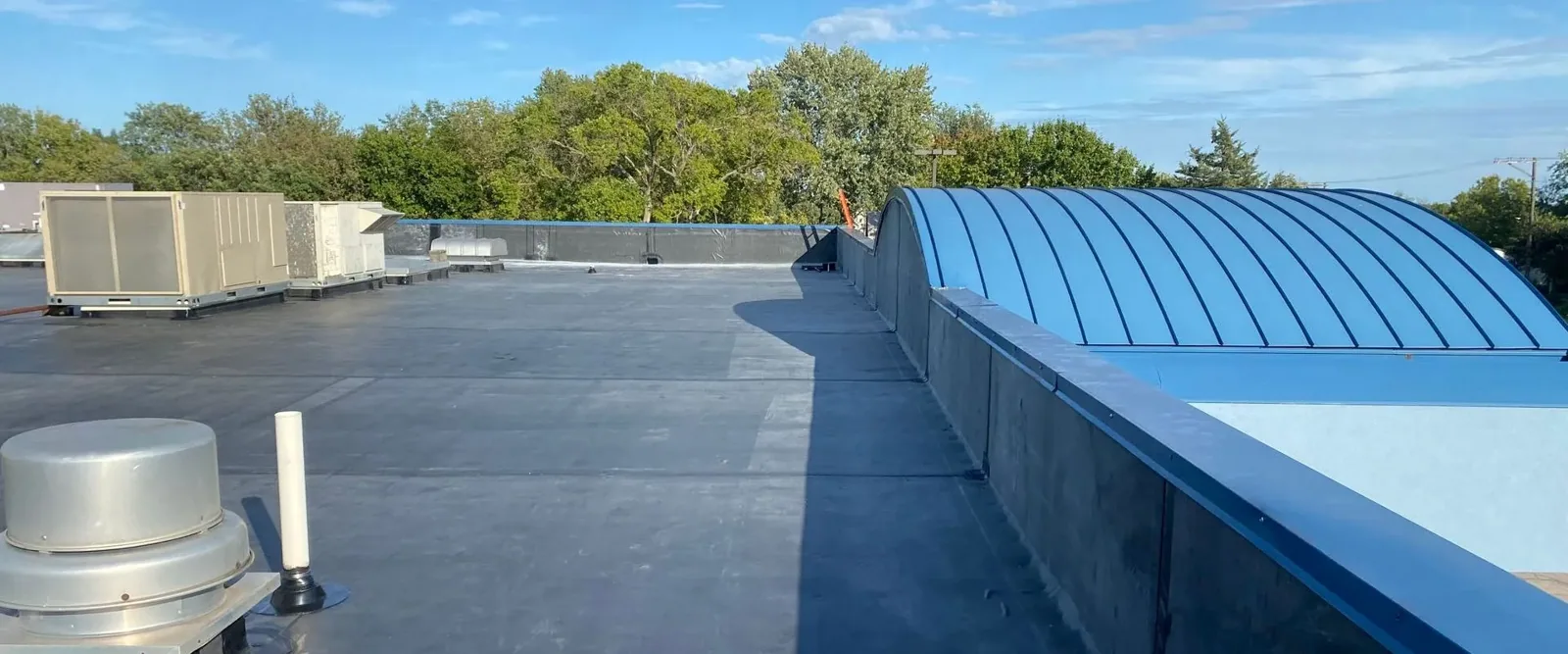
The issue: access comes first
Every base controls who enters, when and with what. Crews need identification, vehicle passes and an escort or a sponsor. Tools and materials get inspected at the gate. Photography is limited. Phones may be restricted in some areas. Plan extra time at the start and end of every shift.
Escorts add labor hours on the project and limit where crews can go. A roof near a flightline or a secure area may require an escort for every trip. We map the roof access route on day one and ask the base for the rules in writing. Then we price the delay and the escort time as separate lines, so the number reflects the real day.
Vehicles matter, too. Some bases limit the size of trucks, cranes and trailers, or require inspection at a separate gate for deliveries. A single-ply order that needs a flatbed may arrive on a smaller truck three times. We ask for the rules early and plan the load sizes to match them.
What it costs: the base premium
Base work costs more than the same roof off base. Gate time cuts the working day. Escorts add labor. Lay-down space may be small or far from the building. Material deliveries follow a schedule and inspection. Each factor adds hours.
Compliance adds cost too. Submittals are often stricter. Safety plans, fire watch and hot-work permits follow base rules. We build these into the bid. We also tell you what we cannot price until the base confirms its rules, such as lay-down, parking and work hours. A bid that hides those is a bid that grows later.
We price the work in two parts: the roof work and the base overhead. That split lets a contracting officer compare bids fairly and see which lines depend on base decisions. If gate rules change during the job, the overhead line moves and the roof line does not.
UFC roofing criteria: what changes in the spec
Many installations build roofs to the Unified Facilities Criteria for roofing. The criteria set expectations for system types, wind resistance, drainage, insulation, flashing details and quality control. They are detailed and they matter. A roof that is fine for a strip center may not meet them.
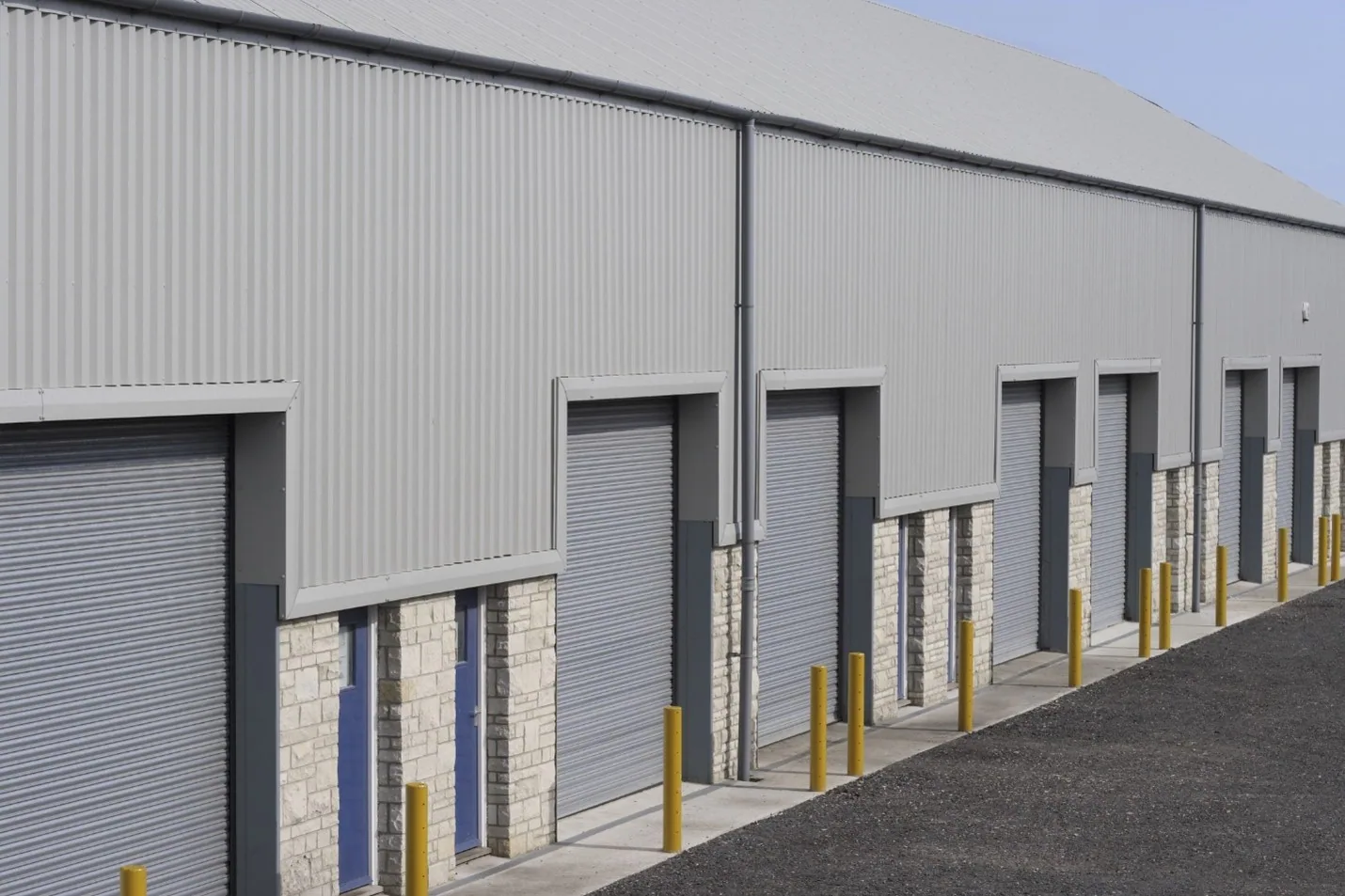
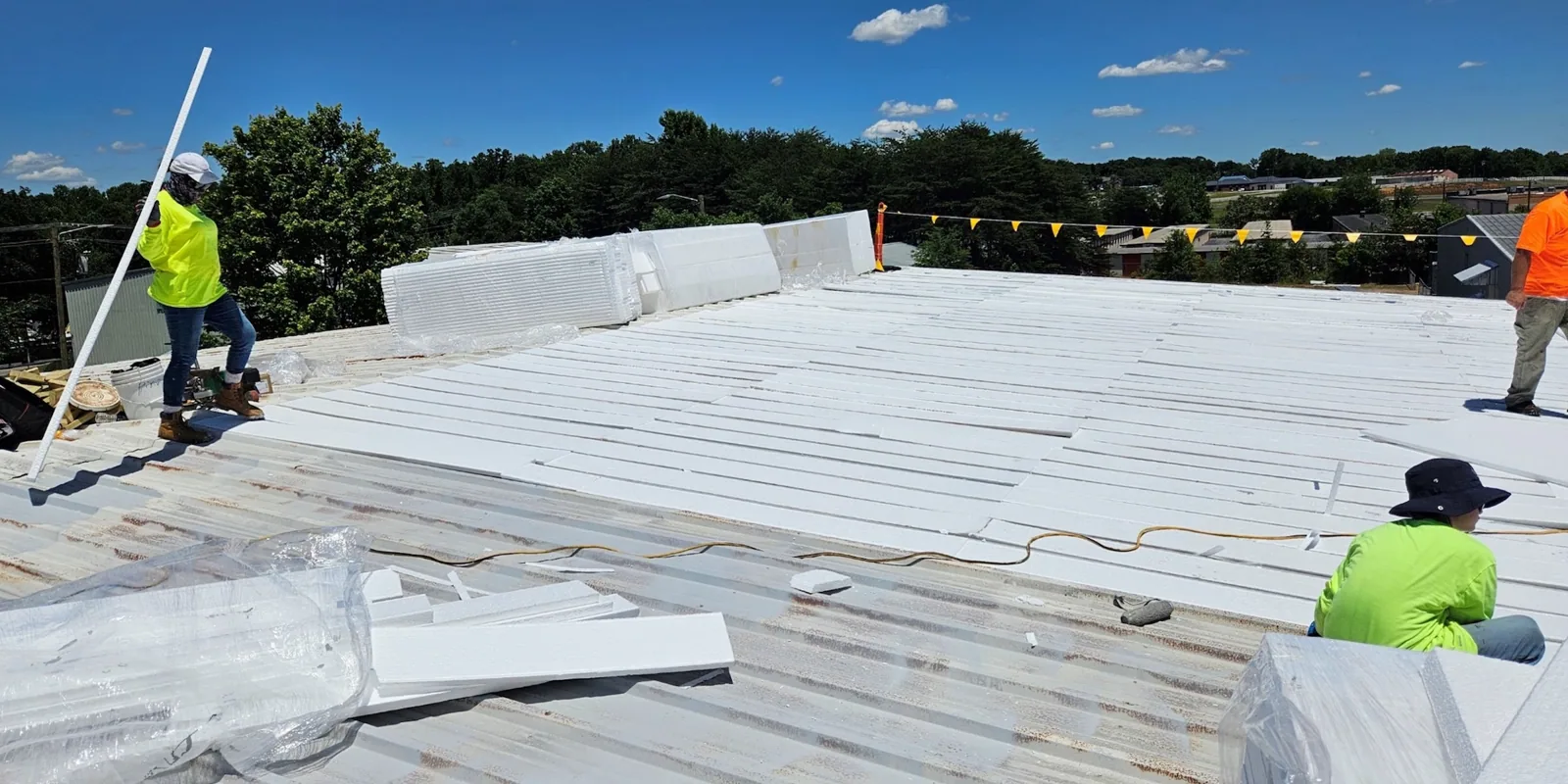
We read the criteria that apply and map each requirement to a roofing detail. Edge metal, attachment patterns and drainage get special attention. We do not say a system is approved or listed unless the project documents say so. When we are unsure, we ask the design team. A written answer before work starts beats a rework later. The criteria bite hardest at edge metal and coping and in the insulation and cover board assembly.
Mission schedules: when the roof can be worked
The 117th flies the KC-135R Stratotanker, a tanker aircraft. Four groups make up the wing: operations, maintenance, mission support and medical, and aircrews train there for refueling and airlift. When the Governor of Alabama directs it, the wing also supports state contingencies. A unit like that works on a schedule that roofing must respect.
Drill weekends, exercises and deployments can close areas without notice. Hangars and maintenance buildings may need to stay open and dry. A leak over aircraft or equipment is a mission issue. We plan around the base calendar, split work into small sections and keep tarps ready. A military hangar or maintenance facility roof gets the same treatment, with extra care for any bay that must stay dry.
Quiet periods matter on bases with medical, training or aircraft operations. Noise, dust and fumes near those areas can be limited by the base. We mark them on the plan and keep adhesive work and loud tear-off clear of them, which sometimes means working at the edges of the day.
Storm season: the weather side of the schedule
Birmingham sits in Dixie Alley, and a base there plans around it. Thunderstorm season peaks in spring and returns in November and early December. Softball-size hail reached central Alabama on April 25, 2003. Any open roof on a base needs a closing plan.
Base rules can slow an emergency response. A crew that needs a pass to enter cannot arrive in an hour. We ask for an emergency access plan before work starts. We also schedule the heavy tear-off outside peak storm weeks when the project allows. For a National Guard armory roof or a similar building, the same planning applies.
More on Military Installation Roofing
Recommendation: what to settle before bidding
Settle five items in writing. Gate and escort rules. Work hours and blackout dates. Lay-down and parking. The roofing criteria that apply. The emergency access path. With those answers a bid is firm. Without them it is a guess.
Walk the roof with the base civil engineer or the contracting officer when the rules allow. Mark the access route, the mission-sensitive zones and the weather rules. Then compare options. A commercial roof replacement and a coating carry different gate time, so the plan decides the better fit.
Close the loop at the end of the job. Walk the finished roof with the base representative, hand over photographs of each flashing, attachment detail and drain, and file the warranty paperwork. A clean handover makes the next repair easier and keeps questions short.
Commercial Roofing Questions
Can a roofing contractor start work on a base right after award?
Not usually. Badging, vehicle passes and background checks can take days or weeks, and the base may need to approve safety and quality plans first. We start paperwork as soon as the award is in hand and plan material orders to arrive when the crew can be on site.The base's own lead time sets the start date.
What does an escort do on a roof job?
An escort accompanies crews in controlled areas and makes sure they stay within the approved zone. It adds a person to the day and can limit how many crews work at once. We count escort hours in the schedule and keep crew groups together so one escort can cover them.
Do UFC criteria change the roof system I can use?
They can. The criteria set expectations for wind resistance, drainage, insulation and detailing. Some systems meet them with specific details, others need changes. We review the project documents and the criteria together and list each requirement we must meet. If a question remains, we put it to the design team before pricing.
How do mission schedules affect tarp and dry-in plans?
They shape them. If a building holds aircraft or equipment, a leak is a mission event. We close sections the same day, keep temporary protection on site and agree on who we call if weather turns. The base calendar also sets quiet periods when work may be restricted, which we mark on the schedule.
Related Roofing Work

Downtown Birmingham
Edge Metal, Coping and Gutters
Roof Insulation and Cover Board
Military Hangar and Maintenance Facility Roofing
Emergency Leak Calls
Call for a base roofing planning session
We will walk through the access rules, the criteria and the mission schedule with you and draft a plan with each cost line shown. The visit pins down the gate time, the escort hours and the work windows.